Free Shipping
 Extra Savings


What is a Gallery Wrapped Canvas? The Difference Between Wrap Styles
Listen to Content
The moment you hang a canvas print on your wall, one detail determines whether it looks professionally finished or slightly unpolished: the wrap style. Understanding what a gallery-wrapped canvas is and the differences between wrap styles transforms how you approach wall art purchases. A gallery-wrapped canvas features artwork stretched over a wooden frame, with the canvas material folded around the sides and secured at the back. This construction eliminates the need for a traditional frame, creating a clean, contemporary appearance that floats off the wall. The wrap style you choose affects everything from how much of your image remains visible to whether the piece suits your room's aesthetic. Whether you're printing family portraits, landscape photography, or abstract art, knowing these distinctions helps you select prints that enhance your space rather than clash with it. The construction method, edge treatment, and frame depth all work together to create the final presentation.
Defining Gallery-Wrapped Canvas and Its Construction
Gallery-wrapped canvas has become the standard for modern wall art because it combines durability with visual appeal. The construction involves several key components working together.
The Stretching Process and Wood Stretcher Bars
The stretching process begins with quality canvas material, typically cotton or polyester blend, printed with archival inks. Technicians then pull this canvas taut over a wooden stretcher bar frame, ensuring even tension across the entire surface. The stretcher bars form a rectangular frame, usually made from kiln-dried pine or similar wood that resists warping. Proper tension prevents sagging over time and maintains the flat printing surface that makes images appear crisp and professional.
Staple Placement: Back-Stapled vs. Side-Stapled
Where the staples go matters more than most people realize. Back-stapled canvases have all fasteners on the rear of the frame, leaving the sides completely smooth and uninterrupted. This method creates the cleanest look and is preferred for gallery wrapped pieces. Side-stapled canvases show visible staples along the frame edges, which typically require a frame to conceal them. Most quality canvas prints from providers like CanvasChamp use back-stapling for that polished finish.
The Finished Aesthetic: Frameless Presentation
The beauty of gallery wrapped construction lies in its self-contained presentation. The canvas edges become part of the artwork itself, wrapping around to create a three-dimensional effect. When hung, these pieces appear to float off the wall, casting subtle shadows that add depth to any room. This frameless approach suits modern and minimalist interiors particularly well, though it works across design styles.
Core Gallery Wrap Styles for Art and Photography
Once you understand the basic construction, the next decision concerns how the image extends to the edges of the canvas. Three primary styles dominate the market.
Image Wrap: Continuing the Artwork Around the Edges
Image wrap extends your photograph or artwork to the edges of the canvas. The image continues from the front face onto the edges, creating an immersive effect. This style works brilliantly for landscapes, abstract art, and images with expansive backgrounds. The trade-off is that some portion of your image gets folded onto the sides, potentially cutting off important elements near the edges. Images with centered subjects and generous backgrounds handle this wrap style best.
Mirror Wrap: Reflecting the Composition for a Seamless Look
Mirror wrap takes the outer portion of your image and reflects it onto the canvas edges. The software essentially flips the edge pixels to create a mirrored border that maintains color continuity without sacrificing any of your original composition. This technique preserves the entire front-facing image while still providing visual interest on the sides. Portrait photographers often prefer this method because it keeps faces and important details intact.
Solid Color Wrap: Using Black, White, or Custom Borders
Solid color wrap surrounds your image with a uniform border color on all edges. Black and white remain popular choices, but custom colors matching elements in your photograph create sophisticated results. This style works like a built-in mat, drawing the eye toward the central image. It's ideal when you want maximum image preservation combined with a clean, defined border.
Gallery Wrap vs. Studio Wrap: Key Differences
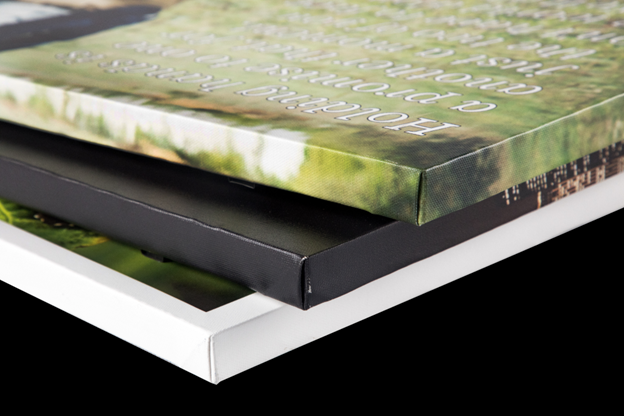
The terms get used interchangeably, but genuine differences exist between gallery and studio wrap options.
Depth and Profile Thickness Comparison
Gallery wrap canvases typically feature thicker stretcher bars, usually between 1.25 and 1.75 inches deep. This substantial depth creates a more pronounced three-dimensional effect and works well as standalone wall art. Studio wrap canvases use thinner frames, often around 0.75 to 1 inch, resulting in a slimmer profile. The reduced depth makes studio wraps lighter and less expensive, but they lack the visual impact of their thicker counterparts.
Display Intent: Wall Ready vs. Requiring a Frame
Gallery wrap pieces arrive ready to hang without additional framing. Their substantial depth and finished edges make them complete art pieces. Studio wrap canvases, with their thinner profiles, often look better inside a traditional frame. Think of studio wrap as the budget-friendly option for framed presentations, while gallery wrap serves those wanting a modern, frameless aesthetic. CanvasChamp offers both options, letting you choose based on your specific display plans.
Choosing the Right Wrap Style for Your Space
Selecting the appropriate wrap style depends on your image content and room design.
When to Use Mirror Wraps for Portraits
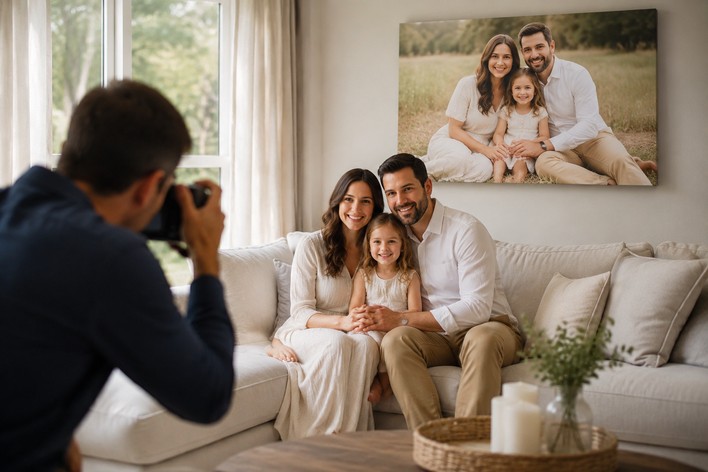
Portrait photography often benefits from mirror wrap treatment. Family photos, professional headshots, and pet portraits feature subjects you don't want partially hidden at the edges of the canvas. Mirror wrap keeps every face and figure fully visible on the front surface. The reflected edges maintain color harmony without sacrificing any of your precious memories. For wedding photos, graduation pictures, or newborn portraits, a mirror wrap is generally a great choice, though some photographers may prefer solid-color wraps for a more formal look.
The Impact of Canvas Depth on Modern Decor
Thicker canvas profiles make stronger statements in contemporary spaces. A 1.25- to 1.75-inch gallery wrap creates shadows and dimension that complement minimalist rooms with clean lines. Conversely, traditional or eclectic spaces might benefit from thinner profiles paired with ornate frames. Consider your wall color too: deep canvas profiles pop against light walls, while the effect diminishes on darker surfaces. Room size matters as well, with larger spaces handling substantial canvas depths better than cramped quarters.
Maintenance and Care for Wrapped Canvas Prints
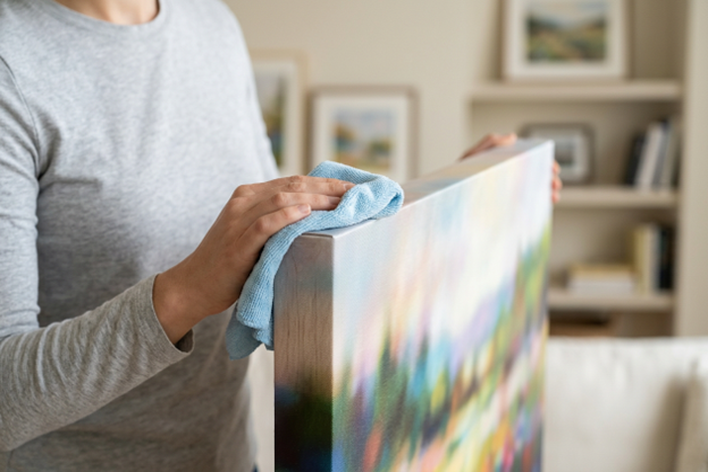
Quality canvas prints last for decades with minimal maintenance. Dust regularly using a soft, dry microfiber cloth, wiping gently across the surface. Avoid hanging canvas in direct sunlight, which fades colors over time, even with UV-resistant inks. Keep prints away from high-humidity areas like bathrooms, as moisture can warp stretcher bars and affect canvas tension. If fingerprints appear, use a slightly damp cloth with distilled water to remove them without damaging the print surface.
Frequently Asked Questions
Can I add a frame to a gallery wrapped canvas later?
Yes, floater frames are specifically designed to accommodate gallery-wrapped canvases. These frames surround the canvas with a small gap, enhancing the floating effect while adding a decorative border.
Which wrap style hides imperfections best?
Solid-color wraps conceal edge issues most effectively. If your image has distracting elements near the borders, a black or white wrap provides clean separation.
How do I know if my image works for image wrap?
Check that important subjects sit at least 1.5 to 2 inches from all edges. Images with expansive backgrounds, such as landscapes or cityscapes, handle image wrapping beautifully.
Does canvas depth affect hanging hardware?
Thicker canvases require sturdier mounting hardware. Most gallery wrap canvases include appropriate hangers, but verify that wall anchors can support the added weight.
Are certain wrap styles better for specific rooms?
Living rooms and offices suit an image wrap with its immersive quality. Bedrooms often benefit from softer mirror wrap treatments. Solid color wraps work universally.
Making Your Wrap Style Decision
Understanding gallery-wrapped canvas construction and wrap-style differences empowers you to order prints that truly enhance your space. Consider your image content, room design, and personal aesthetic when choosing among image, mirror, and solid-color options. For premium canvas prints with exceptional quality and competitive pricing, explore CanvasChamp's extensive collection. Their customization options let you experiment with different wrap styles before committing, ensuring your finished piece perfectly matches your vision.