Free Shipping
 Extra Savings


How to Style and Display Canvas Prints
Listen to Content
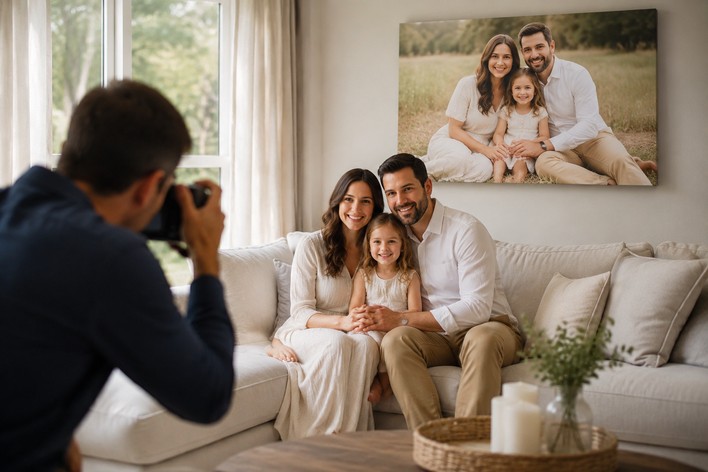
A canvas prints can transform a room from ordinary to extraordinary, but only when it's displayed thoughtfully. The difference between artwork that commands attention and pieces that fade into the background comes down to strategic decisions about size, placement, and styling. Whether you've just ordered your first custom canvas from CanvasChamp or you're looking to refresh an existing collection, understanding how to style and display canvas prints properly makes all the difference. The right approach considers your wall dimensions, room lighting, existing decor, and the emotional impact you want to create. Poor placement wastes beautiful artwork, while smart positioning elevates even simple prints into focal points. This guide walks through everything from choosing dimensions to maintenance, giving you practical strategies that interior designers actually use.
Choosing the Right Canvas Size and Orientation
Matching Canvas Scale to Wall Dimensions
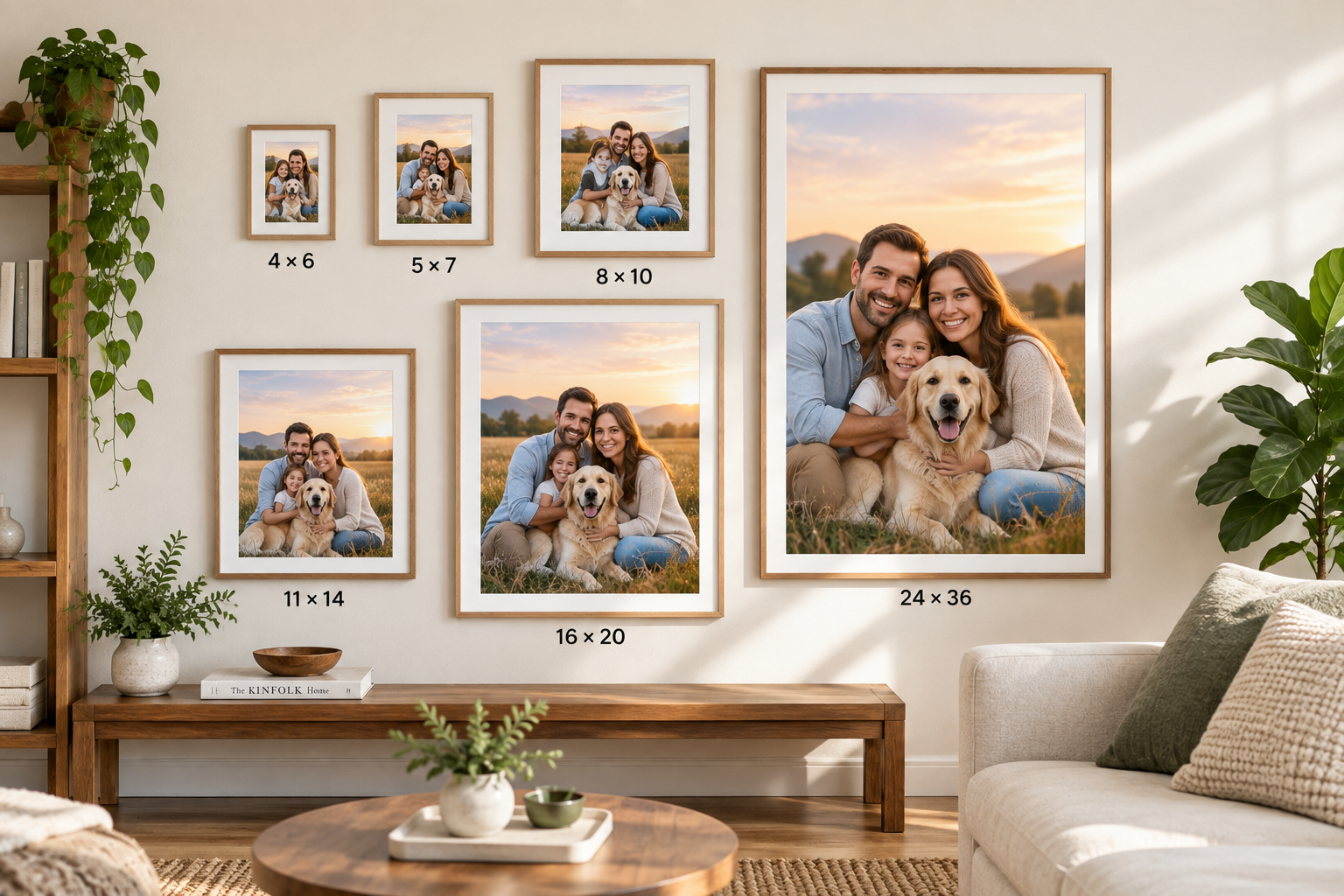
The most common mistake people make is choosing canvas prints that are too small for their walls. A tiny 8x10 print floating on a large living room wall looks like an afterthought. The general rule is that your artwork should fill 50–75% of the available wall space above furniture. For a sofa measuring 84 inches wide, aim for artwork or arrangements spanning 42–63 inches. Measure your wall first, then work backward to determine the ideal canvas dimensions.
Not sure which dimensions suit your space? Our guide on What Canvas Size Should I Use for Prints? can help you decide.
Landscape vs. Portrait: Selecting the Best Flow
Orientation affects how the eye travels through a room. Landscape canvases work beautifully above horizontal furniture like sofas, beds, and console tables, creating visual harmony. Portrait orientations suit narrow walls, spaces between windows, and areas flanking doorways. Consider the room's traffic flow too: landscape pieces slow the eye down for contemplation, while portrait pieces draw the gaze upward, making ceilings feel taller.
The Impact of Multi-Panel Triptychs
Split canvas designs divide a single image across two, three, or more panels. Triptychs create dramatic impact in large spaces where a single canvas might feel insufficient. They work particularly well for panoramic photography, abstract art, and cityscapes. Space panels 1–3 inches apart for visual cohesion. The combined width should follow the same 50–75% rule, treating the entire arrangement as one piece.
Creative Layout Strategies for Every Room
Designing a Cohesive Gallery Wall
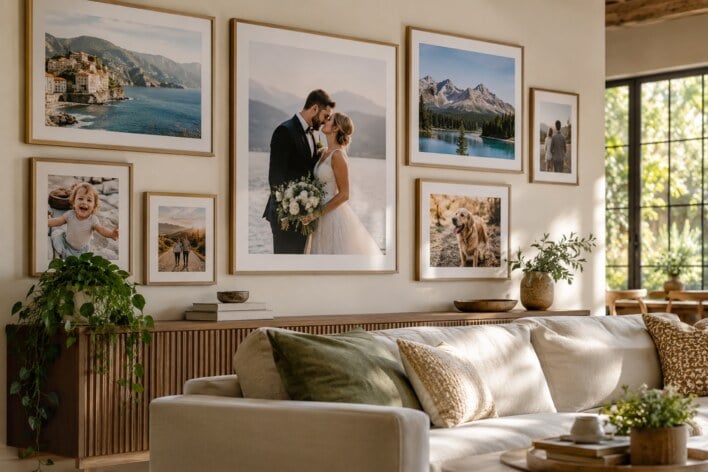
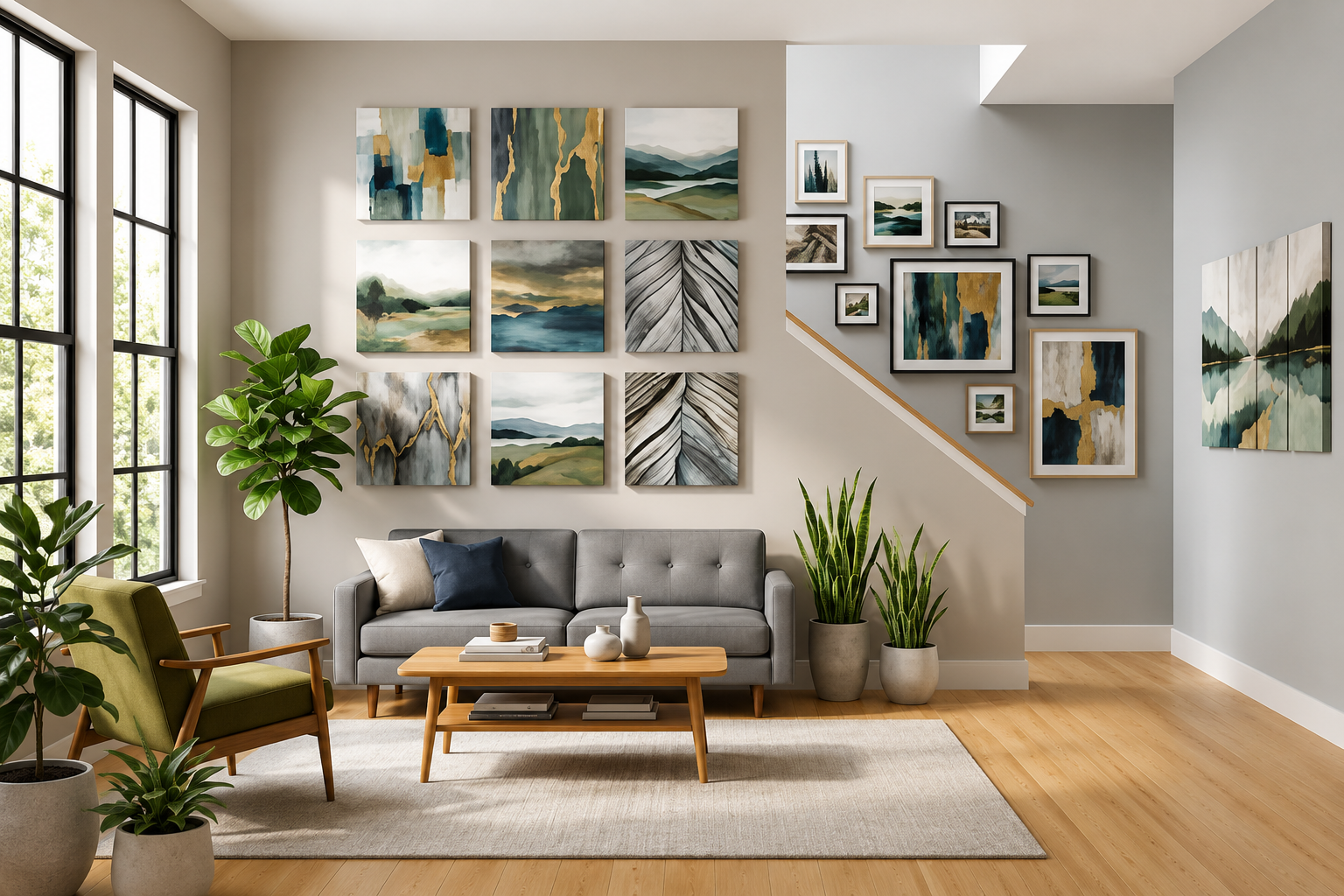
Gallery walls showcase multiple canvas prints in an intentional arrangement. Start by laying your pieces on the floor to experiment with configurations before making any holes. Choose a unifying element: consistent frame colors, a shared color palette in the images, or a theme like family photos or travel memories. Begin hanging from the center and work outward, maintaining consistent spacing of 2-4 inches between pieces.
For step-by-step layout techniques, check out our guide on How to Arrange Canvas Prints on a Wall.
The Grid Method for Clean Symmetry
Grid arrangements use identical or similarly sized canvases arranged in precise rows and columns. This approach suits modern and minimalist interiors where clean lines matter. Four square canvases in a 2x2 formation create a bold statement piece. Six or nine prints arranged in larger grids work well in dining rooms and offices. Use a level and measuring tape religiously; even small misalignments become glaringly obvious in grid layouts.
Staggered Displays for Staircases and Hallways
Staircases present unique challenges because the viewing angle constantly changes. Arrange canvases following the staircase angle, keeping the center of each piece at a consistent eye level as someone ascends or descends. In hallways, staggered heights add visual interest to otherwise monotonous spaces. Alternate between higher and lower placements while maintaining a cohesive imaginary center line.
Styling Canvas Prints with Interior Decor
Framed vs. Frameless Gallery Wraps
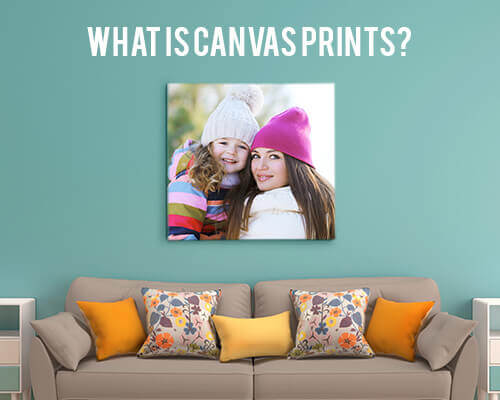
Gallery wrap canvases feature images that continue around the edges, creating a frameless, contemporary look. They suit modern interiors and work well when you want the image itself to be the focus. Framed canvases add traditional elegance and help artwork stand out against busy wallpaper or textured walls. CanvasChamp offers both options, letting you match your specific aesthetic.
Coordinating Color Palettes with Furniture
Pull accent colors from your canvas prints into throw pillows, rugs, or decorative objects to create visual continuity. A canvas featuring ocean blues pairs naturally with navy cushions or teal vases. Avoid matching too precisely; slight variations in shade create sophisticated depth. In neutral rooms, canvas prints become the primary source of color, allowing bold imagery without overwhelming the space.
Mixing Textures: Canvas, Metal, and Wood
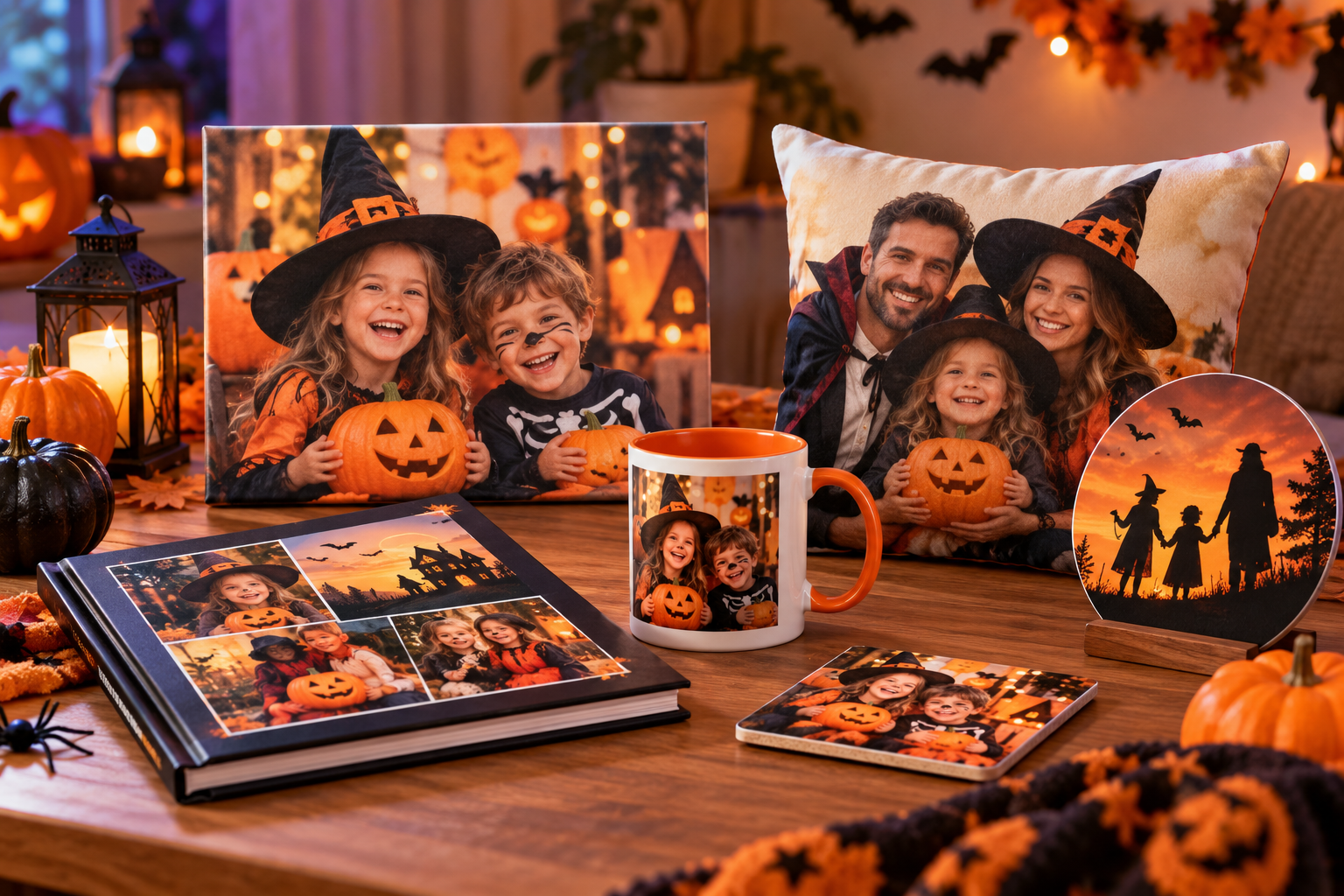
Combining different print mediums adds dimensional interest to gallery walls. Canvas provides warmth and texture, metal prints offer sleek reflectivity, and wood prints bring organic character. Group similar materials together in clusters rather than alternating randomly. A canvas-heavy arrangement with one or two metal accent pieces creates intentional variety without visual chaos.
Lighting and Height Placement Essentials
The Eye-Level Rule for Optimal Viewing
Center your canvas prints at 57 inches from the floor, which represents average eye level in gallery settings. When hanging above furniture, leave 8–10 inches between the sofa back or table surface and the bottom of the canvas. In rooms where people primarily stand, like entryways, hang slightly higher. In seated areas like home theaters, lower placement improves viewing angles.
Using Accent Lighting to Enhance Texture
Canvas prints have a subtle texture that proper lighting reveals beautifully. Picture lights mounted above frames cast downward illumination, emphasizing this dimensionality. Track lighting with adjustable heads lets you direct light precisely. Avoid placing canvases directly opposite windows where competing light sources flatten the image's depth.
Avoiding Glare and Sun Damage
Direct sunlight fades canvas prints over time, particularly photographs and vibrant colors. Position artwork on walls that don't receive prolonged sun exposure, or use UV-filtering window treatments. Glossy finishes reflect light and create viewing glare; matte finishes reduce this problem significantly. Rotate prints between rooms periodically to distribute light exposure evenly across your collection. For additional protection, consider UV-protective varnishes or coatings now commonly available in 2026 for canvas preservation.
For more ideas, read our article on How to Arrange Canvas Prints on Wall.
Practical Hanging and Maintenance Tips
Damage-Free Hanging Solutions
Renters and those with plaster walls benefit from adhesive hanging strips rated for your canvas weight. These hold surprisingly well and remove cleanly. For permanent installations, use appropriate wall anchors: toggle bolts for drywall, masonry anchors for brick or concrete. Wire-hanging systems allow easy repositioning without drilling new holes. Always check weight ratings before trusting any hanging hardware.
Cleaning and Preserving Your Canvas
Dust canvas prints monthly using a soft, dry microfiber cloth or a clean feather duster. Avoid water and cleaning solutions, which can damage the print surface. For stubborn spots, use a slightly damp microfiber cloth with distilled water and light pressure, but never rub or scrub. Store unused canvases vertically in climate-controlled spaces, never in attics or basements where humidity fluctuates.
Frequently Asked Questions
How far apart should I hang multiple canvas prints?
Space canvas prints 2-4 inches apart for cohesive arrangements. Closer spacing creates unity, while wider gaps suit larger walls. Maintain consistent spacing throughout any grouping for professional results.
Can I hang canvas prints in bathrooms?
Bathrooms work if humidity is controlled through ventilation. Avoid hanging directly above showers or tubs where steam regularly contacts the surface. Consider metal or acrylic prints for high-moisture areas instead.
What's the best way to hang heavy canvas prints?
Use two D-ring hangers attached to the frame's vertical supports rather than a single wire. This distributes weight evenly and prevents tilting. Always anchor into wall studs when possible for pieces over 20 pounds.
How do I create a gallery wall with different-sized prints?
Start with your largest piece slightly off-center, then arrange smaller pieces around it. Maintain consistent outer edges to create an invisible frame. Lay everything on the floor first to perfect your arrangement.
Transform Your Walls with Confidence
Mastering how to display canvas prints comes down to thoughtful planning and a few reliable techniques. Measure your spaces, consider your lighting, and don't be afraid to experiment with arrangements before committing. The best displays balance technical precision with personal expression, creating spaces that feel both polished and authentically yours. Ready to create custom canvas prints that deserve perfect placement? Explore the extensive options at CanvasChamp, where premium quality meets affordable pricing, and transform your favorite memories into stunning wall art.