Free Shipping
 Extra Savings


How to Protect Canvas Prints from Fading: UV and Moisture Tips
Listen to Content
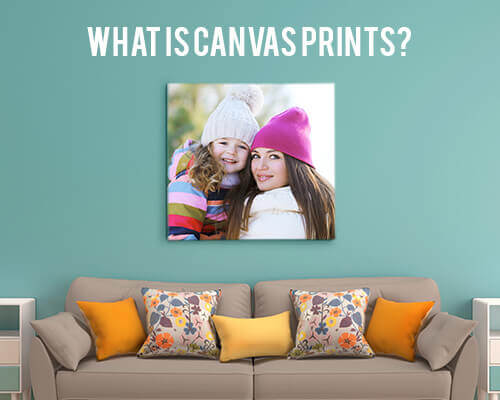
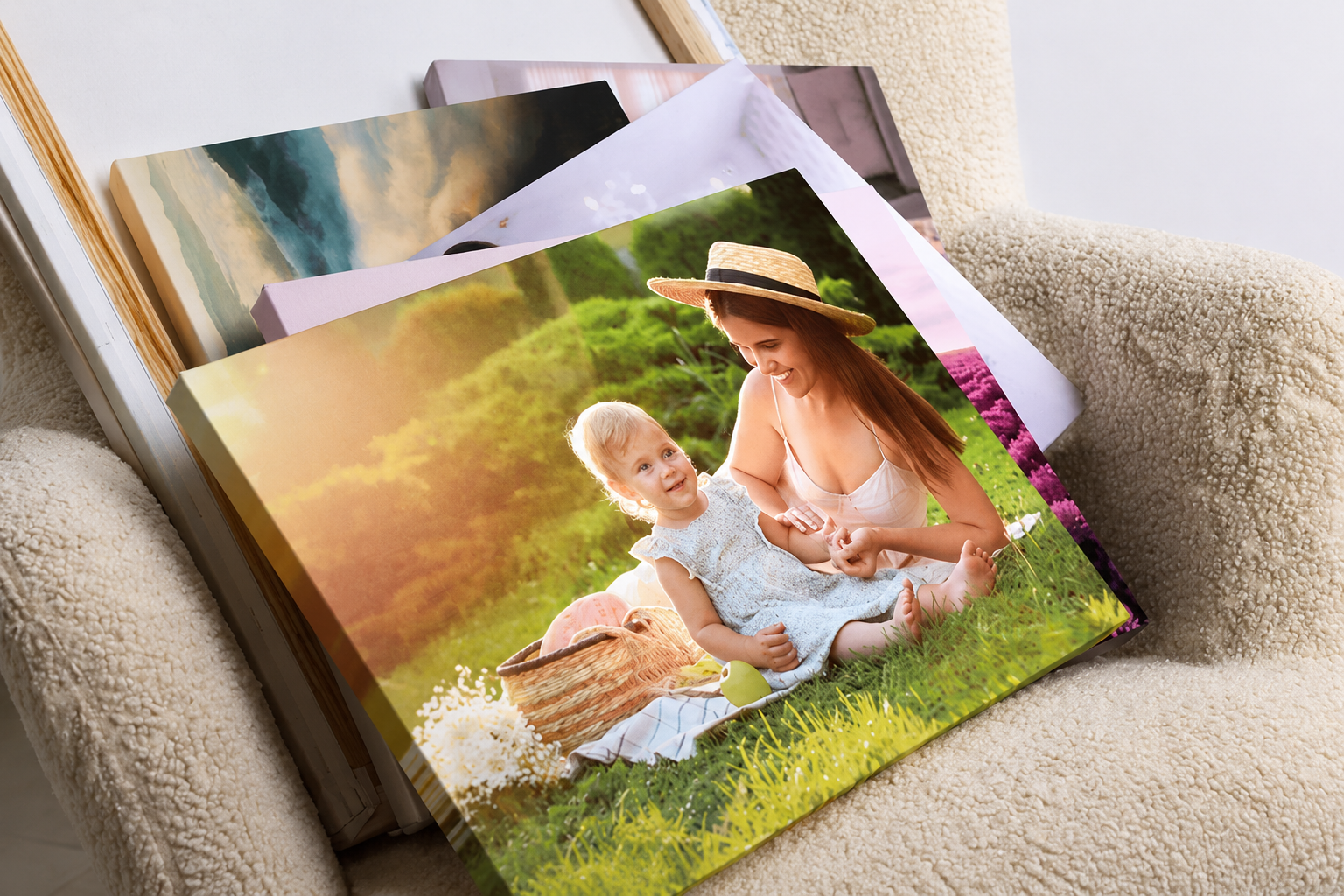
Canvas prints transform cherished memories into stunning wall art, but nothing diminishes their impact faster than fading colors and warped surfaces. That vibrant family portrait or breathtaking landscape photograph deserves to look as vivid in ten years as it does today. Understanding how to protect canvas prints from fading requires attention to two primary threats: UV radiation and moisture damage. Both enemies work silently, gradually degrading pigments and stretching canvas fibers until the damage becomes impossible to ignore. The good news? With proper placement, protective treatments, and climate control, your canvas art can maintain its original brilliance for decades. Whether you've invested in premium pieces from CanvasChamp or inherited family heirlooms, these proven preservation techniques will safeguard your collection against environmental deterioration.
Understanding Why Canvas Prints Fade and Deteriorate
Canvas art faces constant assault from invisible environmental factors. Recognizing these threats is the first step toward effective protection.
The Role of UV Radiation in Pigment Breakdown
Ultraviolet light acts as a slow-burning acid on printed pigments. When UV rays strike the ink molecules in your canvas print, they trigger a photochemical reaction that breaks down the molecular bonds holding color together. Red and yellow pigments typically fade first, leaving prints with an unnatural blue or green cast. Even indirect sunlight streaming through windows carries enough UV energy to cause noticeable fading within a few months to a year of continuous unprotected exposure, depending on ink type and light intensity.
The damage is cumulative and irreversible. Each hour of UV exposure chips away at color vibrancy, and no restoration technique can fully recover what's lost. Prints displayed near south-facing windows or under skylights face the highest risk.
How Humidity and Moisture Cause Canvas Stretching
Canvas fabric responds dramatically to moisture fluctuations. When humidity rises, cotton and polyester fibers absorb water vapor and expand. As conditions dry out, the material contracts. This constant expansion-contraction cycle loosens the canvas from its stretcher bars, creating unsightly sagging and rippling across the print surface.
Extreme moisture introduces more serious problems. Mold and mildew thrive in damp conditions, leaving permanent stains and musty odors. Water droplets landing directly on canvas can dissolve inks and leave tide marks that no amount of cleaning will remove.
Shielding Your Art from Sun Damage
Strategic defense against UV radiation preserves color integrity without requiring you to keep art hidden in dark rooms.
Optimal Placement Away from Direct Sunlight
Location selection matters more than any protective coating. Hang canvas prints on walls that never receive direct sunlight, typically north-facing walls in the Northern Hemisphere. If your preferred display spot catches afternoon sun, consider repositioning furniture or installing light-filtering window treatments.
Observe your room throughout the day before finalizing placement. Sunlight patterns shift seasonally, so a wall that seems safe in winter might receive harsh direct light during summer months. Even brief daily exposure accumulates significant damage over the years.
Using UV-Protective Glazing and Glass
Framed canvas prints benefit enormously from UV-filtering glass or acrylic glazing. Museum-quality options block up to about 97–99% of ultraviolet radiation while maintaining optical clarity. Standard picture frame glass offers minimal UV protection, so specifically request conservation-grade materials when framing valuable pieces.
Acrylic glazing weighs less than glass and resists shattering, making it ideal for large prints or homes with children. The slight additional cost pays dividends in extended print lifespan.
Applying UV-Resistant Varnish or Sprays
Protective varnishes create a transparent barrier between your print and harmful light. Quality UV-resistant sprays are available in matte, satin, and gloss finishes to match your aesthetic preferences. Apply multiple thin coats rather than one thick layer, allowing each coat to dry completely between applications.
Professional-grade varnishes also protect against dust adhesion and minor scratches. Reapplication every three to five years maintains optimal protection levels, particularly for prints in high-traffic areas.
Managing Humidity and Moisture Levels
Consistent indoor climate conditions prevent the physical damage that moisture inflicts on canvas materials.
Ideal Indoor Climate Conditions for Canvas
Target a relative humidity range between 40% and 55% for optimal canvas preservation. Invest in a quality hygrometer to monitor conditions, and use humidifiers or dehumidifiers as needed to maintain stability. Temperature matters too: aim for consistent readings between 65°F and 75°F.
Rapid fluctuations cause more damage than slightly imperfect steady-state conditions. A room that stays at 60% humidity year-round treats canvas better than one swinging between 30% and 70% with the seasons.
Risks of Displaying Canvas in Kitchens and Bathrooms
Steam from cooking and showering creates hostile conditions for canvas art. Kitchen prints face grease particles that embed in canvas texture, while bathroom humidity levels can spike above 90% during showers. These environments accelerate both fading and physical deterioration.
If you must display canvas in these spaces, choose prints you consider expendable and expect to replace them periodically. Better yet, opt for metal prints or sealed photographs that handle moisture exposure gracefully.
The Importance of Air Circulation Behind the Frame
Trapped moisture between the canvas and wall promotes mold growth and prevents proper drying after humidity spikes. Use hanging hardware that holds frames slightly away from wall surfaces, creating a small air gap. Spacer bumps on frame corners accomplish this effectively.
Periodically check behind hung prints for signs of condensation or mold, especially on exterior walls that may be cooler than room temperature.
Best Practices for Cleaning and Maintenance
Regular gentle cleaning prevents dust accumulation that dulls colors and attracts moisture.
Safe Dusting Techniques to Avoid Abrasions
Use a soft, dry microfiber cloth or a clean makeup brush for routine dusting. Work in gentle, sweeping motions rather than scrubbing. On textured canvas surfaces, a soft-bristled brush can reach into crevices without damaging the print layer.
Never apply pressure when cleaning, as canvas surfaces scratch easily. Monthly dusting prevents buildup that becomes difficult to remove without aggressive cleaning methods.
Why You Should Avoid Chemical Cleaners
Household cleaning products contain solvents that dissolve printing inks and degrade protective varnishes. Even "gentle" cleaners formulated for other surfaces can cause irreversible damage to canvas prints. Water-based cleaners leave moisture behind, which can lead to stretching and mold problems discussed earlier.
If a print requires more than dry dusting, consult a professional art conservator rather than experimenting with cleaning products.
Long-Term Preservation Strategies
Planning for decades of enjoyment requires attention to initial quality and thoughtful display rotation.
Choosing Archival-Quality Inks and Canvas
Print longevity begins at production. Archival pigment inks resist fading far longer than dye-based alternatives, with some manufacturers guaranteeing up to 100 years or more of color stability under proper display conditions. Quality canvas material matters equally: acid-free cotton canvas with proper priming provides the most stable foundation.
When ordering custom prints from reputable providers like CanvasChamp, inquire about ink and material specifications. Premium materials cost slightly more upfront but dramatically extend usable print life.
Rotating Your Collection to Minimize Exposure
Museums rotate displayed works specifically to limit cumulative light exposure. Apply this principle at home by periodically swapping prints between well-lit and lower-light locations. Store resting pieces flat in acid-free containers away from temperature extremes.
This rotation strategy lets you enjoy more of your collection over time while giving individual pieces recovery periods from environmental stress.
Frequently Asked Questions
How long do canvas prints typically last without protection?
Unprotected canvas prints in direct sunlight may show noticeable fading within one to three years. With proper UV protection and climate control, quality prints can maintain vibrancy for several decades, often 70 years or longer, depending on materials.
Can faded canvas prints be restored?
Minor fading sometimes improves with professional cleaning, but significant pigment loss is permanent. Prevention always outperforms restoration attempts.
Do LED lights damage canvas prints?
LED lighting emits minimal UV radiation compared to incandescent or fluorescent lighting, making it the safest artificial lighting option for illuminating artwork.
Is glass framing necessary for canvas prints?
Glass framing isn't required but offers excellent UV protection for valuable pieces. An unframed canvas with a quality varnish coating provides adequate protection for most display situations.
Preserving Your Memories for Generations
Protecting canvas prints from UV and moisture damage requires consistent attention to placement, climate, and maintenance. The effort rewards you with art that maintains its emotional impact and visual appeal across decades. For stunning custom canvas prints crafted with archival-quality materials, explore CanvasChamp's collection and transform your favorite memories into lasting wall art.