Free Shipping
 Extra Savings


Choosing the Right Photo Size: Standard Print Sizes for Every Display
Listen to Content
Choosing the right photo size can make the difference between a print that feels perfectly placed and one that looks lost, crowded, or awkwardly cropped. The best choice depends on where the image will be displayed, the shape of the original photo, the level of detail in the image, and whether you want a small keepsake or a statement piece.
Understanding photo sizes also makes it easier to plan frames, gallery walls, desk displays, and larger wall arrangements. From compact prints for albums to oversized wall art, each format has a purpose.
What Are Standard Photo Sizes?
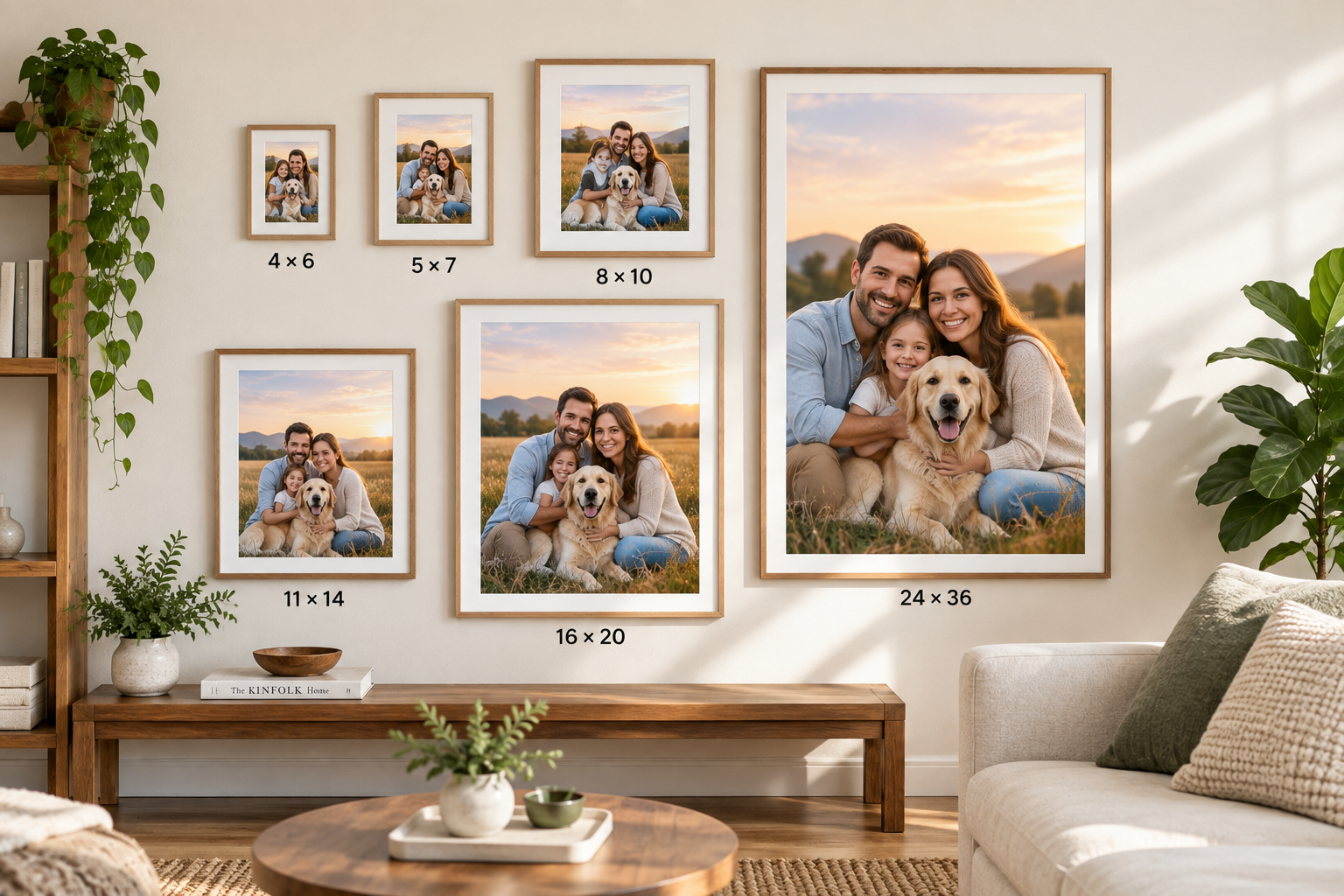
If you are wondering what are standard picture sizes, the most familiar options in the United States include 4x6, 5x7, 8x10, 11x14, and 16x20 inches. Larger formats such as 20x30 and 24x36 inches are also popular for wall displays.
The 4x6 format is especially common because it is compact, affordable, and works well for snapshots, travel pictures, and albums. A 5x7 gives the image a little more presence, while an 8x10 is often used for portraits and framed displays.
Once you move into 11x14, 16x20, and larger formats, the image begins to function more like wall art. These sizes can work above desks, consoles, beds, and other furniture.
What Is a Normal Picture Size?
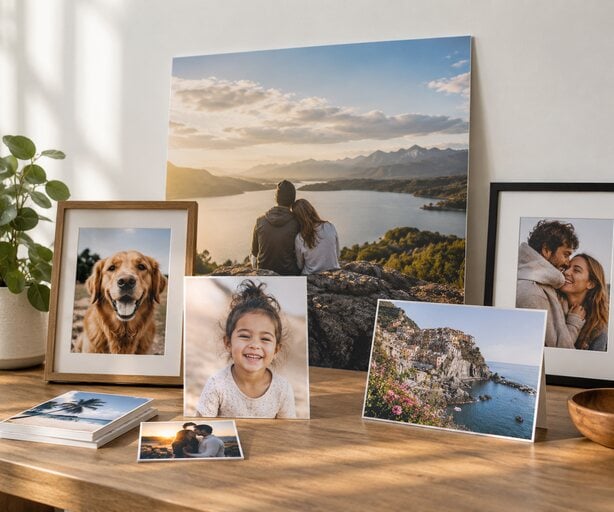
People often ask what is a normal picture size because there is no single answer for every use. For everyday prints, 4x6 is one of the most common photo sizes. It fits easily into albums and small frames and works well for casual family, vacation, and event photos.
A 5x7 is a good step up when you want a photo to stand out on a shelf or tabletop. An 8x10 offers more detail and is often better for portraits, school photos, wedding pictures, or images you want to frame individually.
The right photo size should match how the image will be viewed. Small prints work well at close range, while larger sizes are better for walls and rooms where the viewer may stand several feet away.
Small Photo Sizes for Albums, Gifts, and Compact Displays
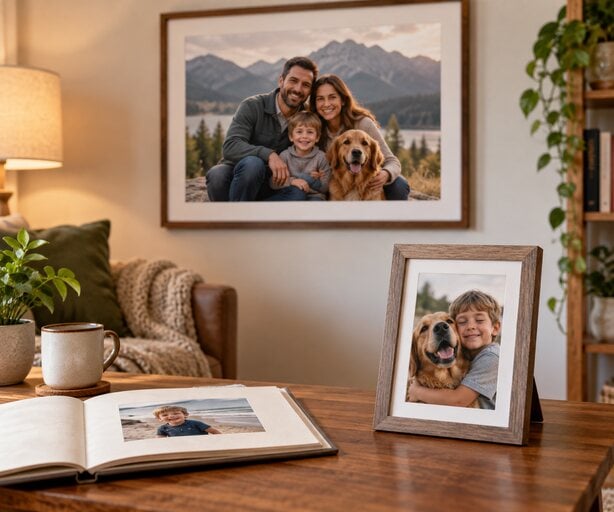
Not every image needs to be large. Small formats are useful when you want to share photos, build an album, create a desk display, or use several images together.
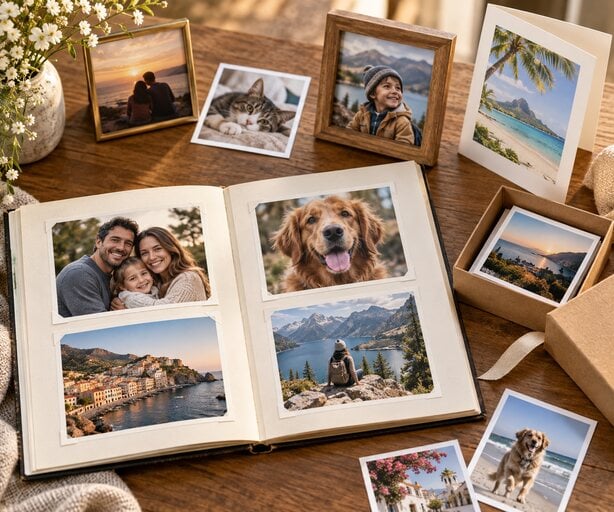
Photo sizes smaller than 4x6 can include wallet-size prints, 3.5x5 prints, and other compact formats offered by some printers. These are useful for keepsakes, mini frames, greeting cards, scrapbooks, and small gifts.
Choosing Medium Photo Print Sizes
Medium photo print sizes such as 5x7, 8x10, and 11x14 offer a balance between visibility and flexibility. They are large enough to show facial expressions and finer details but still easy to use in frames or grouped arrangements.
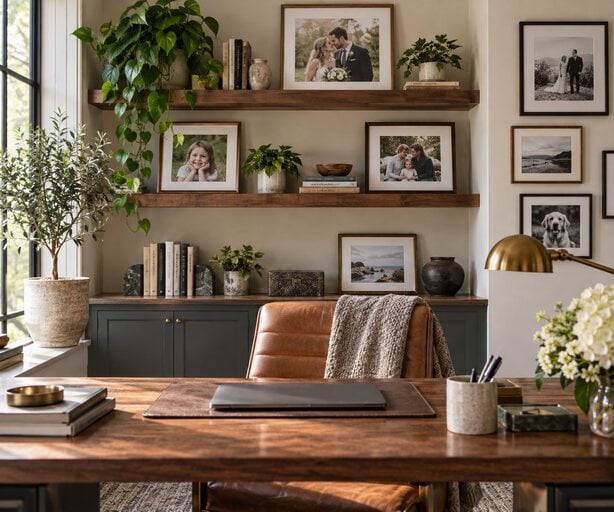
A 5x7 works well for side tables, desks, and shelves. An 8x10 can stand alone in a frame or become part of a gallery wall. An 11x14 gives the image more visual weight and can work well in an entryway, hallway, office, or bedroom.
If you prefer a finished presentation with a border or frame, Custom Framed Prints can be a practical choice for portraits, wedding photos, and family images.
Large Print Sizes for Photos That Deserve More Attention
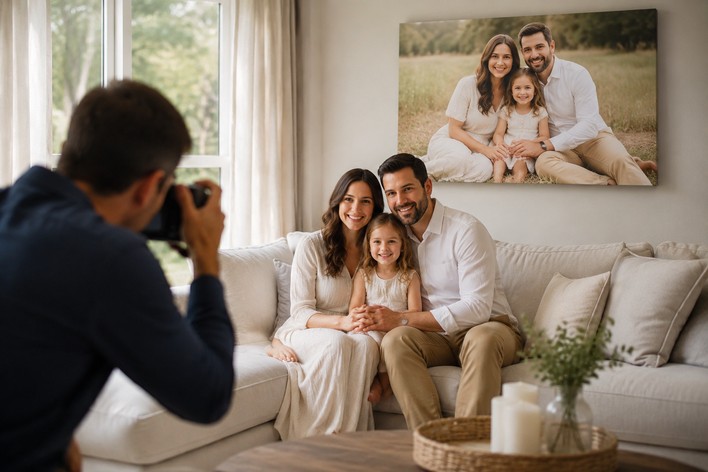
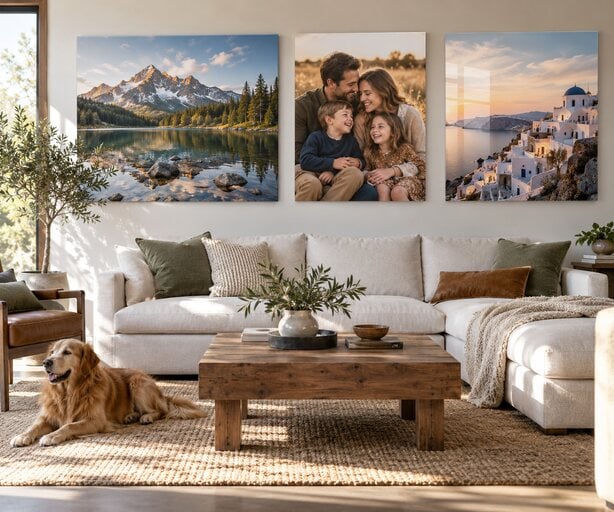
Some photographs are meant to become the focus of a room. Landscapes, family portraits, wedding images, travel photography, and artistic shots often benefit from larger print sizes for photos.
Formats such as 16x20, 20x30, and 24x36 inches give an image enough scale to be seen clearly from across the room. Before ordering a large print, check the resolution of the original file. Enlarging a small or heavily compressed image can make blur and digital artifacts more visible.
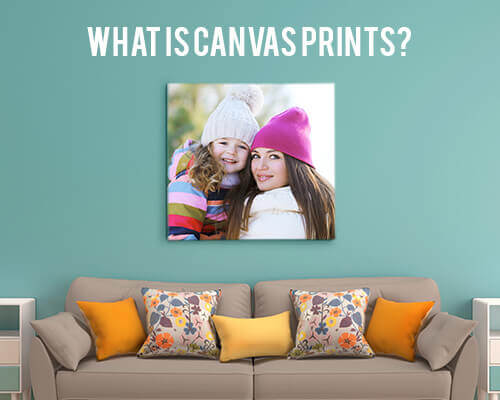
Canvas prints work especially well when you want a photograph to feel like a finished piece of wall art. For a more contemporary surface, Metal Prints can bring out contrast and detail, while Acrylic Prints can give color-rich images a sleek, polished appearance.
How Aspect Ratio Affects Picture Sizes
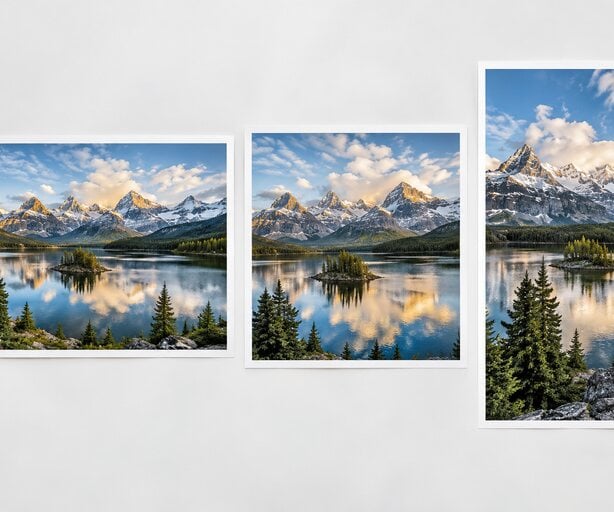
One reason choosing between picture sizes can be confusing is that photos do not all have the same shape. A camera or phone image may use a different aspect ratio from the print size you select.
When the aspect ratio of the image does not match the print, some cropping may be required. For example, converting a wide image into a more square format can cut away details near the edges.
Always preview the crop before ordering. Keep faces, text, landmarks, and other important details away from the extreme edges of the frame. If cropping removes too much, choose a print size that is closer to the original proportions of the photo.
How to Choose a Photo Size for a Frame
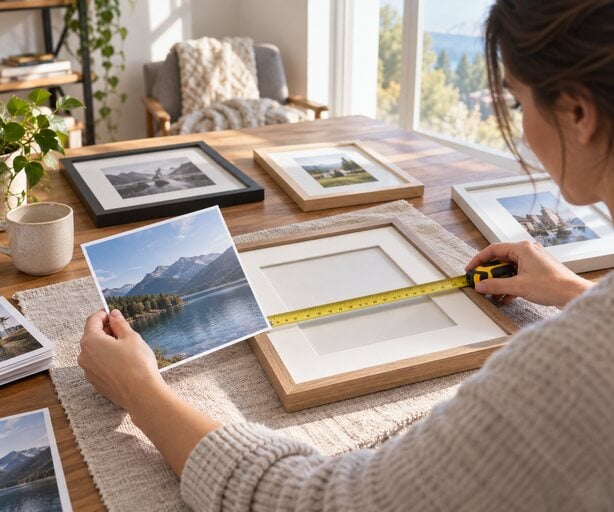
If you already own a frame, measure the opening before ordering the print. Do not assume the outer dimensions of the frame are the same as the visible photo area.
Frames with mats can display a smaller photograph inside a larger frame. This can create a clean, gallery-style look and give the image more breathing room.
For traditional framed displays, 5x7, 8x10, and 11x14 are easy sizes to work with because compatible frames are widely available. If you want a cleaner presentation without a separate frame, other formats may suit the image better.
Matching Photo Sizes to Different Rooms
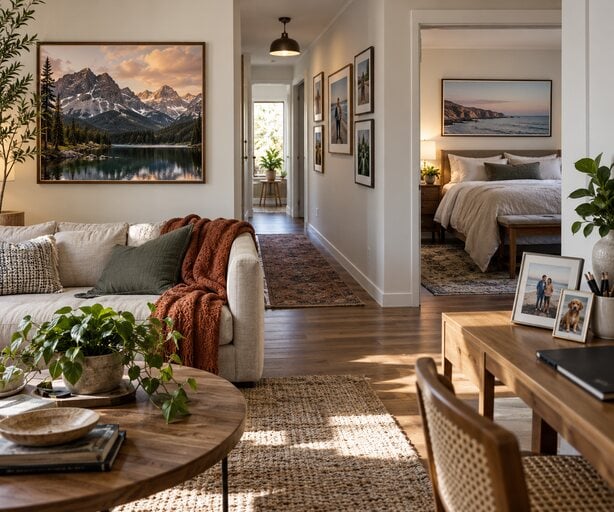
Room size and viewing distance should influence your choice. A 4x6 or 5x7 can look right on a desk but disappear on a large living-room wall. In the same way, a 24x36 print may overwhelm a small shelf or narrow corner.
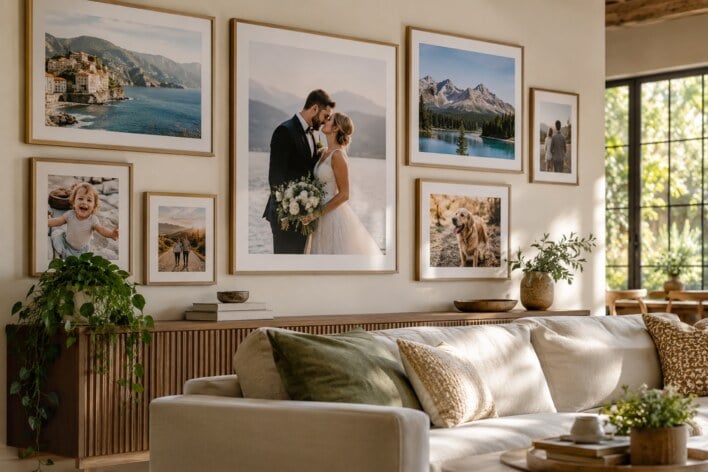
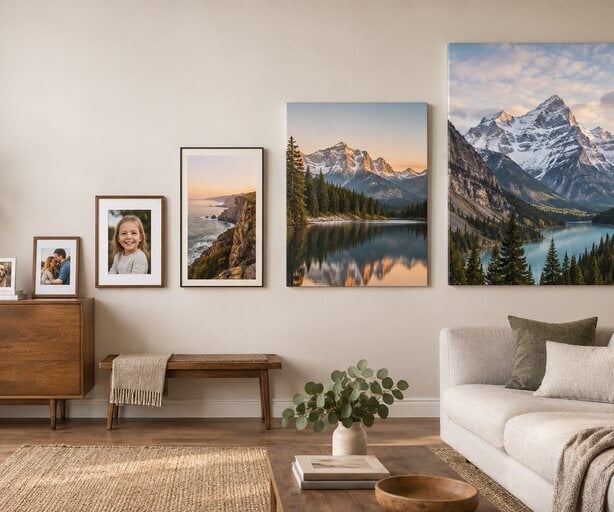
Bedrooms often work well with medium or large horizontal pieces above the headboard. Living rooms can support larger artwork, especially over a sofa or console. Hallways are suited to smaller repeated prints, while home offices can combine one feature image with several compact photographs.
If you want to display several coordinated images together, a Canvas Wall Display can help turn a group of photos into one larger visual arrangement.
When to Choose Posters Instead of Traditional Photo Prints
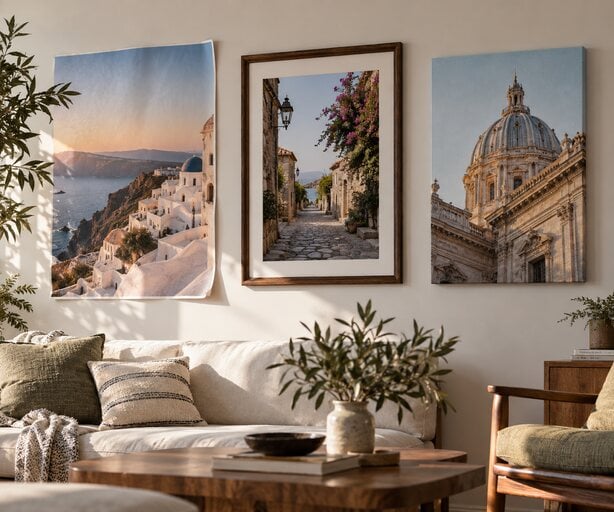
Poster Prints are useful when you want a larger image without the heavier visual presence of a framed piece or stretched canvas. They can suit travel photography, graphic designs, landscapes, architecture, and casual wall displays.
When comparing photo print sizes, think about the final surface as well as the dimensions. The same image can feel very different as a glossy photo, poster, canvas, metal, acrylic, or framed print.
How Image Resolution Changes With Print Size
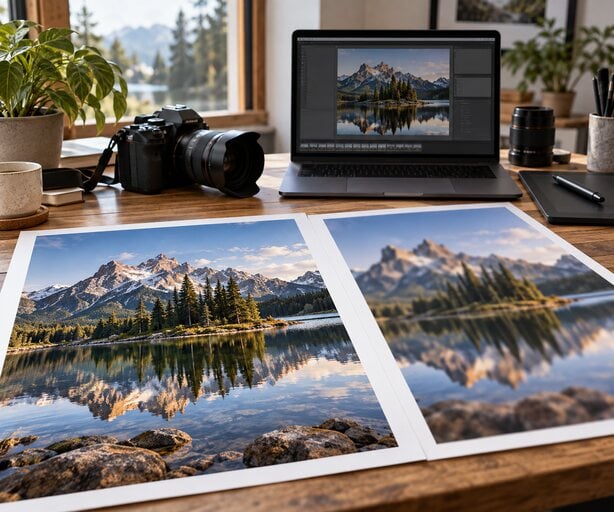
The larger you print a photo, the more image data you need to keep it looking sharp. A file that looks clear on a phone screen may not have enough resolution for a large wall print.
Use the original image file whenever possible. Avoid screenshots or photos downloaded from social media, as these may be compressed. If your printing service warns that the image resolution is low, consider choosing a smaller size rather than forcing the file into a larger format.
Sharpness also depends on viewing distance. A small print is usually viewed up close, so fine detail matters more. A large wall print is often viewed from several feet away, which can make minor softness less noticeable.
A Quick Guide to Common Photo Sizes
For an easy reference, think of common photo sizes by how they are typically used:
- 4x6: Everyday snapshots, albums, and small frames.
- 5x7: Gifts, shelves, desks, and tabletop displays.
- 8x10: Portraits, framed photos, and small wall displays.
- 11x14: Hallways, offices, and gallery walls.
- 16x20: Bedrooms, living rooms, and feature images.
- 20x30 and larger: Statement pieces and large wall areas.
These are not fixed rules. The best photo size depends on the image, wall space, furniture, and how much visual impact you want.
Choosing the Best Size Before You Print
Before ordering, decide where the photo will go and measure the available space. Check the image orientation, resolution, and crop preview. Then consider whether the photo should feel like a small personal memory, a framed feature, or a large piece of wall art.
Standard photo sizes are useful starting points, but the final choice should suit the image and the display. A family snapshot may be perfect at 5x7, while a sweeping landscape may need 20x30 or more to show its detail.
By understanding the available photo sizes and how they work in different spaces, you can choose a print that feels intentional, fits the display, and gives the photograph the attention it deserves.