Free Shipping
 Extra Savings


How to Arrange Canvas Prints on the Wall
Listen to Content
A blank wall stares back at you, full of potential but offering no hints about what to do next. You've invested in beautiful canvas prints, yet the difference between a stunning gallery display and a chaotic mess comes down to one thing: arrangement. Knowing how to arrange canvas prints in a room transforms it from ordinary to extraordinary. The good news? You don't need an interior design degree to get this right. Strategic placement follows predictable principles that anyone can master.
Whether you're working with a single statement piece or curating an entire collection of family photos, the techniques remain consistent. What matters most is understanding the relationship between your prints, your space, and the visual flow you want to create. This guide breaks down everything from initial planning through final installation, giving you the confidence to create displays that look professionally designed.
Planning Your Canvas Layout and Theme
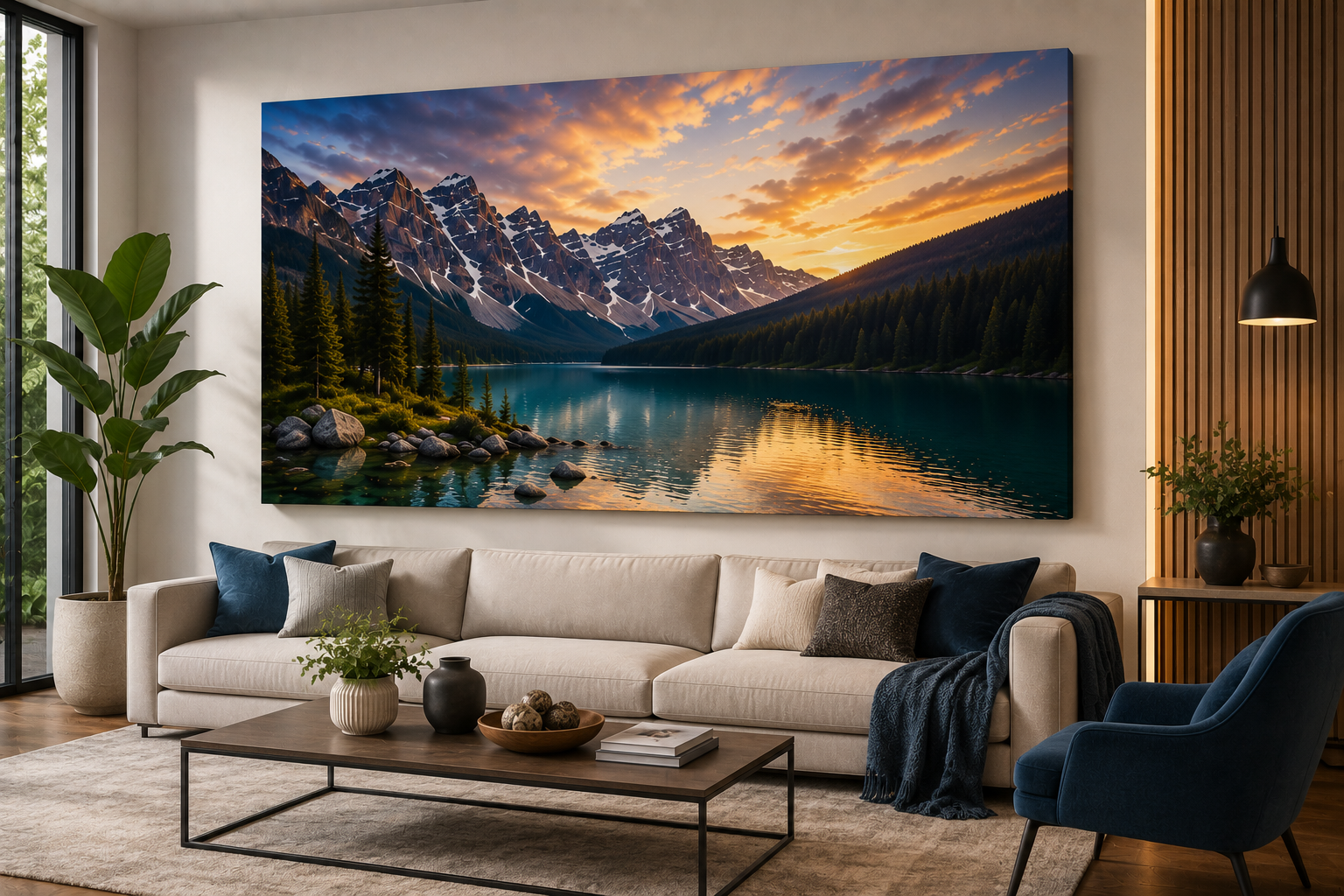
Choosing a Focal Point and Room Placement
Every successful arrangement starts with identifying where eyes naturally land when entering a room. This focal point typically sits opposite the main entrance or above a significant piece of furniture. Your largest or most striking canvas belongs here, anchoring the entire display. Consider traffic patterns and viewing angles, too. A print hung in a narrow hallway needs different treatment than one in a spacious living room where viewers can step back. Test your focal point by standing in various spots throughout the room and noting where your gaze settles.
Selecting a Cohesive Color Palette
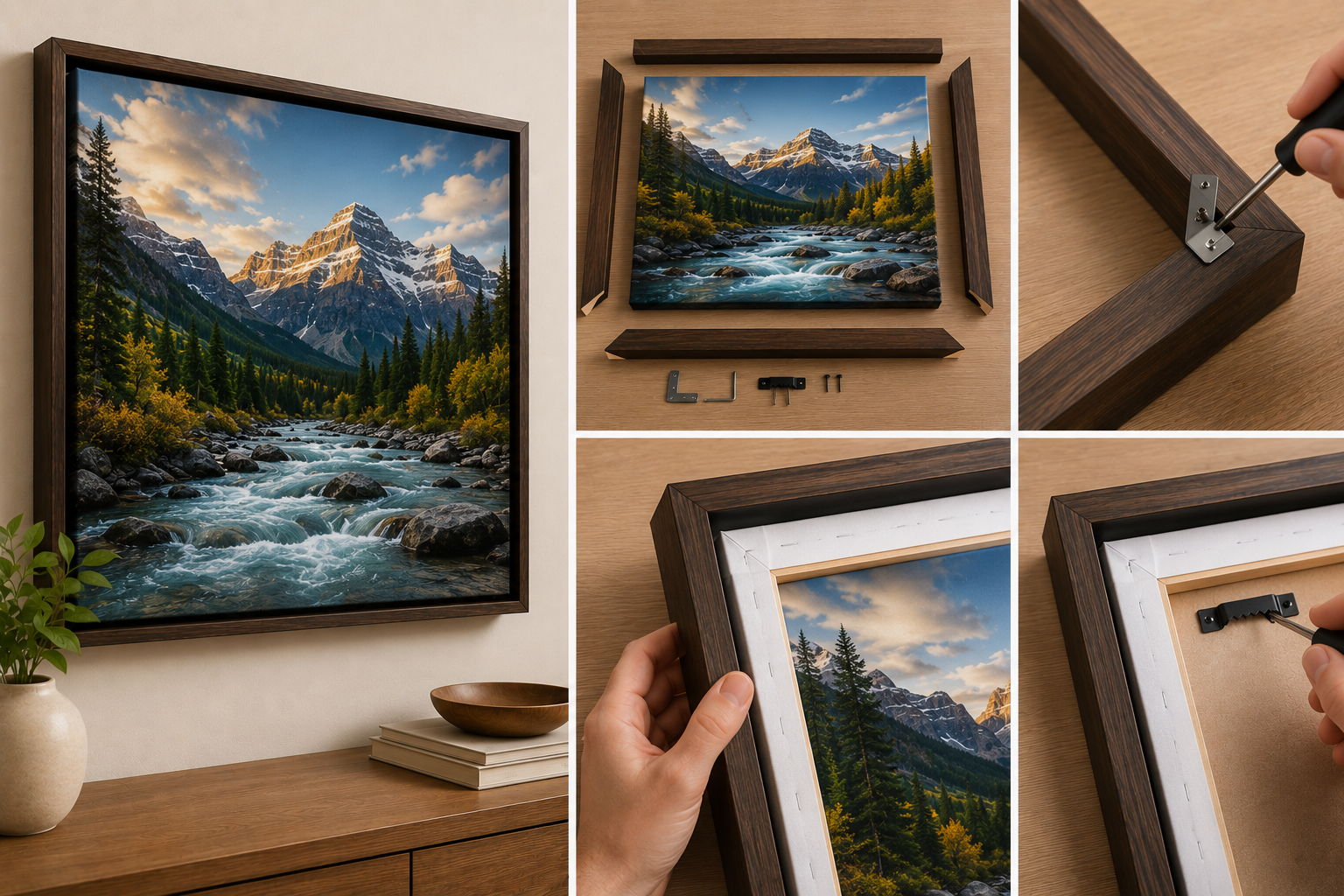
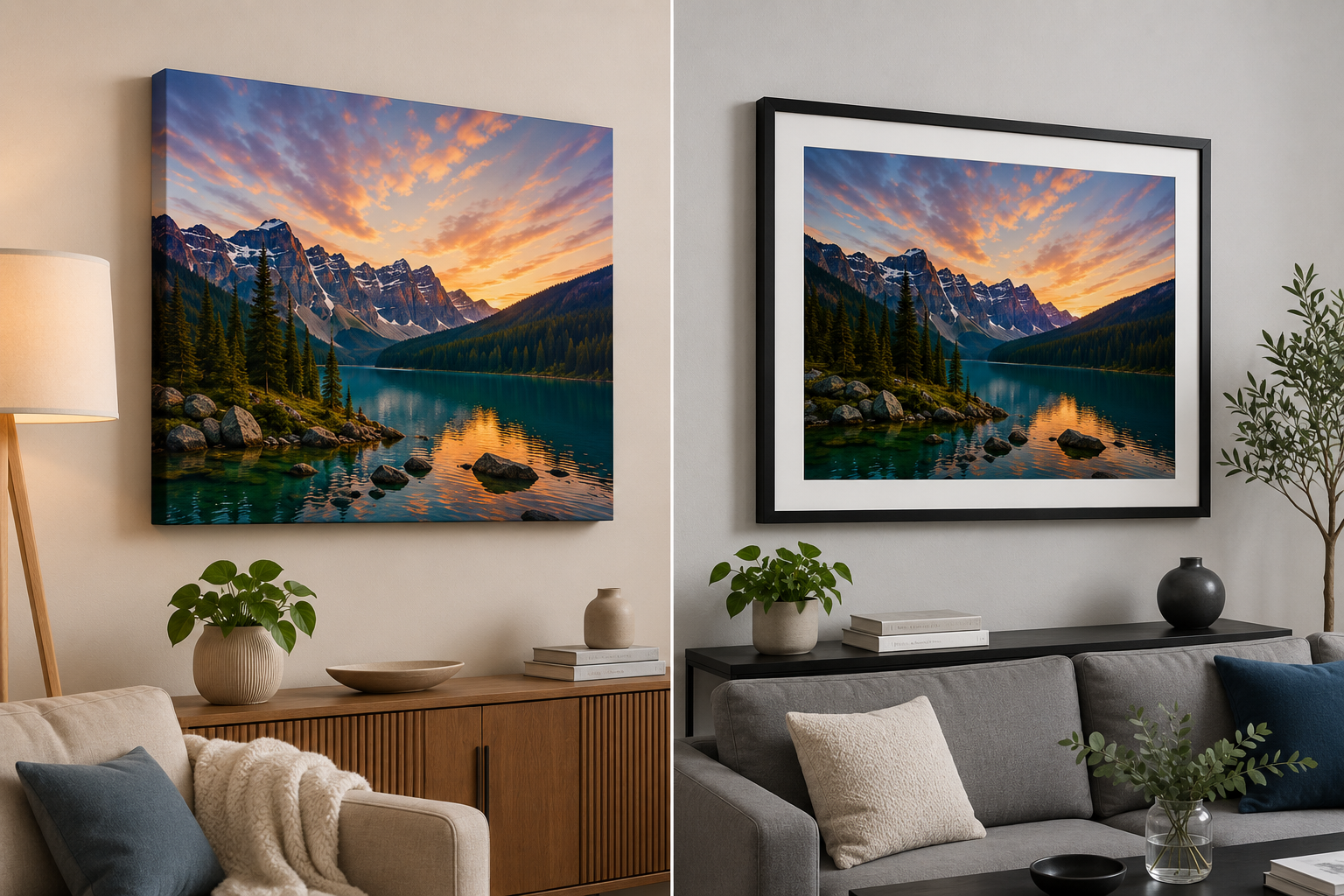
Cohesion separates amateur arrangements from polished displays. Pull two or three dominant colors from your prints and ensure they either complement your existing decor or create intentional contrast. Monochromatic schemes work well for minimalist spaces, while complementary colors add energy to neutral rooms. Don't overlook the canvas edges and frames. Black gallery wraps create drama, white adds airiness, and mirrored edges extend the image for a contemporary feel.
Measuring Your Wall Space for Scale
Grab a tape measure before purchasing anything. Your canvas arrangement should occupy roughly two-thirds of the available wall width above furniture. For empty walls, the display can expand larger, but leaving breathing room prevents visual overwhelm. Document your measurements and sketch the space to scale on paper. This simple step prevents the frustration of prints that dwarf your wall or disappear into it.
Popular Arrangement Styles and Patterns
The Classic Grid for Uniformity
Grid arrangements use identical frames spaced evenly in rows and columns. This style suits modern and minimalist interiors perfectly, creating order from multiple pieces. The key to successful grids lies in precision: even small spacing inconsistencies become glaringly obvious. Grids work best with four, six, eight, or nine pieces, as this maintains symmetry and visual balance. Odd numbers in grid format can feel unbalanced unless you're intentionally creating asymmetry.
Eclectic Gallery Walls for Mixed Sizes
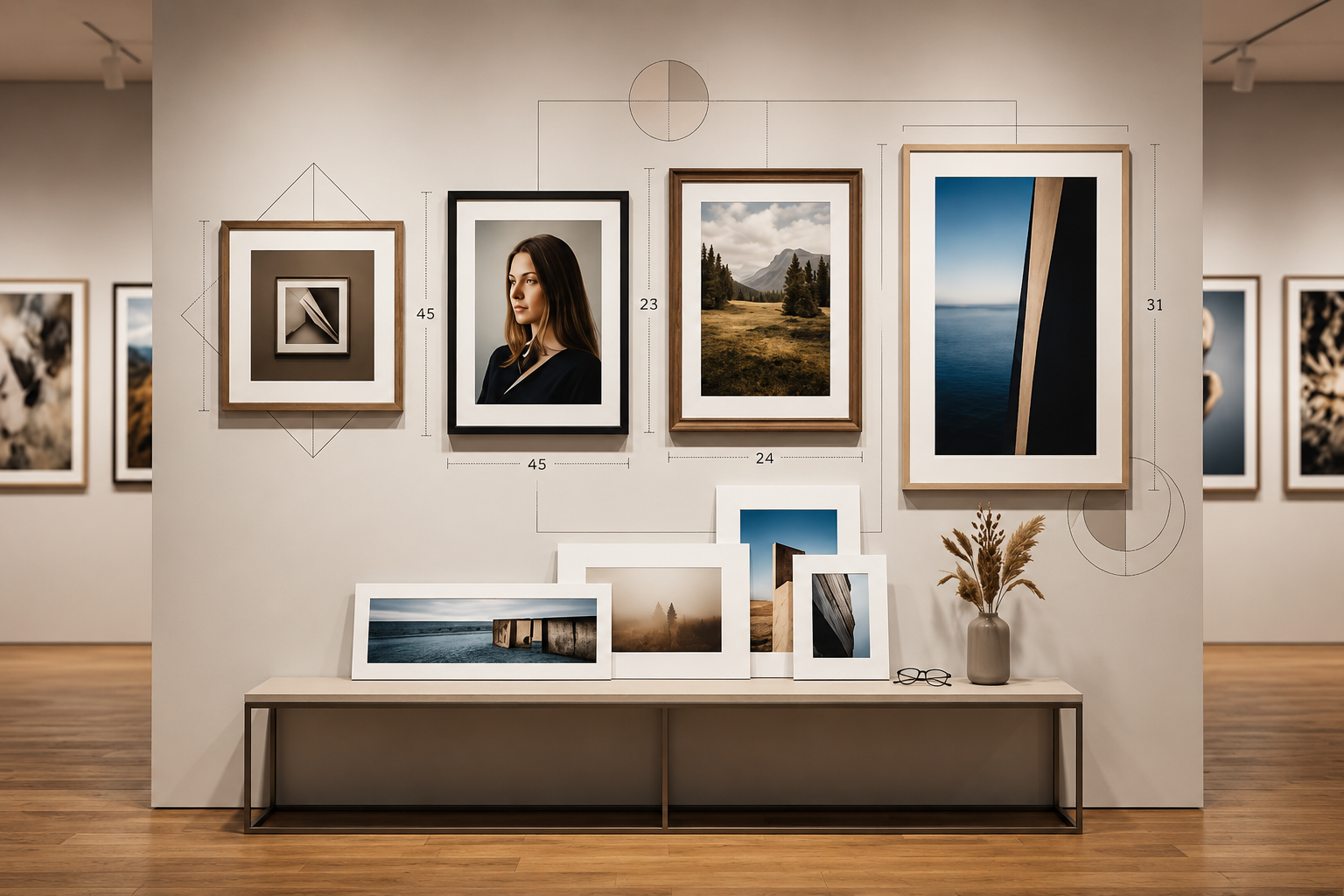
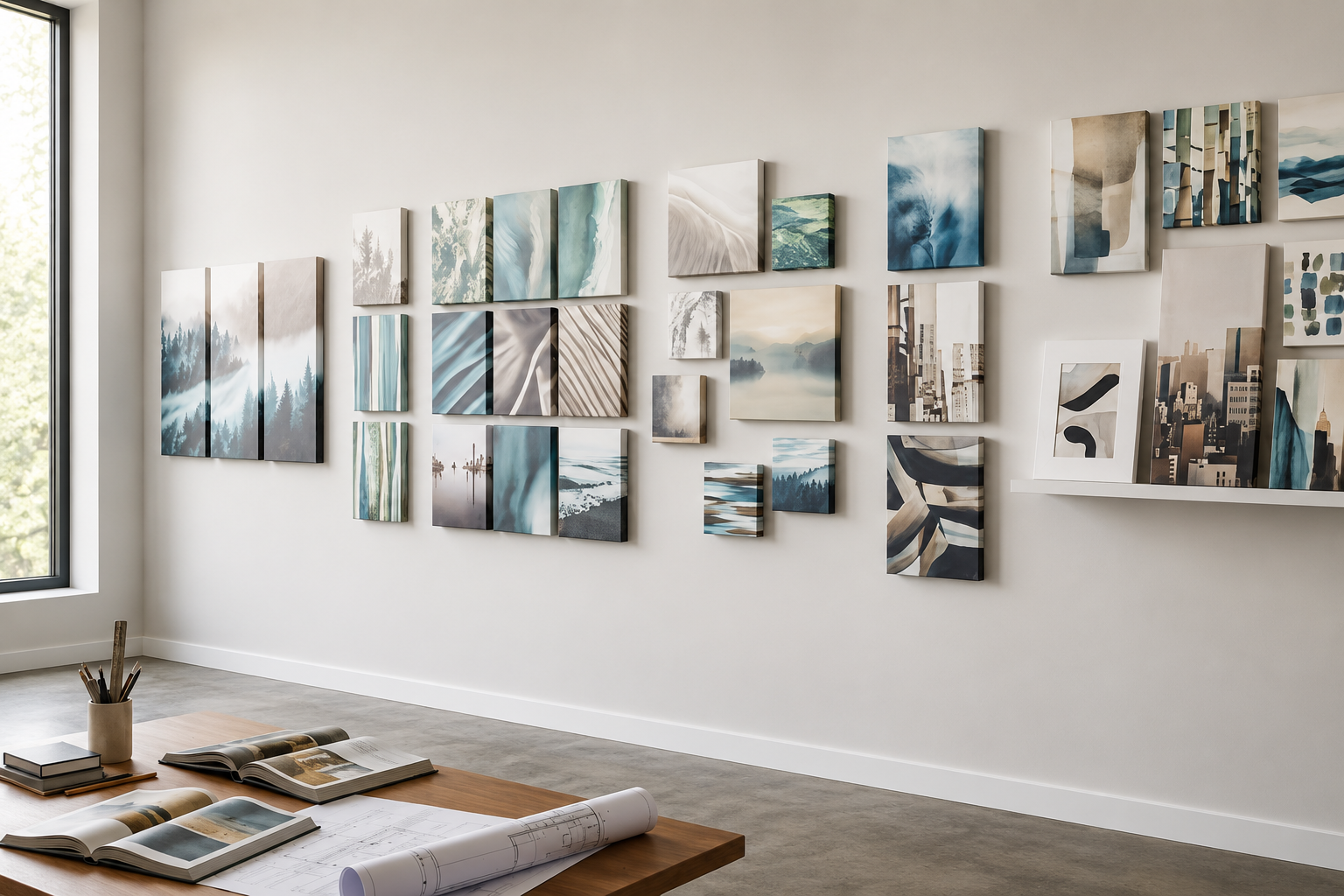
Gallery walls embrace variety, mixing different canvas sizes, orientations, and even frame styles. The secret to avoiding chaos is maintaining one consistent element, whether that's color palette, subject matter, or frame finish. Start with your largest piece slightly off-center and build outward. Lay everything on the floor first to experiment with arrangements before committing to wall holes. CanvasChamp offers multiple size options that make creating cohesive gallery walls straightforward.
Symmetrical vs. Asymmetrical Balances
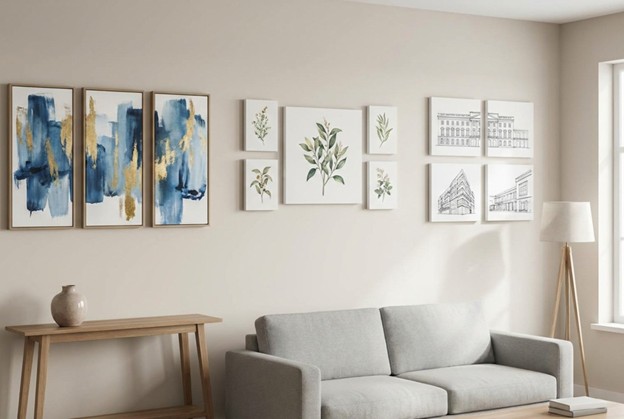
Symmetrical arrangements mirror each side of a central axis, creating formal elegance suited to traditional spaces. Think matching prints flanking a fireplace or bed. Asymmetrical balance distributes visual weight unevenly but still achieves equilibrium. A large canvas on one side might balance three smaller pieces on the other. This approach feels more dynamic and contemporary.
Linear Row and Column Formations
Horizontal rows elongate walls and work beautifully above sofas or headboards. Vertical columns draw eyes upward, making ceilings appear higher. Linear arrangements demand consistent spacing and alignment. Use a level religiously, as even slight tilts become obvious when pieces sit in a row.
Essential Rules for Height and Spacing
The Eye-Level Rule for Optimal Viewing
Center your arrangement 57–60 inches above the floor, aligning with current design standards that accommodate a broader range of viewer heights. For seated viewing areas, such as dining rooms, drop this to 48–52 inches. Above furniture, maintain 6–12 inches between the piece and your canvas to create a visual connection without crowding.
Determining the Gap Between Canvases
Spacing between multiple canvases typically ranges from 2 to 5 inches. Smaller gaps create unity, making separate pieces read as one composition. Larger gaps let each canvas breathe as an individual work. Consistency matters more than the specific measurement. Pick a spacing and stick with it throughout your arrangement.
Aligning with Furniture and Architecture
Your canvas arrangement should relate to the furniture or architectural features below and around it. Center displays over sofas and beds rather than centered on the wall itself. Align edges with doorframes, windows, or built-in shelving for polished integration. These relationships ground your art in the space rather than floating it arbitrarily.
Step-by-Step Installation Guide
Creating Paper Templates for Testing
Cut kraft paper or newspaper to match each canvas size. Tape these templates to your wall using painter's tape, adjusting positions until the arrangement feels right. This method lets you visualize the final result and make unlimited adjustments without extra nail holes. Mark hangs points directly on the paper before removing them.
Tools Needed for Precise Hanging
Gather a tape measure, a level, a pencil, a hammer, and appropriate wall anchors before starting. A laser level speeds up the process significantly for multi-piece arrangements. Keep a stud finder handy for heavy pieces that need secure mounting. Having everything ready prevents frustrating mid-project hardware store runs.
Securing Large or Heavy Canvas Prints
Canvas prints over 20 inches wide or weighing more than 5 pounds need more than a single nail. Use two D-ring hangers with wall anchors rated for the print's weight. For drywall without studs, toggle bolts or heavy-duty picture hooks provide the most secure hold. When hanging valuable or irreplaceable prints, consider professional installation for peace of mind.
Enhancing Your Display with Lighting and Decor
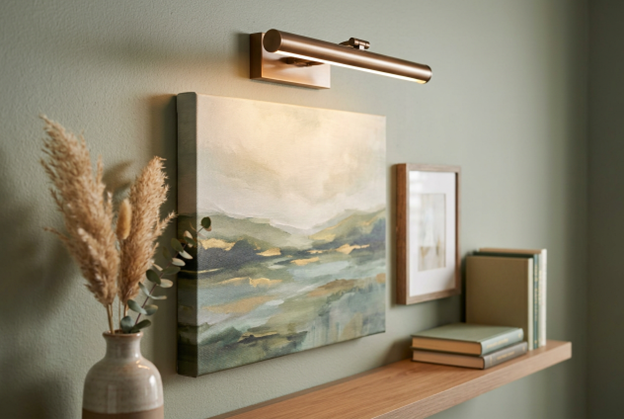
The right lighting transforms good arrangements into showstopping displays. Picture lights mounted above frames add gallery sophistication, while adjustable track lighting lets you highlight specific pieces. Avoid direct sunlight, which fades prints over time. Modern UV-resistant inks and protective coatings used in quality canvas prints can reduce fading, but indirect light is still best. LED options generate minimal heat and won't damage your canvas. Complement your arrangement with coordinating decor elements. A shelf below a gallery wall can hold small objects that echo the prints' colors or themes. Plants add life to any display without competing for attention.
Frequently Asked Questions
How far apart should canvas prints be hung?
Space canvas prints 2–5 inches apart, depending on your desired effect. Closer spacing creates visual unity, while wider gaps emphasize individual pieces. Maintain consistent spacing throughout your arrangement for professional results.
What is the best height to hang canvas prints?
Center your arrangement 57–60 inches above the floor for standing viewing areas. Lower this to 48–52 inches in seated spaces like dining rooms. Above furniture, maintain 6–12 inches between the top of the furniture and the bottom of the canvas.
Can I mix different canvas sizes in one arrangement?
Absolutely. Mixed-size arrangements create dynamic gallery walls that feel curated and personal. Maintain cohesion through consistent color palettes, subject matter, or frame finishes. Start with your largest piece and build outward.
How do I hang canvas prints without damaging walls?
Use adhesive strips rated for your canvas weight to hang without damage. These work well for lighter prints under 5 pounds. For heavier pieces, small nail holes are unavoidable but easily patched later.
Should canvas prints match my room's color scheme?
Your prints should complement your space without matching exactly. Pull accent colors from your decor or choose prints that provide intentional contrast. Complete matching often feels sterile rather than cohesive.
Creating Your Perfect Canvas Display
Arranging canvas prints on wall space becomes intuitive once you understand the underlying principles. Start with careful planning, choose an arrangement style that suits your space, follow spacing and height guidelines, and install with precision. The result transforms blank walls into personalized galleries that reflect your style and memories.
Ready to build your collection? CanvasChamp offers premium canvas prints at exceptional prices, with extensive customization options that make creating cohesive arrangements simple. Explore their selection to find pieces that bring your vision to life.