Free Shipping
 Extra Savings


How to Frame a Canvas Print: DIY Tips for a Gallery Look
Listen to Content
A canvas prints leaning against the wall looks unfinished, like a sentence without punctuation. The moment you add the right frame, everything changes. Colors pop, edges look intentional, and your wall transforms from casual display to curated gallery. Learning to frame a canvas print yourself saves money and gives you complete control over the final aesthetic. The process requires minimal tools, basic measuring skills, and about an hour of focused work. Whether you're showcasing family portraits, travel photography, or artwork from CanvasChamp, the right framing technique elevates your piece from nice to noteworthy. Most people assume professional framing is the only path to gallery-quality results, but that assumption costs them hundreds of dollars per piece. With the right approach, you can achieve that polished, museum-worthy look in your own workspace, and the satisfaction of doing it yourself adds another layer of meaning to the finished display.
Choosing the Right Frame Style for Your Canvas
Frame selection determines whether your canvas blends seamlessly into your space or becomes the focal point of the room. The style you choose should complement both the artwork and your existing décor without competing for attention.
The Modern Appeal of Floating Frames
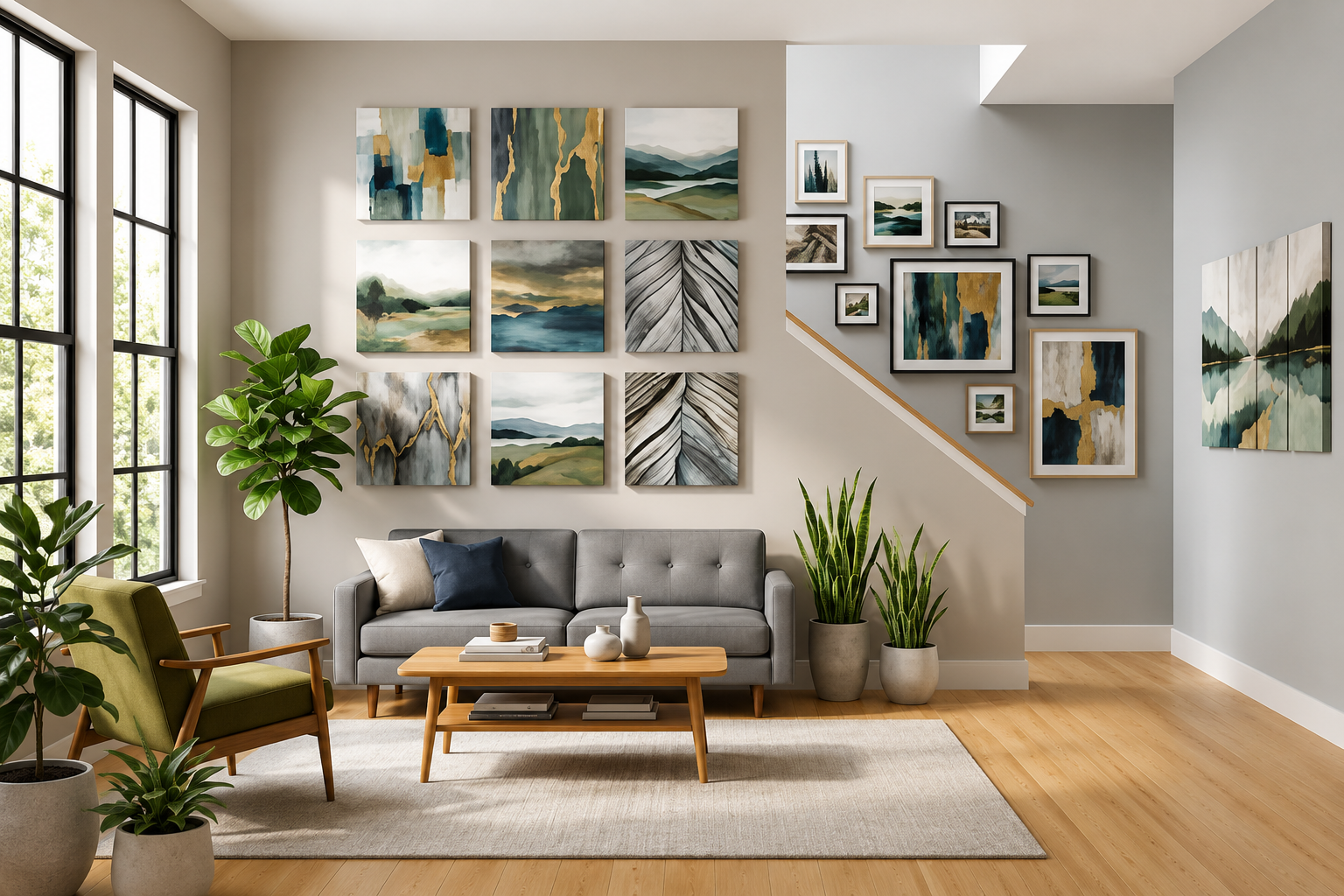
Floating frames create the illusion that your canvas hovers within the frame, with a visible gap between the artwork and the frame's inner edge. This contemporary style works exceptionally well with bold, graphic images and minimalist interiors. The shadow gap, typically measuring 1/8 to 1/4 inch, adds depth and draws the eye inward toward the image. Black, white, and natural wood floating frames suit most color palettes, making them a versatile choice for those building a cohesive gallery wall.
Traditional Wood and Decorative Moldings
Classic wood frames with ornate moldings suit traditional artwork, vintage photographs, and formal spaces like dining rooms or home offices. These frames typically feature detailed profiles, from simple bevels to elaborate carved patterns. Darker woods like walnut and mahogany convey sophistication, while lighter oak and maple create warmth. For canvas prints featuring landscapes or portraits, traditional frames establish a timeless quality that never feels dated.
Matching Frame Depth to Canvas Thickness
Standard canvas prints from CanvasChamp range from 0.75 inches to 1.5 inches deep. Your frame's inner depth must accommodate this thickness with room to spare for hardware. Measure your canvas depth before purchasing any frame, and add at least 1/4 inch for clearance. A frame that's too shallow forces the canvas to protrude awkwardly from the back, while excessive depth leaves the artwork recessed too far from the frame's face.
How to Stretch Canvas Prints onto a Frame
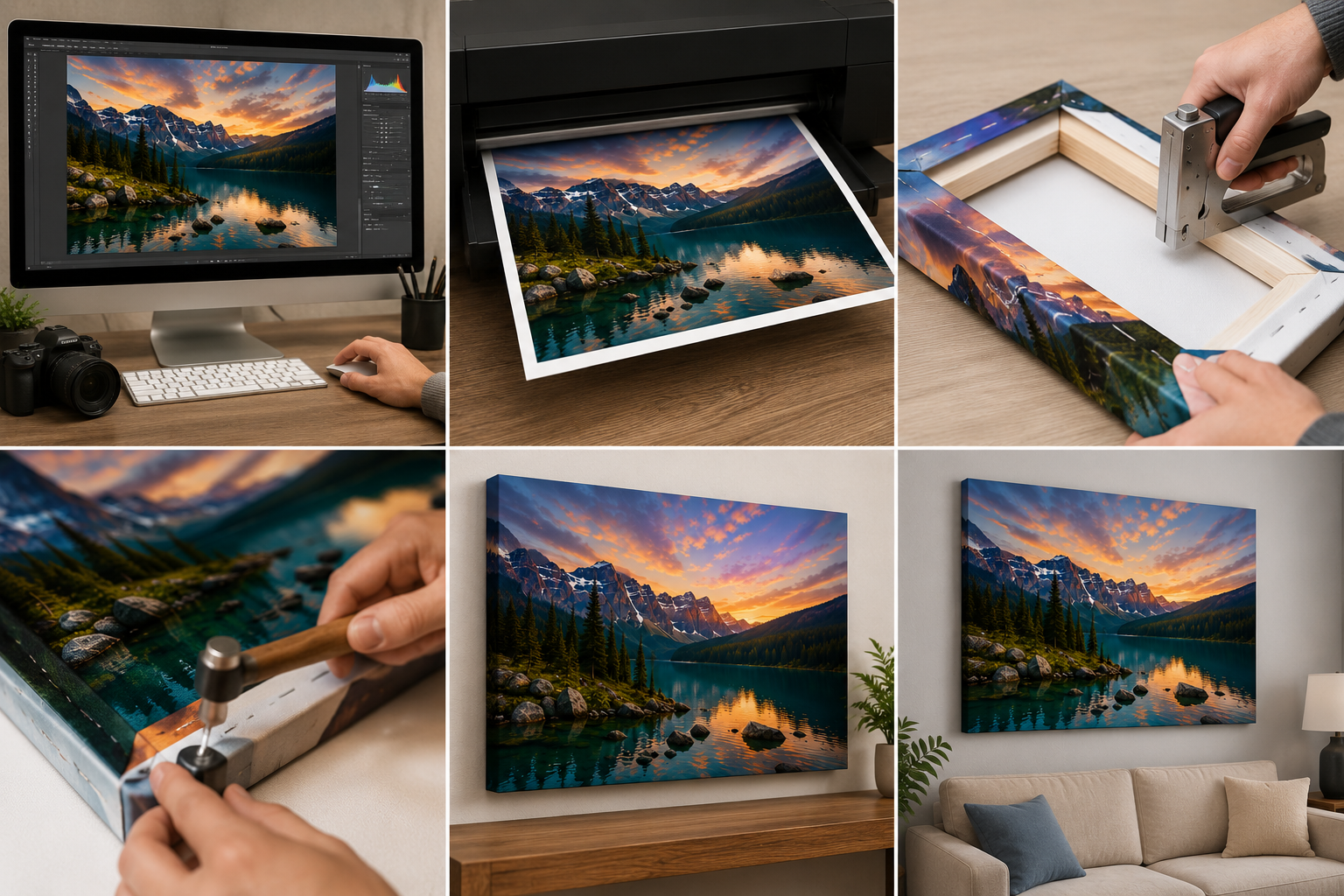
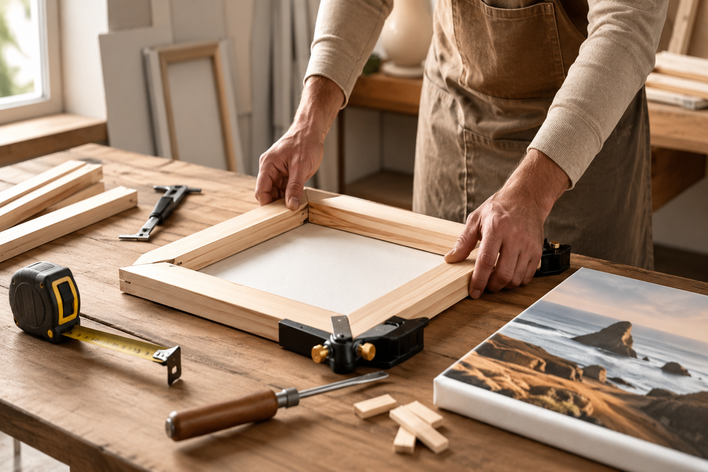
Stretching your canvas onto a frame is a key step if you’re starting with a rolled print rather than a pre-stretched one. The process is straightforward and gives you full control over the final tension and presentation. Begin by laying your canvas face down on a clean surface, then position your stretcher bars (or wooden frame) in the center. Fold one side of the canvas over the frame and secure it with a staple in the middle. Move to the opposite side, pull the canvas taut, and staple the center again. Repeat this process on the remaining two sides before working outward from the center, alternating sides to maintain even tension. Finish by neatly folding and stapling the corners for a clean, professional look.
The key is consistent tension; tight enough to remove wrinkles, but not so tight that it distorts the image. If you prefer to skip this step, CanvasChamp offers professionally stretched canvas prints that arrive ready to hang or frame, saving time while ensuring a smooth, gallery-quality finish. Whether you stretch it yourself or order it ready-made, starting with a high-quality print makes all the difference in the final result.
Essential Tools and Materials for DIY Framing
Gathering your supplies before starting prevents frustrating interruptions and ensures consistent results throughout the process.
Measuring Tools for Precision
A steel measuring tape provides accuracy for both canvas and frame dimensions. A carpenter's square ensures your corners align perfectly at 90 degrees, which matters significantly when centering the canvas within the frame. Mark measurements with a soft pencil that won't damage your materials. For floating frames, a set of small spacers or shims helps maintain consistent gaps on all four sides during installation.
Hardware: Offset Clips, Screws, and Wire
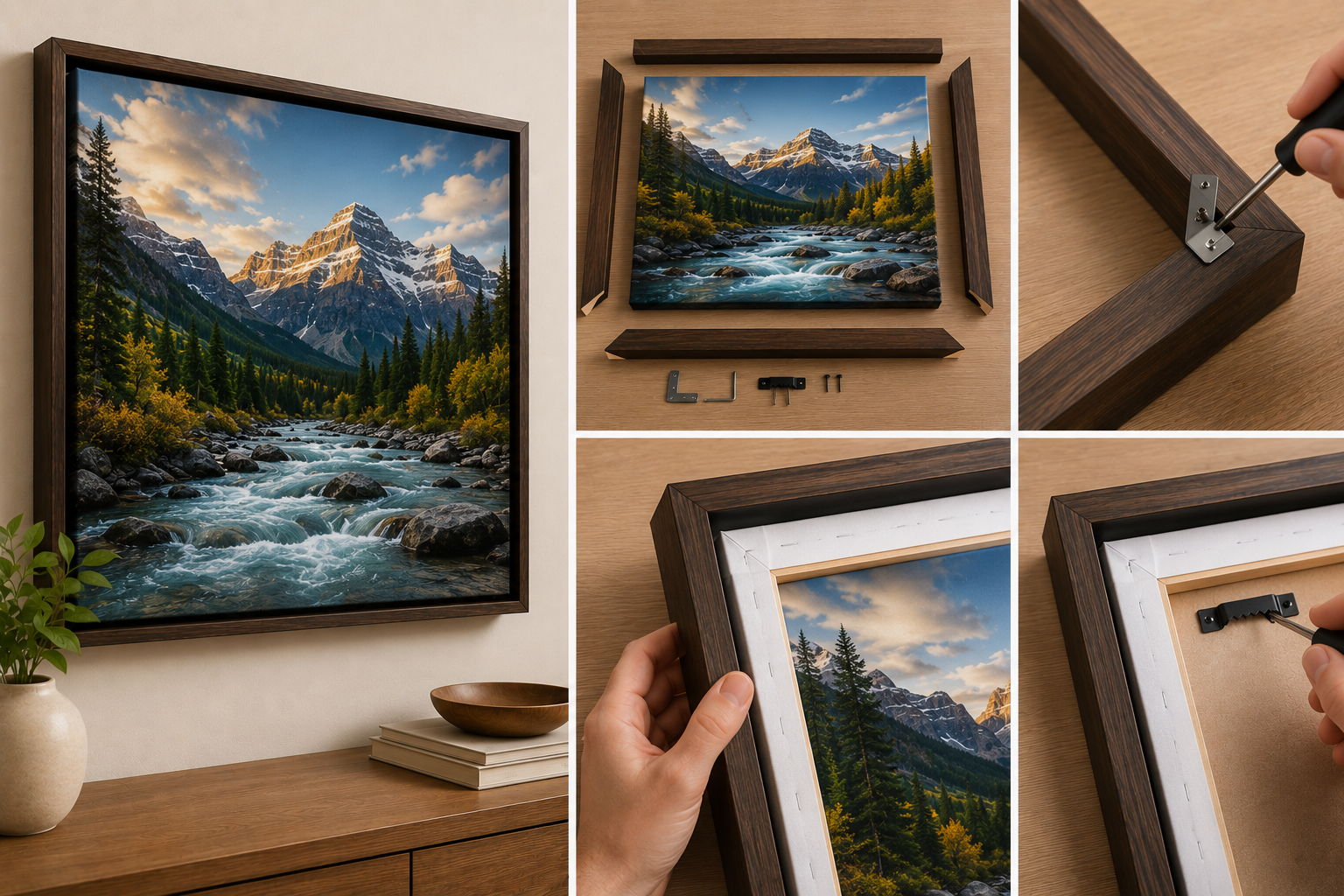
Offset clips are the workhorses of canvas framing, securing the stretcher bars to the frame without requiring nails or staples that could damage the canvas. Purchase clips rated for your canvas depth. You'll also need:
- Small screws appropriate for your frame material
- D-ring hangers for the frame's vertical sides
- Picture hanging wire rated for your frame's total weight
- A screwdriver or drill with appropriate bits
- Felt wall bumpers
Step-by-Step Guide to Securing the Canvas
The actual framing process follows a logical sequence that protects your canvas while ensuring secure attachment.
Cleaning and Preparing the Print
Dust and debris trapped between the canvas and frame become permanent fixtures once everything is assembled. Wipe the canvas surface gently with a microfiber cloth, moving in one direction rather than circular motions. Inspect the stretcher bars for splinters or rough spots that might snag the frame interior. Clean the frame's inner surfaces as well, removing any sawdust or packaging residue.
Centering the Canvas Within the Frame
Place the frame face down on a clean, padded surface. Position your canvas face down inside the frame, adjusting until the gaps between the canvas edge and frame interior appear equal on all four sides. For floating frames, use your spacers to maintain a consistent reveal around the entire perimeter. Take your time here, as even small misalignments become obvious once the piece hangs on your wall.
Attaching Hardware Without Damaging the Stretcher Bars
Position offset clips along each side of the stretcher bars, spacing them evenly. Most canvases require two clips per side for secure attachment. Mark screw positions with a pencil, then drill pilot holes to prevent the wood from splitting. Drive screws slowly and stop the moment the clip sits flush against the stretcher bar. Over-tightening warps the frame and creates pressure points on the canvas.
Achieving a Professional Gallery Finish
The back of your framed canvas reveals your attention to detail. Professional framers never skip these finishing touches.
Adding a Dust Cover to the Back
A paper or fabric dust cover seals the back of the frame, preventing insects, dust, and moisture from reaching the canvas. Cut kraft paper or archival backing paper slightly larger than the frame's exterior dimensions. Apply double-sided tape around the frame's back edge, then press the paper firmly into place. Trim excess paper with a sharp blade, keeping the cut line about 1/8 inch inside the frame edge for a clean appearance.
Installing Wall Bumpers for Airflow
Self-adhesive felt bumpers serve two purposes: they protect your wall from scratches and create a small air gap that prevents moisture buildup behind the frame. Place one bumper at each bottom corner of the frame. This slight tilt also helps the frame hang straight rather than tilting forward from the wall.
Best Practices for Hanging and Maintenance
Proper hanging technique preserves your work and keeps the frame level for years. Install D-ring hangers about one-third down from the top of the frame on each vertical side. Thread picture wire through both rings, leaving enough slack to create a peak that reaches about two inches below the frame's top edge when pulled taut.
Use appropriate wall anchors for your wall type, whether drywall, plaster, or masonry. A single hook works for lighter pieces, but frames weighing more than 15 pounds benefit from two hooks spaced several inches apart. Check your frame's level immediately after hanging and adjust as needed.
For ongoing maintenance, dust your framed canvas monthly with a soft brush or microfiber cloth. Avoid hanging canvas prints in direct sunlight, which fades colors over time. Temperature and humidity fluctuations can cause canvas and wood materials to expand or contract, so maintaining stable indoor conditions between 40–60% relative humidity and 65–75°F provides the best long-term preservation.
Frequently Asked Questions
Can I frame a gallery-wrapped canvas that's already displayed without a frame?
Absolutely. Gallery-wrapped canvases with finished edges work beautifully in floating frames, which showcase the wrapped sides as part of the design. Traditional frames with deeper profiles also accommodate gallery wraps when the interior dimensions allow.
What's the best frame color for a colorful canvas print?
Neutral frames, including black, white, gray, and natural wood tones, let vibrant artwork take center stage. Match undertones rather than specific colors: warm-toned images pair well with honey-colored wood, while cool-toned pieces suit gray or black frames.
How do I know if my frame is strong enough for my canvas?
Weigh your canvas and ensure your hanging hardware exceeds that weight rating by at least 50 percent. Heavier canvases require frames with substantial construction and multiple attachment points.
Should I use glass with a framed canvas?
Canvas prints typically don't require glass because the texture is part of the appeal. However, if displaying in areas with high humidity or pollutants, consider using UV-protective acrylic glazing installed slightly above the canvas surface to reduce fading and environmental damage.
Transform Your Space with Custom Canvas Art
Framing your own canvas prints delivers gallery-quality results without gallery prices. The skills you develop apply to every future piece, making this a worthwhile investment of your time. For stunning canvas prints worth framing, CanvasChamp offers premium quality at exceptional prices, with options ranging from classic wraps to unique formats. Their 100% satisfaction guarantee means you can order with confidence, knowing your memories will arrive ready for your newly mastered framing skills.