Free Shipping
 Extra Savings


Canvas Tiles: Modular Art for Customizable Walls
Listen to Content
A blank wall holds potential, but traditional framed art demands commitment. Nail holes, precise measurements, and the nagging suspicion that you've hung something crooked: these frustrations have plagued homeowners for generations. Canvas tiles represent a fundamental shift in how we approach wall decor, offering modular art pieces that can be arranged, rearranged, and expanded without the permanence of conventional hanging methods. This flexibility appeals to renters, frequent redecorators, and anyone who has ever stared at a freshly painted wall, wondering where to begin. The concept is simple: individual canvas panels that connect or stand alone, creating customizable walls that evolve with your taste, your space, and your life. Whether you're displaying family photographs, abstract designs, or panoramic landscapes split across multiple pieces, these modular systems put creative control directly in your hands. The question isn't whether wall art matters, but rather how to make it work for spaces that refuse to stay static.
The Evolution of Wall Decor: From Fixed Frames to Canvas Tiles
Traditional wall art operated on a simple premise: find a spot, hammer a nail, hang a frame, and hope you measured correctly. For decades, this approach worked well enough, though it left little room for experimentation. The cost of mistakes, both financial and aesthetic, kept many people from taking risks with their decor.
Canvas tiles emerged as a response to these limitations. By breaking large images into smaller, manageable pieces, manufacturers created a system that encourages experimentation rather than punishing it. The modular approach means a single purchase can serve multiple purposes: today's living room centerpiece becomes tomorrow's hallway accent, all without patching holes or repainting.
What Defines a Modular Canvas Tile?
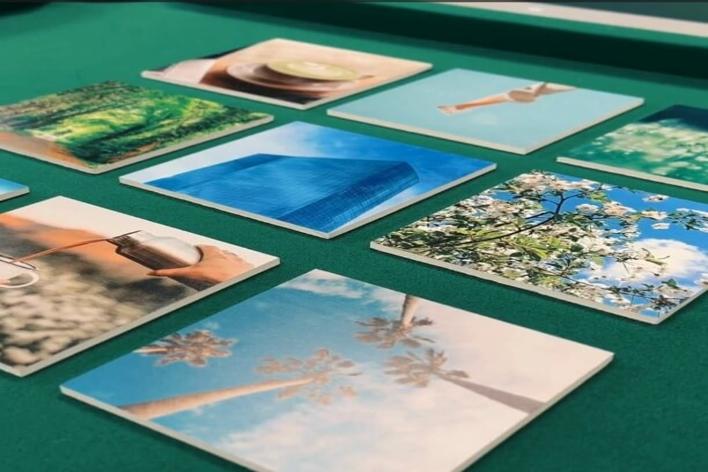
A canvas tile typically measures between 8x8 inches and 12x12 inches, though sizes vary by manufacturer. Each piece features a printed image on stretched canvas material, mounted on a lightweight frame. The key distinction from traditional canvas prints lies in the connection system: tiles are designed to work together, creating larger compositions from individual units.
Some systems use interlocking mechanisms, while others rely on precise spacing guidelines. At CanvasChamp, customers can create custom tile sets from personal photographs, ensuring each piece coordinates perfectly with the others. This customization extends beyond image selection to include finish options, frame depths, and surface textures.
The Rise of Damage-Free Hanging Technology
The popularity of canvas tiles coincides with advances in adhesive technology. Command strips, velcro mounting systems, and specialized canvas hangers have eliminated the need for nails in most applications. These damage-free options hold significant weight while allowing clean removal, making them ideal for rental properties and commitment-averse decorators.
Modern mounting solutions support tiles weighing up to about four pounds each, more than sufficient for standard canvas pieces. The combination of lightweight construction and strong adhesives means even large multi-tile arrangements stay secure without permanent wall damage.
Benefits of Choosing Modular Art Systems
The practical advantages of canvas tile systems extend beyond simple aesthetics. These benefits compound over time, making modular art a smart investment for anyone who values flexibility in their living spaces.
Endless Reconfigurability for Changing Spaces
Life changes, and rooms change with it. A nursery becomes a child's bedroom, then a teenager's retreat, then a home office. Traditional art often gets boxed up during these transitions, replaced by something more appropriate for the room's new purpose.
Canvas tiles adapt instead of retiring. A whimsical arrangement of family photos can be reorganized into a more sophisticated grid pattern. Seasonal rotations become feasible: bright summer scenes in warm months, cozy winter imagery when temperatures drop. The same tiles serve multiple purposes across years of use.
Cost-Effective Scaling of Art Collections
Building an art collection traditionally required significant upfront investment. A large statement piece for a living room might cost hundreds of dollars, and if your taste changed, that money would be essentially lost.
Modular systems allow incremental purchasing. Start with four tiles, add two more next month, and expand again when the budget allows. This approach spreads costs over time while building toward a larger vision. CanvasChamp's pricing structure supports this gradual approach, with individual tiles priced affordably enough to encourage ongoing collection building.
Lightweight Design and Ease of Installation
A single person can install an entire canvas tile gallery in under an hour. The lightweight construction, typically under one pound per tile, eliminates the need for heavy-duty hardware or professional assistance. Leveling tools and measuring tapes help, but even imprecise placement looks intentional with modular arrangements.
This accessibility democratizes wall decor. You don't need tools, expertise, or a helper to transform a blank wall into a personalized gallery.
Creative Layout Strategies for Your Home
The arrangement possibilities with canvas tiles are genuinely unlimited, but certain patterns have proven particularly effective across different spaces and styles.
The Geometric Grid: Symmetry and Order
A perfectly aligned grid of matching-size tiles creates visual calm. This approach works especially well in modern or minimalist spaces where clean lines dominate. The key is precise spacing: equal gaps between all tiles, perfectly level rows, and careful attention to the overall shape of the arrangement.
Grid layouts excel with cohesive color palettes or images that share visual themes. A series of black-and-white family portraits, for instance, gains impact through repetition and alignment.
The Organic Flow: Asymmetrical Storytelling
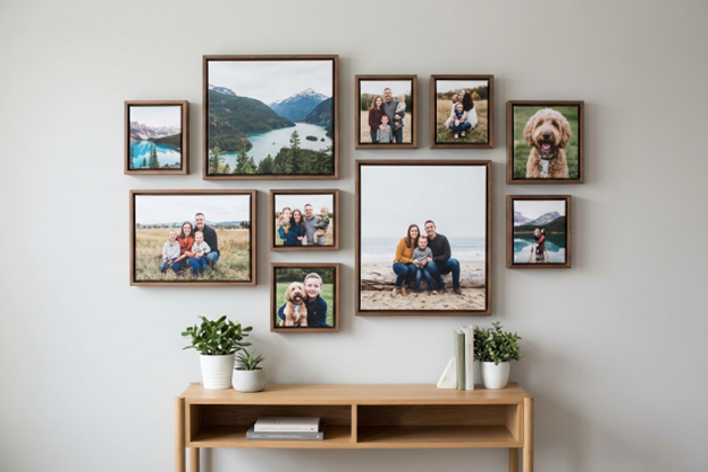
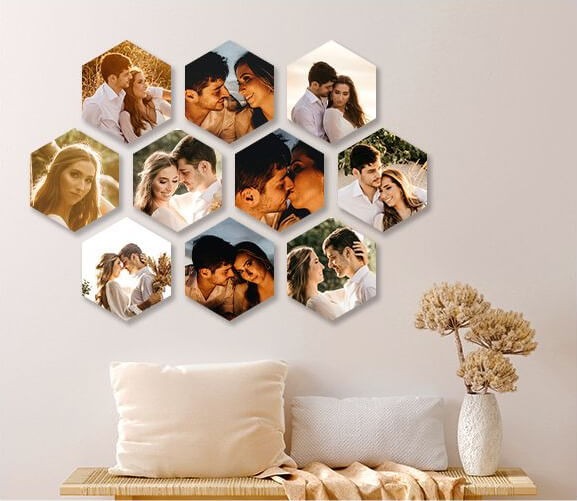
Not every arrangement needs mathematical precision. Asymmetrical layouts feel more casual and personal, mimicking the organic way memories accumulate over time. Mix tile sizes if your system allows, vary spacing between pieces, and let the arrangement breathe.
This approach suits eclectic interiors and spaces where rigid formality would feel out of place. The trick is achieving intentional asymmetry rather than accidental chaos: plan the layout on the floor before committing to the wall.
The Panoramic Split: One Image Across Multiple Tiles
A single photograph or artwork divided across multiple tiles creates a dramatic impact. Landscape images work particularly well, with horizons stretching across an entire wall. The small gaps between tiles add visual interest without disrupting the overall image.
This technique transforms ordinary photographs into gallery-worthy installations. A vacation sunset, a cityscape, or even a beloved pet portrait gains a new dimension when scaled across multiple panels.
Practical Considerations for Longevity and Style
Modular art systems require some maintenance consideration to ensure lasting beauty and structural integrity.
Selecting the Right Material and Finish
Canvas finishes range from matte to high-gloss, with semi-gloss offering a middle ground that works well in most lighting conditions. Matte finishes reduce glare and suit photographs with subtle tonal variations. Glossy finishes pop with vibrant colors, but may reflect light sources distractingly.
Material quality matters for longevity. Premium canvas resists fading from UV exposure and maintains tension on the frame over the years of display. Lower-quality canvas materials may loosen or yellow over time, especially in direct sunlight or humid environments.
Maintenance and Cleaning of Canvas Surfaces
Dust accumulates on any wall-mounted surface. A soft, dry microfiber cloth removes most debris without damaging the canvas. Avoid wet cleaning unless absolutely necessary, and never use harsh chemicals or abrasive materials.
For stubborn spots, a barely damp cloth with gentle pressure usually suffices. Allow tiles to dry completely before rehanging to prevent moisture damage to both the canvas and the mounting surface.
Frequently Asked Questions
How do canvas tiles differ from traditional canvas prints?
Canvas tiles are smaller, standardized pieces designed to work together in modular arrangements. Traditional canvas prints are single, fixed-size pieces meant to hang independently. Tiles offer reconfigurability that standard prints cannot match.
Can canvas tiles be used in humid environments like bathrooms?
Most canvas materials tolerate moderate humidity, but prolonged exposure to moisture can damage both the canvas and mounting adhesives. Well-ventilated bathrooms may be suitable for limited use, but areas with direct steam exposure, such as near showers, should be avoided to prevent warping or adhesive failure.
How many tiles do I need for a typical living room wall?
This depends on wall size and desired coverage. A focal point arrangement might use 6-9 tiles, while a statement wall could require 20 or more. Start smaller and expand based on how the space feels.
Do canvas tiles work on textured walls?
Adhesive mounting systems perform best on smooth surfaces. Heavily textured walls may require alternative hanging methods or may not hold tiles securely. Test a single tile before committing to a full arrangement.
Transforming Spaces with Personalized Tile Galleries
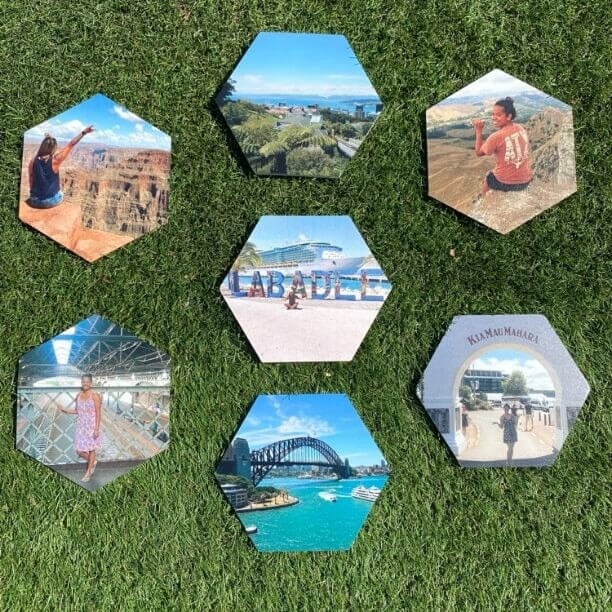
The true power of canvas tiles lies in personalization. Generic art decorates a room; personalized art transforms it into a reflection of the people who live there. Family photographs, travel memories, children's artwork, and meaningful quotes all translate beautifully to the canvas tile format.
Creating a cohesive gallery from personal images requires some planning. Consider color consistency across photographs, the emotional tone you want to establish, and how individual images will interact when placed adjacent to each other. Many customers find that editing photos with similar filters or converting them all to black-and-white creates visual unity.
For those ready to explore modular wall art, CanvasChamp offers extensive customization options at competitive prices, with a 100% satisfaction guarantee.