Free Shipping
 Extra Savings


Long Canvas Prints: Creative Display Ideas for Wide Spaces
Listen to Content
The Visual Impact of Panoramic and Long Canvas Prints
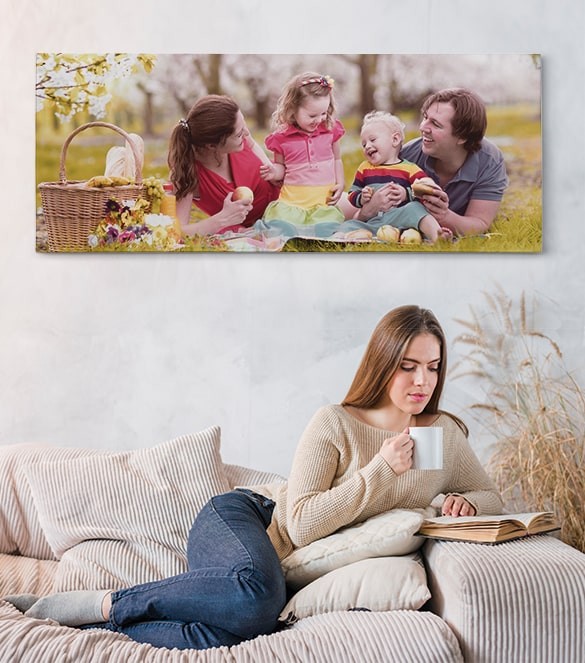
Wide-format artwork commands attention in ways that standard prints simply cannot. A long canvas print spanning an expansive wall creates an immediate focal point, drawing the eye horizontally and establishing a visual rhythm throughout the room. These panoramic pieces work particularly well in contemporary homes, where open floor plans and minimal furniture leave generous wall space that begs for statement art. The psychology behind this is straightforward: horizontal lines suggest stability, calm, and openness, making elongated canvas displays ideal for living areas where relaxation matters. When you're exploring creative display ideas for wide spaces, understanding the unique properties of panoramic formats helps you make smarter decisions about placement, subject matter, and overall design impact.
Defining Wide-Format Canvas Dimensions
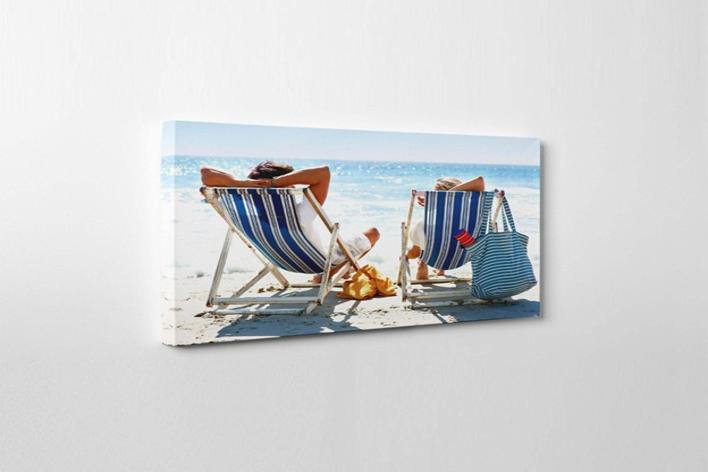
Wide-format canvas prints typically feature aspect ratios of 2:1 or greater, with popular sizes ranging from 12x36 inches to massive 24x72 inch installations. The defining characteristic is a width that exceeds height by at least double, creating that distinctive panoramic effect. Standard canvas prints hover around 3:4 or 4:5 ratios, making wide-format pieces a deliberate departure from conventional wall art.
How Horizontal Orientation Influences Room Perception
Horizontal artwork visually widens a room, making spaces feel more expansive than they actually are. This optical illusion occurs because the eye follows the longest line in any composition, and a wide canvas guides that movement laterally rather than vertically. Rooms with low ceilings benefit enormously from this effect, as horizontal art de-emphasizes ceiling height while emphasizing floor area.
Strategic Placement for Expansive Wall Spaces
Choosing the right location for long canvas prints determines whether they enhance or overwhelm your interior design. The key is matching print dimensions to wall proportions while maintaining comfortable viewing distances.
Anchoring Furniture: Sofas, Headboards, and Sideboards
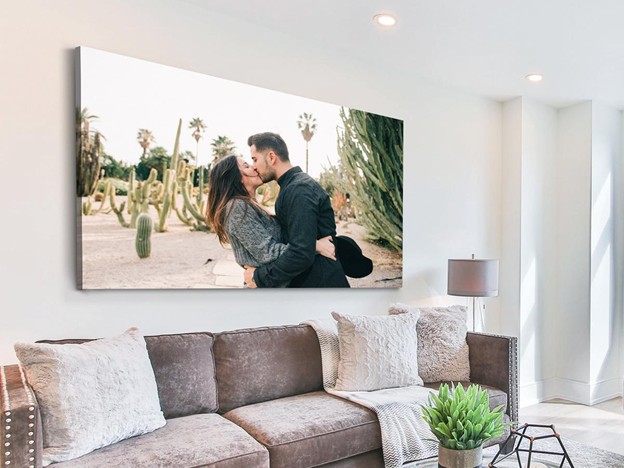
The rule of thumb for furniture anchoring suggests artwork should span 50-75% of the furniture piece below it. A 96-inch sofa pairs beautifully with a 60-72-inch-wide canvas, creating visual balance without competing elements. Hang the print 6-12 inches above the furniture back, centering it precisely. Bedroom headboards follow similar guidelines, though you can push closer to 80% coverage for dramatic effect. Sideboards and console tables in entryways or dining rooms offer excellent opportunities for long prints, as these lower furniture pieces naturally direct the eye upward.
Transforming Long Hallways into Art Galleries
Hallways represent underutilized real estate in most homes. A series of long canvas prints spaced evenly along a corridor creates gallery-style impact, transforming a transitional space into a destination. Keep prints at consistent heights, with centers approximately 57 to 60 inches from the floor, matching museum standards. Narrow hallways benefit from smaller-scale panoramic pieces to prevent the tunnel effect, while wider corridors can accommodate larger formats.
Utilizing Awkward Spaces Above Staircases and Windows
Staircase walls present unique challenges due to their angular nature, but long canvas prints can follow the ascending line beautifully. Position artwork parallel to the stair slope, maintaining consistent spacing from the steps. Above windows, horizontal prints fill the dead space that traditional artwork cannot address. Measure carefully here, ensuring prints don't extend beyond the window trim on either side.
Innovative Layouts and Multi-Panel Configurations
Single panoramic prints make bold statements, but multi-panel arrangements offer flexibility and visual intrigue that solid pieces cannot match.
The Triptych Approach: Splitting One Image Across Three Frames
Triptychs divide a single photograph or artwork into three separate canvases hung with 2-3 inch gaps between panels. This technique adds dimension and contemporary flair while allowing the image to breathe. The gaps create visual pauses that engage viewers more actively than continuous prints. When ordering triptychs from CanvasChamp, ensure the splitting occurs at logical points in the image, avoiding awkward breaks through faces or key subjects.
Linear Series: Connecting Multiple Subjects in a Row
Unlike triptychs, linear series feature distinct but thematically connected images displayed horizontally. Four beach photographs from different angles, six architectural details from a favorite city, or a progression of seasonal landscapes all work wonderfully in this format. Maintain identical frame sizes and consistent spacing for cohesive presentation.
Design Themes That Excel in Wide Formats
Certain subjects translate better to panoramic formats than others. Understanding which themes maximize horizontal space helps you select or photograph images that truly shine.
Sweeping Nature Landscapes and City Skylines
Mountain ranges, ocean horizons, and desert vistas naturally suit wide formats because these scenes extend horizontally in real life. City skylines capture urban energy across their full breadth, with iconic buildings anchoring the composition. Sunrise and sunset photographs particularly excel, as the color gradients span the entire canvas width.
Abstract Flow and Minimalist Line Art
Abstract art featuring flowing lines, color gradients, or organic shapes translates beautifully to elongated canvases. The extended format allows patterns to develop and evolve across the piece, creating movement and energy. Minimalist line art, popular in contemporary design, uses negative space effectively in wide formats, with simple marks gaining significance against expansive backgrounds.
Chronological Photo Timelines and Family Narratives
Family photographs arranged chronologically across multiple panels tell visual stories that single images cannot convey. Wedding day sequences, childhood progression photos, or travel memories gain narrative power through horizontal arrangement. These personalized displays transform generic wall space into meaningful family galleries.
Technical Considerations for High-Quality Large Prints
Large-format printing demands attention to technical specifications that smaller prints can forgive. Investing in quality at this scale prevents disappointment with pixelated or poorly finished results.
Resolution Requirements for Over-Sized Canvases
Professional-quality large prints require a minimum 100–150 DPI at final print size, with 300 DPI preferred for optimal sharpness. A 24x72 inch print at 150 DPI needs an original image of at least 3,600 x 10,800 pixels. Smartphone cameras from the past five years typically produce sufficient resolution for prints up to 24 inches wide, but larger formats may require professional photography or high-resolution stock images.
CanvasChamp's online tools automatically flag low-resolution uploads before printing.
Frame Depth and Edge Wrap Styles
Canvas depth affects visual presence: a 0.75-inch standard depth suits smaller prints, while a 1.5-inch gallery depth is recommended for panoramic pieces. Gallery depth creates shadow lines that add dimensionality and a professional gallery appearance. Edge wrap options include mirrored edges, solid color borders, or image continuation, each creating distinct aesthetic effects.
Lighting Techniques to Prevent Glare and Shadows
Position lighting sources at approximately 30–45-degree angles from the canvas surface to minimize glare while maximizing color vibrancy. Track lighting or picture lights work well for focused illumination. Avoid placing long canvas prints directly opposite windows, as natural light creates inconsistent exposure across the print's width throughout the day.
Frequently Asked Questions
What is the ideal height for hanging long canvas prints?
Center your artwork at 57 to 60 inches from the floor, the standard gallery height range. When hanging above furniture, maintain 6-12 inches between the furniture top and the canvas bottom.
Can I create custom long canvas prints from my own photographs?
Absolutely. CanvasChamp accepts uploaded images and offers extensive customization options for size, depth, and edge treatment.
How do I clean large canvas prints?
Use a soft, dry microfiber cloth or feather duster. Avoid water or cleaning solutions, which can damage the print surface and canvas material.
What wall types support heavy panoramic prints?
Drywall requires proper anchors rated for your print's weight. Studs provide the most secure mounting for prints exceeding 15 pounds.
Making Your Wide Spaces Work Harder
Long canvas prints transform empty walls into compelling visual experiences that reflect your personal style and memories. The combination of proper sizing, strategic placement, and quality printing creates an impact that standard artwork cannot achieve. For stunning custom canvas prints that bring your panoramic visions to life, explore CanvasChamp's extensive options with their Best Price Guarantee. Shop now to discover how affordable personalized wall art can be.