Free Shipping
 Extra Savings


Wood Framed Canvas Prints: A Touch of Rustic Elegance
Listen to Content
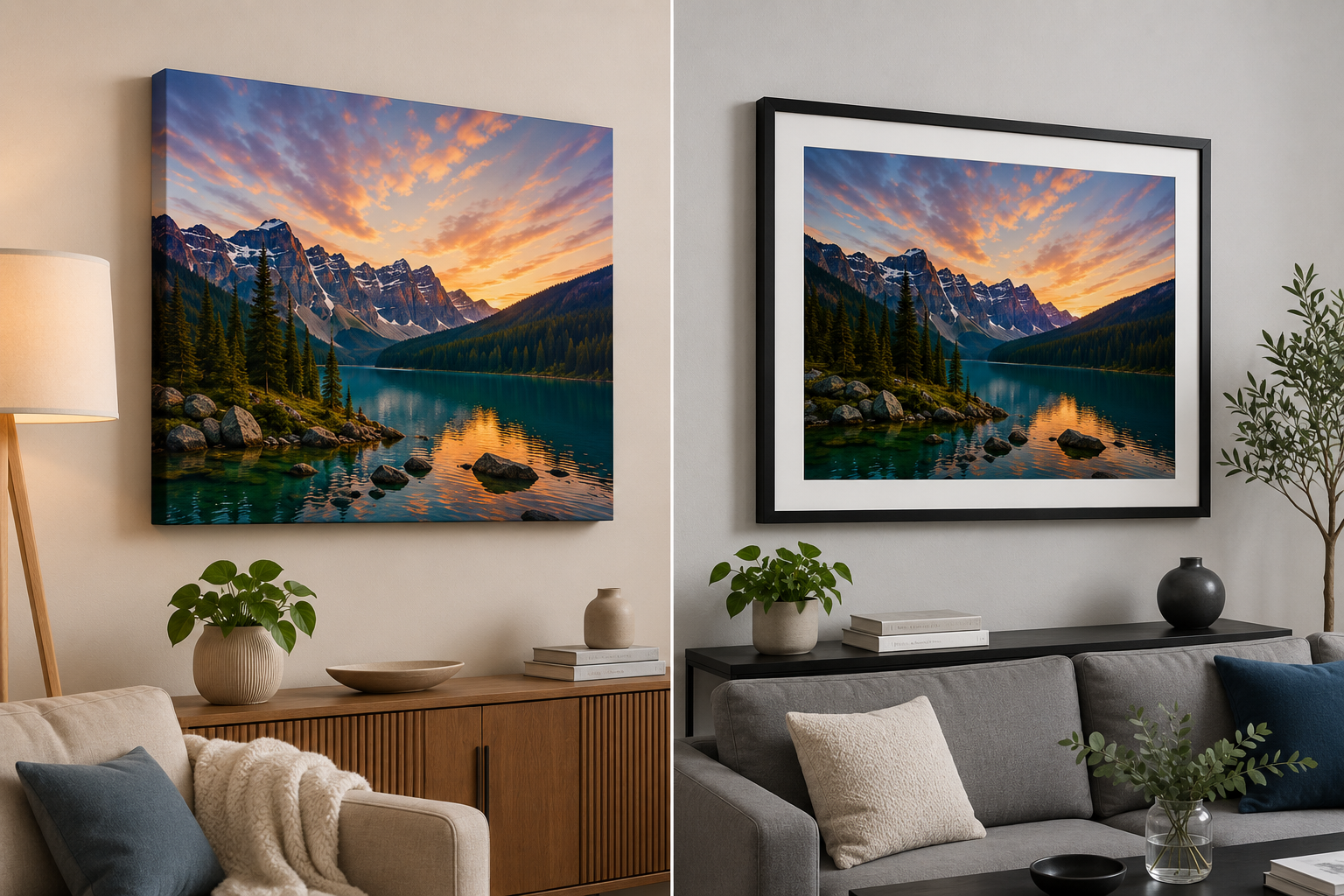
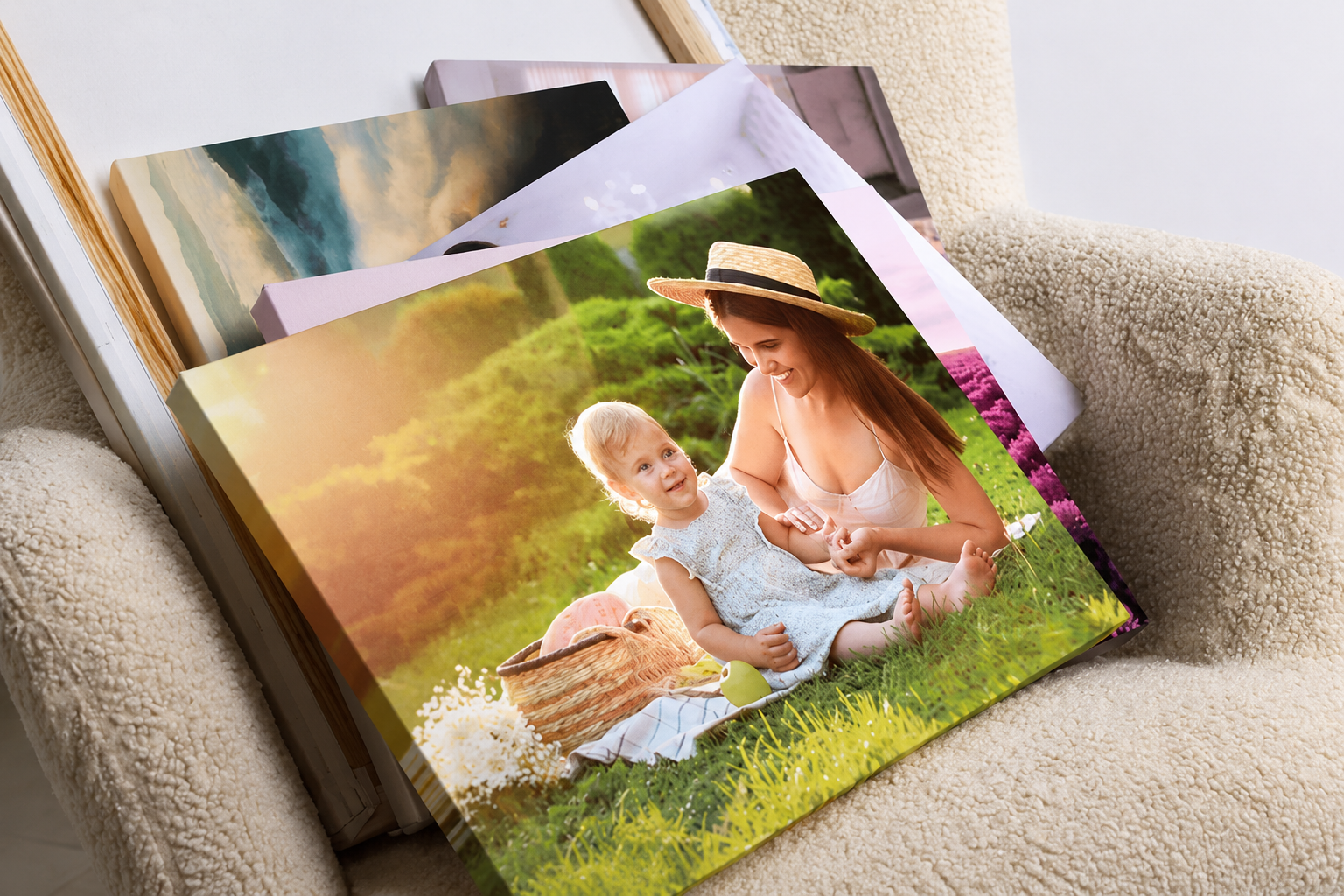
There's something undeniably captivating about artwork that feels both timeless and intentional. Wood-framed canvas prints bring a touch of rustic elegance to any space, combining the warmth of natural materials with the crisp vibrancy of modern printing technology. Unlike standard gallery-wrapped canvases that can feel unfinished or sterile, metal frames that lean too contemporary, wood frames strike a balance that works across nearly every design aesthetic. The grain patterns, natural color variations, and tactile quality of real wood create visual interest that synthetic alternatives simply cannot replicate. Whether you're displaying a treasured family photograph, a landscape that reminds you of a favorite vacation, or abstract art that anchors your living room, the right wooden frame transforms a simple print into a statement piece. This combination has surged in popularity among homeowners and interior designers alike, and for good reason: it delivers gallery-quality presentation at accessible price points while offering durability that protects your investment for many years with proper care.
The Timeless Appeal of Wood-Framed Canvas Prints
Bridging Modern Art and Traditional Texture
The marriage of canvas printing technology with traditional wood framing creates a unique aesthetic tension that works remarkably well. High-resolution digital printing delivers color accuracy and detail that rivals high-end fine art reproductions, while the organic imperfections of natural wood ground that modernity in something familiar and warm.
This combination resonates particularly well in homes that blend design eras, where mid-century furniture might sit alongside farmhouse accents or industrial lighting fixtures. The wood frame serves as a bridge between these elements, providing visual cohesion without demanding attention away from the artwork itself.
Why Natural Wood Enhances Visual Depth
Wood frames add a three-dimensional quality that flat-mounted prints lack. The shadow created between the frame edge and the canvas surface draws the eye inward, creating a subtle depth effect that makes images appear more immersive. Different wood species contribute their own character: lighter woods like pine or birch create an airy, Scandinavian feel, while darker options like mahogany or espresso-stained oak add gravitas and formality. The frame becomes part of the composition rather than merely a boundary around it.
Choosing the Right Frame Style for Your Decor
Rustic Reclaimed Wood for Farmhouse Vibes
Reclaimed wood frames carry history in their weathered surfaces, nail holes, and uneven patina. These frames pair exceptionally well with black-and-white photography, vintage-inspired prints, or nature scenes that echo the wood's organic origins. For authentic farmhouse or cottage aesthetics, look for frames with visible grain, slight warping, or deliberate distressing. The imperfections aren't flaws: they're features that tell a story and prevent your space from looking too curated or catalog-perfect.
Sleek Floating Frames for Contemporary Spaces
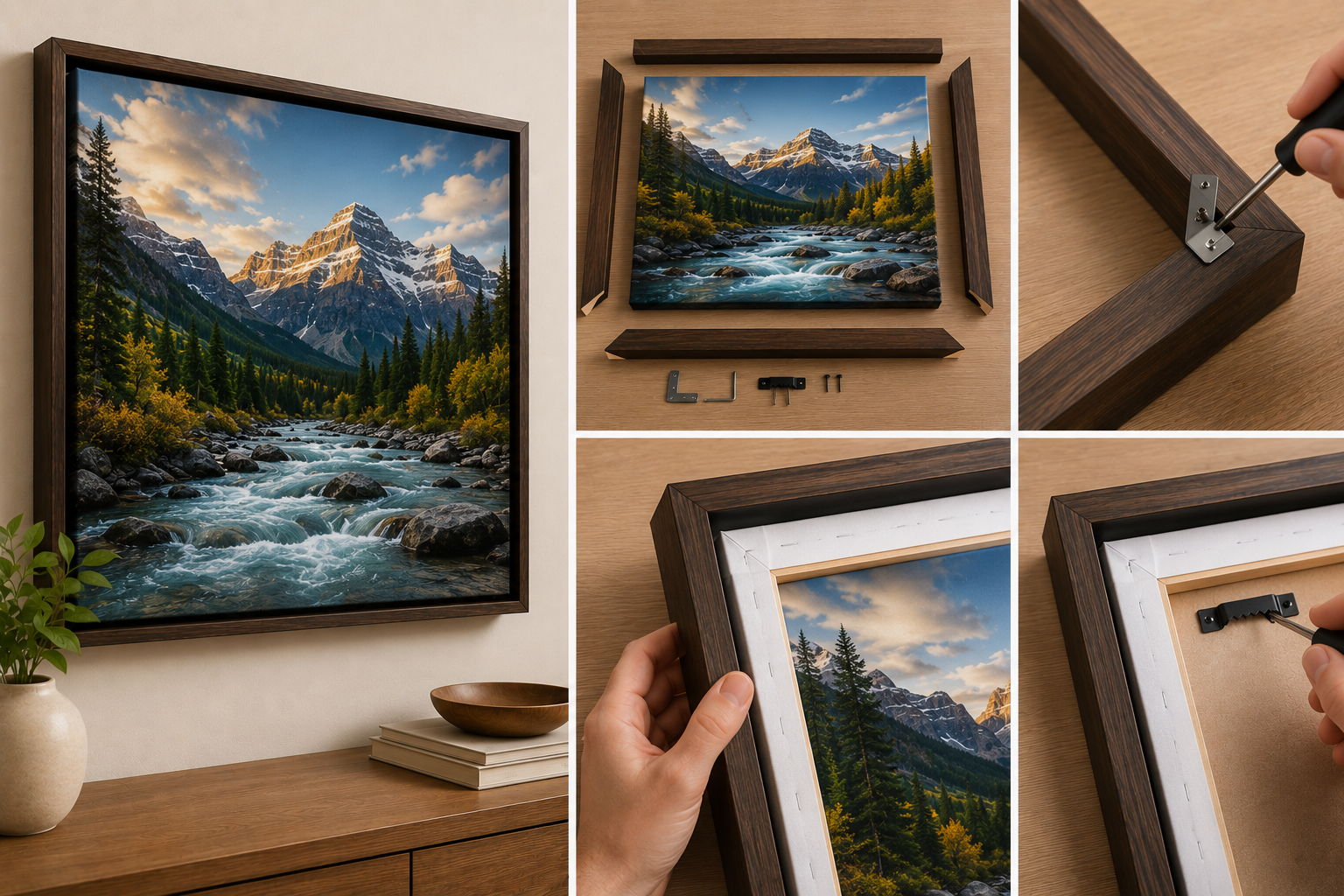
Floating frames create the illusion that your canvas hovers within the wooden border, with a visible gap between the print edge and the frame interior. This modern approach works particularly well for minimalist interiors, photography with strong geometric compositions, or artwork with important edge details you don't want obscured. The clean lines of a floating frame in natural walnut or light ash complement contemporary furniture without competing for visual attention.
Classic Oak and Walnut Tones
Traditional oak and walnut frames remain popular for good reason: their warm mid-tones complement virtually any color palette and photograph subject matter. Oak's prominent grain adds texture without overwhelming delicate images, while walnut's rich chocolate tones create sophisticated contrast against lighter walls. These classic options work equally well in traditional living rooms, transitional spaces, or even modern contexts where you want a single warm accent.
Durability and Protection Benefits
Preventing Canvas Warping and Sagging
Canvas material naturally responds to humidity changes, expanding and contracting with environmental shifts. Over time, unframed canvases can develop visible sagging or corner warping that diminishes the professional appearance of your print. A properly constructed wood frame maintains consistent tension across the canvas surface, preventing these issues in most indoor environments when humidity and temperature are reasonably controlled. The frame's rigid structure also prevents the stretcher bars from twisting or bowing under their own weight.
Edge Protection Against Dust and Impact
The exposed edges of gallery-wrapped canvases collect dust and remain vulnerable to scuffs, tears, and pet damage. Wood frames create a protective barrier that shields these vulnerable areas while also simplifying cleaning. A quick dusting of the frame surface is far easier than carefully cleaning textured canvas edges. For homes with children or pets, this practical benefit often matters as much as the aesthetic advantages.
Placement Tips for Maximum Impact
Creating a Focal Point in Living Rooms
A single large wood-framed canvas print positioned above a sofa or fireplace mantel anchors a room's visual hierarchy. For maximum impact, choose a frame width proportional to the canvas size: narrow frames for smaller prints, substantial frames for large statement pieces. The bottom edge of your artwork should sit approximately 6-8 inches above furniture backs to create a visual connection without crowding. Consider how natural and artificial lighting will interact with your piece throughout the day.
Gallery Wall Arrangements with Mixed Textures
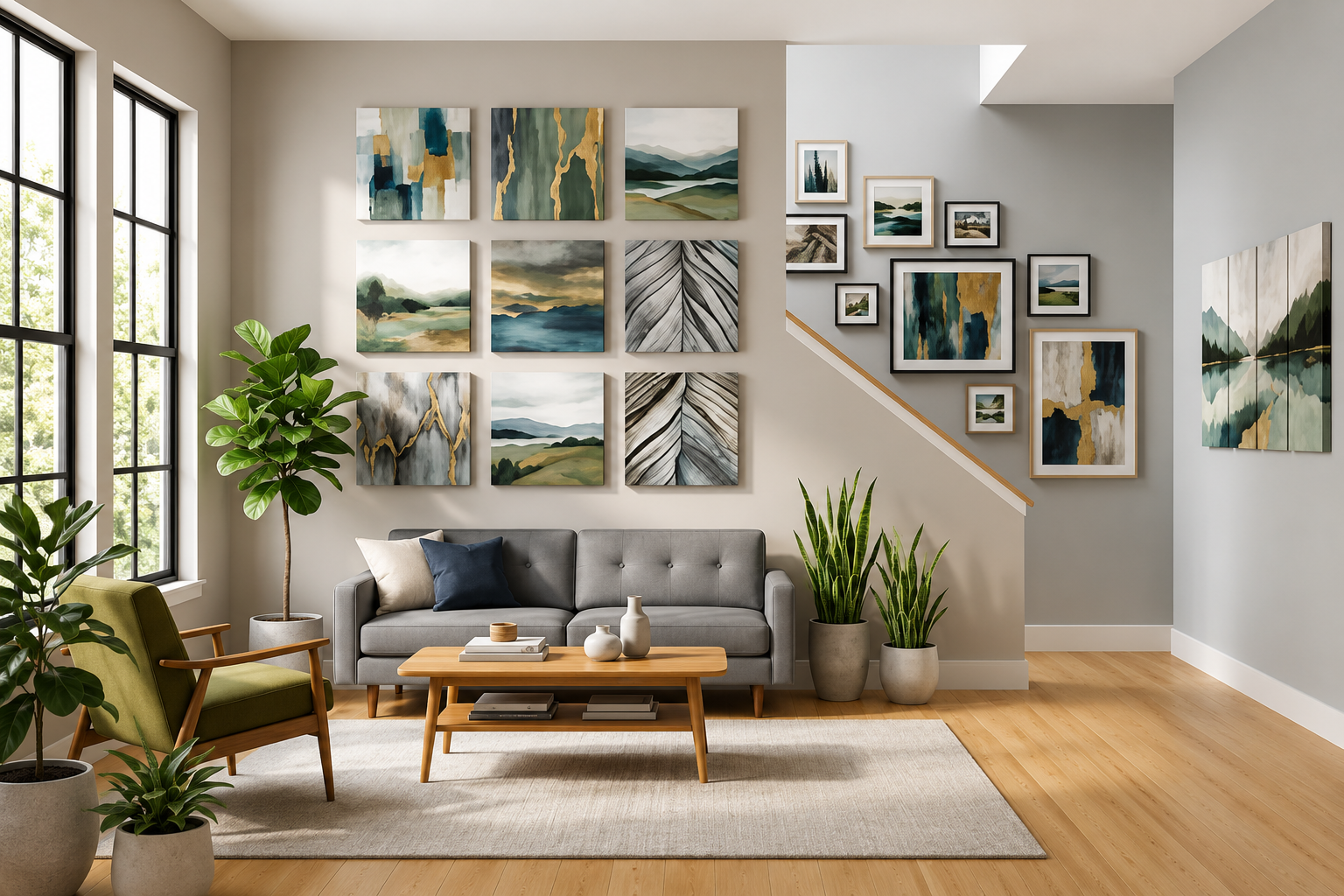
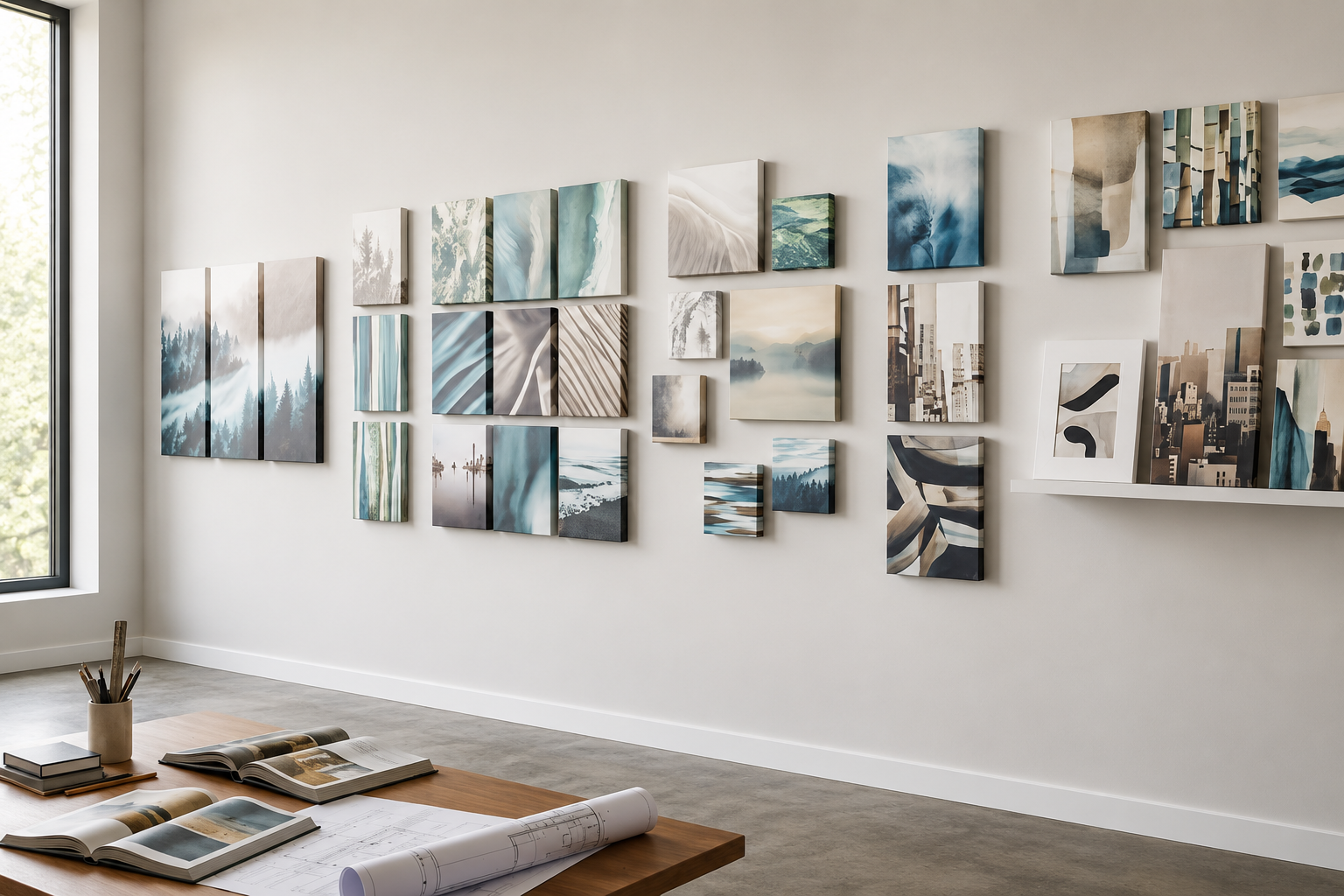
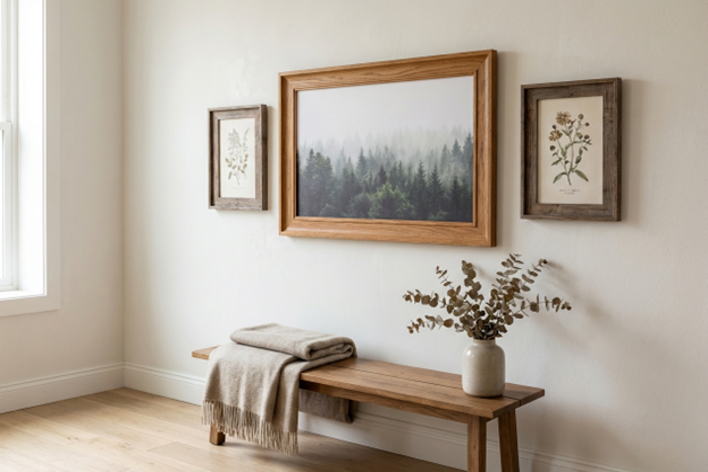
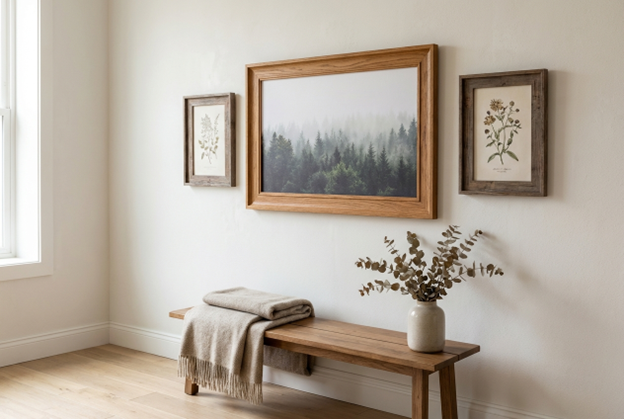
Gallery walls gain visual interest when you mix frame styles, but maintaining some consistency prevents chaos. Try using the same wood tone across different frame widths and profiles, or alternate between two complementary wood species. Odd numbers of pieces tend to create more dynamic arrangements than even groupings. Lay out your arrangement on the floor before committing to wall placement, and use paper templates to test positioning without unnecessary nail holes.
Sourcing and Caring for Your Wood-Framed Art
Cleaning Techniques for Wood and Canvas
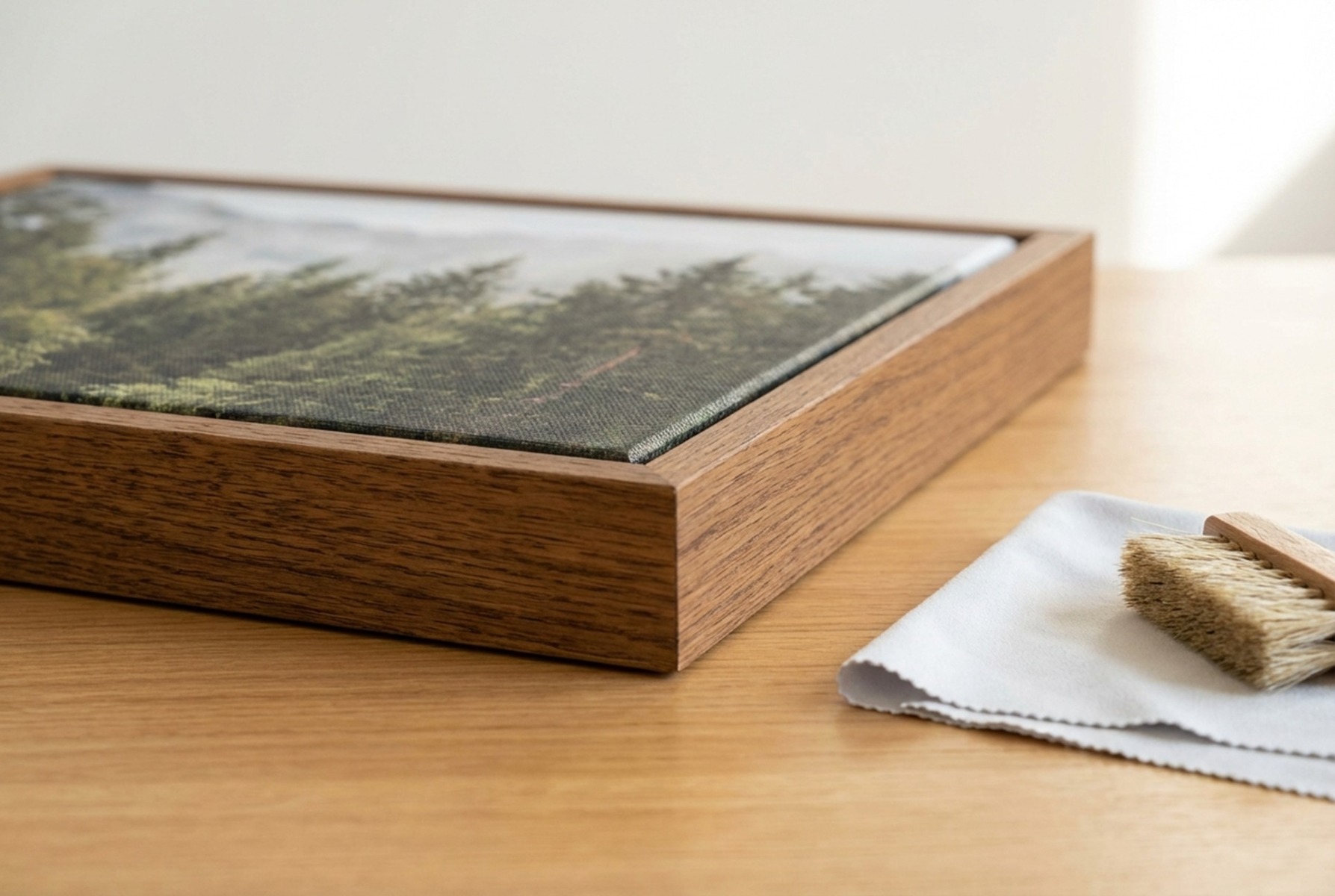
Dust wood frames weekly with a soft, dry microfiber cloth, working with the grain direction to avoid scratching. For deeper cleaning, lightly dampen the cloth with water: never use furniture polish or chemical cleaners that might transfer to the canvas surface. The canvas itself requires only occasional light dusting with a soft brush or clean, dry cloth. Avoid touching the printed surface directly, as skin oils can transfer and attract dust over time.
Environmental Considerations for Natural Materials
Position wood-framed prints away from direct sunlight, which fades both the print and the wood finish over time. Avoid hanging valuable pieces above heat sources like radiators or fireplaces, where temperature fluctuations stress both frame joints and canvas material. Maintain consistent indoor humidity between 35–55% when possible. These precautions ensure your wood-framed canvas prints remain beautiful for generations.
Frequently Asked Questions
What wood types work best for canvas print frames?
Oak, walnut, pine, and ash are popular choices, each offering distinct grain patterns and color tones. Your selection should complement both the artwork and your existing decor.
Can wood-framed canvas prints hang in bathrooms?
They can be used in bathrooms only if the space has strong ventilation and low humidity exposure. It’s best to avoid placing them directly near showers or bathtubs, as prolonged moisture can cause wood swelling or print damage.
How do I choose the right frame width for my canvas?
Generally, larger canvases benefit from wider frames that provide visual balance. Small prints often look best with narrow, understated frames that don't overwhelm the image.
Do wood frames cost significantly more than other options?
Quality wood frames typically cost more than basic plastic alternatives but often match or undercut metal frames. The durability and aesthetic value justify the investment for most buyers.
How long do wood-framed canvas prints last?
With proper care and placement, quality wood-framed prints can last for several decades. The combination of durable materials and protective framing creates artwork that can become family heirlooms.
Bringing Warmth and Character to Your Walls
Wood-framed canvas prints offer a rare combination of aesthetic versatility, practical protection, and timeless appeal that few other display options match. The natural warmth of real wood transforms any printed image into something that feels intentional and curated, whether your style leans rustic, contemporary, or somewhere between. For those ready to transform favorite photographs into lasting wall art, CanvasChamp offers an extensive selection of customizable wood-framed options at exceptional prices, backed by quality materials and satisfaction guarantees that ensure you'll love the result.