Free Shipping
 Extra Savings


Canvas Prints vs. Metal Prints: A Detailed Durability and Style Guide
Listen to Content
Choosing between canvas prints and metal prints comes down to more than personal preference. Each medium offers distinct advantages in durability, visual impact, and style compatibility that directly affect how your artwork performs in different environments. A detailed durability and style guide comparing canvas prints vs. metal prints reveals that the right choice depends on where you'll display your piece, how long you need it to last, and which aesthetic matches your interior design vision.
Canvas has dominated wall art for centuries, prized for its painterly texture and warm, classic appeal. Metal prints emerged more recently as a contemporary alternative, delivering razor-sharp images with a luminous quality impossible to achieve on fabric. Both materials have earned devoted followings, but they serve fundamentally different purposes. Understanding these differences helps you invest wisely in artwork that enhances your space for years to come.
Aesthetic Differences and Visual Impact
Classic Texture and Depth of Canvas Prints
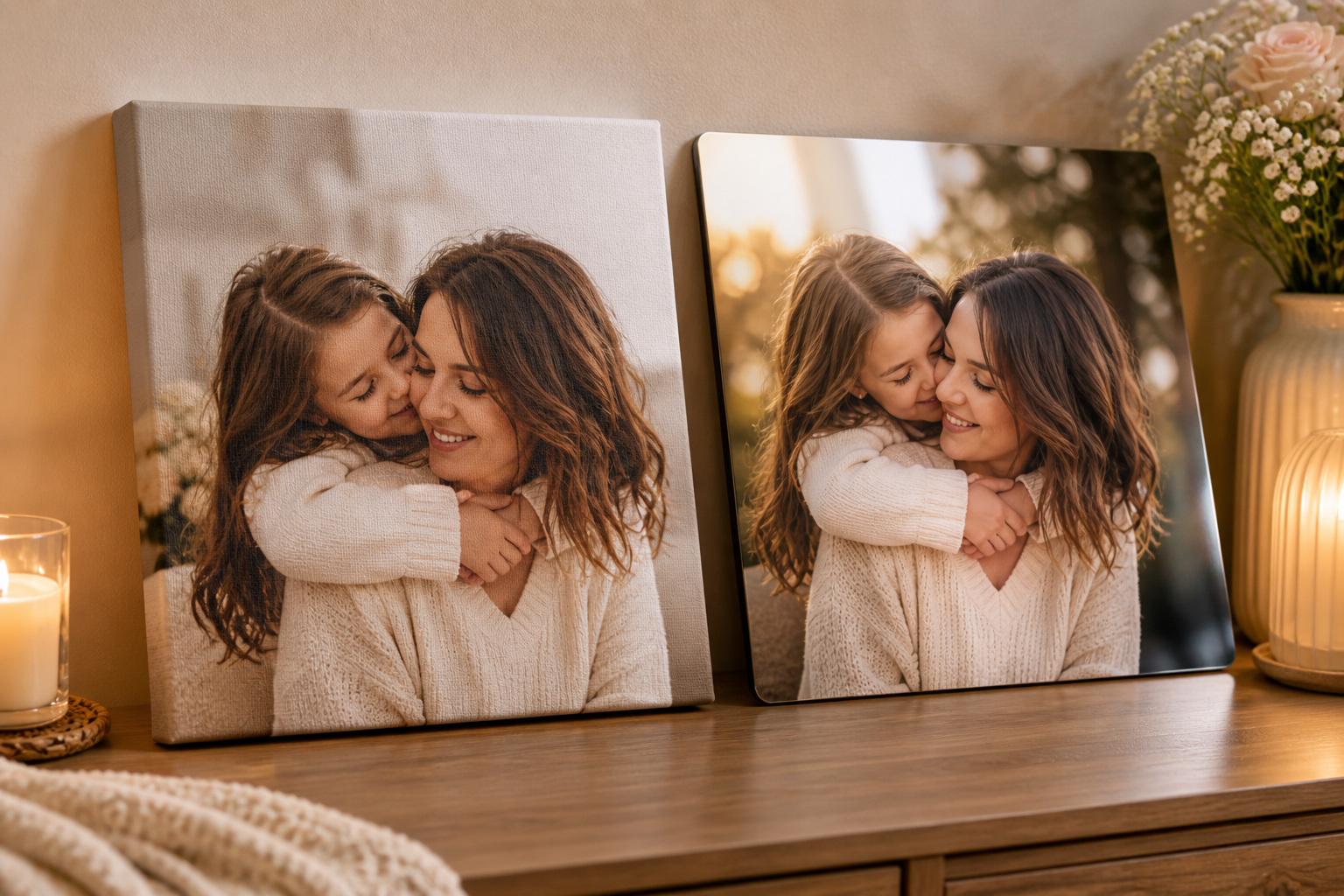
Canvas prints replicate the look of traditional oil paintings, with a woven texture that softens images and adds artistic depth. This surface breaks up light in subtle ways, reducing glare while creating a gallery-quality appearance that feels timeless. Photographs printed on canvas take on a painterly quality, transforming even casual snapshots into pieces that look intentionally artistic.
The matte finish of canvas absorbs light rather than reflecting it, making these prints ideal for spaces with multiple light sources or large windows. Colors appear slightly muted compared to glossy alternatives, but this characteristic contributes to the medium's sophisticated, understated elegance.
The High-Definition Vibrancy of Metal Prints
Metal prints deliver an entirely different visual experience. Images printed directly onto aluminum sheets produce colors that pop with exceptional intensity. The reflective surface creates a luminous quality, almost as if the image is backlit from within. Fine details remain crisp, making metal the preferred choice for high-resolution photography where sharpness matters.
This medium excels with bold, graphic imagery, architectural photography, and vibrant landscapes. The glossy or semi-gloss finish amplifies contrast and saturation, giving photos a contemporary, almost three-dimensional appearance that commands attention.
Durability and Environmental Resilience
Moisture Resistance and Outdoor Suitability
Metal prints outperform canvas dramatically in humid or wet environments. Aluminum naturally resists moisture, making metal prints suitable for bathrooms, kitchens, covered outdoor spaces, and coastal homes where salt air accelerates material degradation. The dyes used in metal printing bond directly to the aluminum surface via sublimation, forming a waterproof image layer.
Canvas, by contrast, absorbs moisture over time. While protective coatings extend their lifespan, canvas prints remain vulnerable in high-humidity environments. Prolonged exposure to moisture can cause warping, mold growth, and color degradation. For spaces with controlled climate conditions, this limitation rarely matters, but it becomes critical in challenging environments.
Scratch Resistance and Long-Term Protection
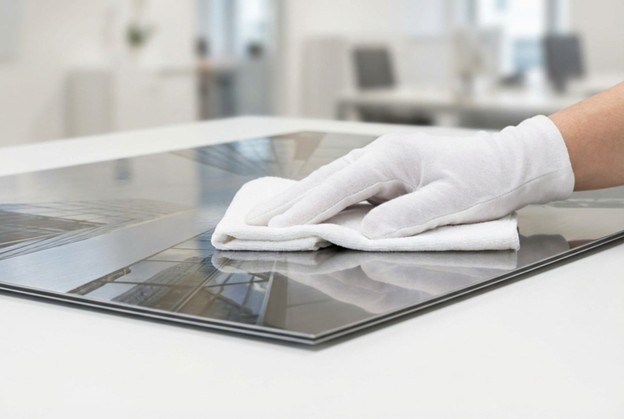
Metal prints feature a protective clear coat that guards against scratches, fingerprints, and surface damage. This durability makes them practical for high-traffic areas, children's rooms, and commercial spaces where accidental contact is likely. The rigid aluminum substrate won't dent or bend under normal circumstances.
Canvas prints require more careful handling. The fabric surface can snag or tear if struck by sharp objects, and the wooden stretcher bars behind the canvas may warp over time if exposed to temperature fluctuations. Quality canvas prints from CanvasChamp use kiln-dried frames and protective coatings that minimize these risks.
Fade Resistance and UV Exposure
Both mediums offer excellent fade resistance when made with high-quality materials, though metal maintains an edge in direct sunlight. The sublimation process used in metal printing infuses dyes into the aluminum itself rather than layering them on top, creating remarkable color stability that can last over 60 years without noticeable fading.
Modern canvas prints treated with UV-protective laminate also perform well, typically maintaining color integrity for 50–80 years under indirect indoor light. Direct sunlight accelerates fading in both materials, but metal tolerates it better.
Material Composition and Weight
Cotton-Polyester Blends vs. Aluminum Sheets
Canvas prints use fabric stretched over wooden stretcher bars. Premium canvas combines cotton and polyester fibers, balancing the absorbency needed for sharp ink transfer with the durability polyester provides. This construction keeps canvas prints remarkably lightweight, typically weighing 1–3 pounds for standard sizes.
Metal prints use thin aluminum sheets, usually 0.8–1.2mm thick, with a white or clear base layer that enhances image brightness. Despite the metal construction, these prints remain surprisingly manageable, though they weigh more than equivalent canvas pieces, typically 3–6 pounds for similar dimensions.
Structural Integrity and Frame Requirements
Canvas prints arrive ready to hang, with the image wrapping around the edges of the stretcher bars. No additional framing is necessary, though some people add floating frames for extra visual impact. The stretcher bars provide a built-in structure that holds the canvas taut.
Metal prints also hang without frames, using rear-mounted float mounts that create a striking shadow effect on the wall. This frameless presentation emphasizes the modern aesthetic of metal prints. The rigid aluminum substrate maintains its shape indefinitely without the structural support frames that it provides.
Matching Media to Interior Design Styles
Canvas for Traditional and Rustic Decor
Canvas prints complement traditional, farmhouse, rustic, and transitional interiors beautifully. The textured surface and warm tones harmonize with wooden furniture, natural fabrics, and earth-toned color palettes. Family portraits, landscape photography, and artistic reproductions feel at home on canvas.
The medium's classic associations make it appropriate for formal spaces such as dining rooms, studies, and bedrooms, where a relaxed, timeless atmosphere matters. CanvasChamp offers extensive size options and custom framing that help canvas prints integrate with virtually any traditional design scheme.
Metal for Modern and Industrial Spaces
Metal prints suit contemporary, minimalist, industrial, and urban-inspired interiors. The sleek surface and vibrant colors complement clean lines, metallic accents, and monochromatic color schemes. Abstract art, cityscape photography, and bold graphic designs achieve maximum impact on metal.
These prints work exceptionally well in modern offices, loft apartments, and spaces featuring exposed brick, concrete, or steel elements. The reflective quality adds energy to minimalist rooms that might otherwise feel stark.
Frequently Asked Questions
Which print type lasts longer, canvas or metal?
Metal prints generally offer superior longevity, especially in challenging environments. The sublimation process creates fade-resistant images that can last up to 60 years or more, and the aluminum substrate resists moisture, scratches, and physical damage better than fabric.
Can I hang metal prints in my bathroom?
Yes, metal prints excel in bathrooms and other humid spaces. The aluminum construction and waterproof image layer make them ideal for environments where canvas would deteriorate over time.
Do canvas prints look cheap compared to metal?
Quality canvas prints look anything but cheap. Premium canvas with proper tension, protective coating, and professional printing creates gallery-worthy pieces. The medium simply offers a different aesthetic, one that emphasizes warmth and texture over high-definition sharpness.
Which option costs more?
Metal prints typically cost more than canvas prints of equivalent size due to material and production costs. Canvas offers excellent value for large-format prints where budget matters.
Are metal prints heavy and difficult to hang?
Metal prints weigh more than canvas but remain manageable for standard sizes. Most include rear-mounted hanging systems that make installation straightforward with basic hardware.
Choosing the Right Print for Your Space
The decision between canvas and metal ultimately depends on three factors: your environment, your aesthetic preferences, and the specific images you're printing. For moisture-prone areas or outdoor display, metal wins decisively. For traditional interiors or images that benefit from a softened, painterly look, canvas remains the superior choice.
Consider the lighting in your intended display area. Metal's reflective surface can create glare in rooms with direct light sources, while canvas's matte finish performs consistently regardless of lighting conditions. High-contrast, vibrant images pop on metal, while portraits and nature scenes often look more natural on canvas.
If you're ready to transform your favorite photographs into lasting wall art, CanvasChamp offers both canvas and metal prints with premium materials and exceptional value. Their extensive customization options let you choose the perfect size, finish, and mounting style for your space.