Free Shipping
 Extra Savings


Canvas Prints vs. Framed Prints: Which is Better for Your Home?
Listen to Content
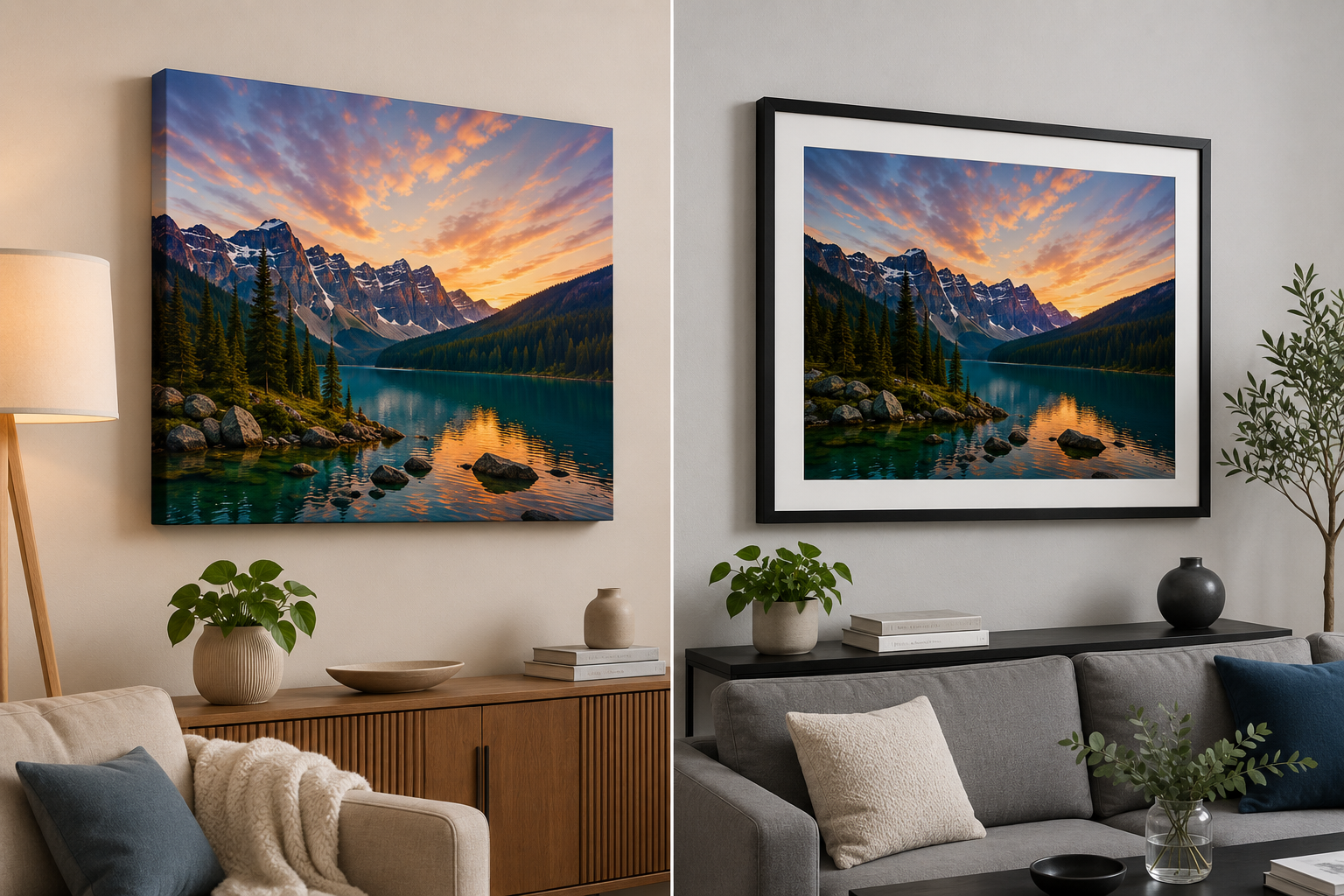
Choosing between canvas prints and framed prints ranks among the most common decisions homeowners face when decorating their walls. Both options transform photographs and artwork into stunning displays, yet each brings distinct characteristics to your living spaces. The texture, weight, visual impact, and overall feel differ significantly between these two popular formats.
Your choice ultimately depends on your room's existing style, the mood you want to create, and practical considerations like lighting and maintenance. A canvas print wrapped around stretcher bars creates an entirely different impression than the same image behind glass in an elegant frame. Understanding these differences helps you make confident decisions that enhance your home's aesthetic rather than clash with it.
Whether you're displaying family portraits, landscape photography, or contemporary art reproductions, the format you choose shapes how visitors perceive and interact with the piece. The right selection elevates your space; the wrong one creates visual discord that's hard to ignore.
Understanding the Aesthetic Appeal of Canvas and Framed Prints
Wall art serves as more than decoration. It anchors rooms, sparks conversations, and reflects personal taste. The format you select influences all of these functions in ways that extend beyond simple visual preference.
The Textured, Three-Dimensional Look of Canvas
Canvas prints deliver a painterly quality that paper simply cannot replicate. The material's woven texture adds depth and dimension, giving photographs an almost artistic quality. Light interacts differently with canvas than with glossy paper, creating subtle shadows and highlights that shift as you move around the room.
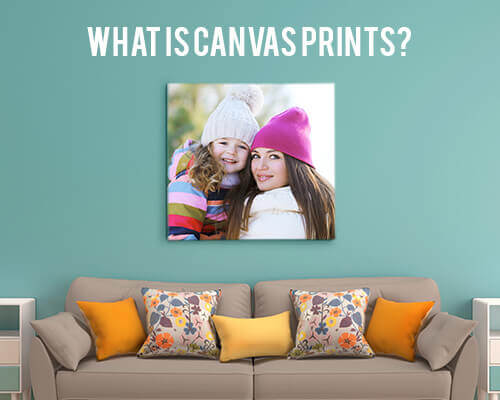
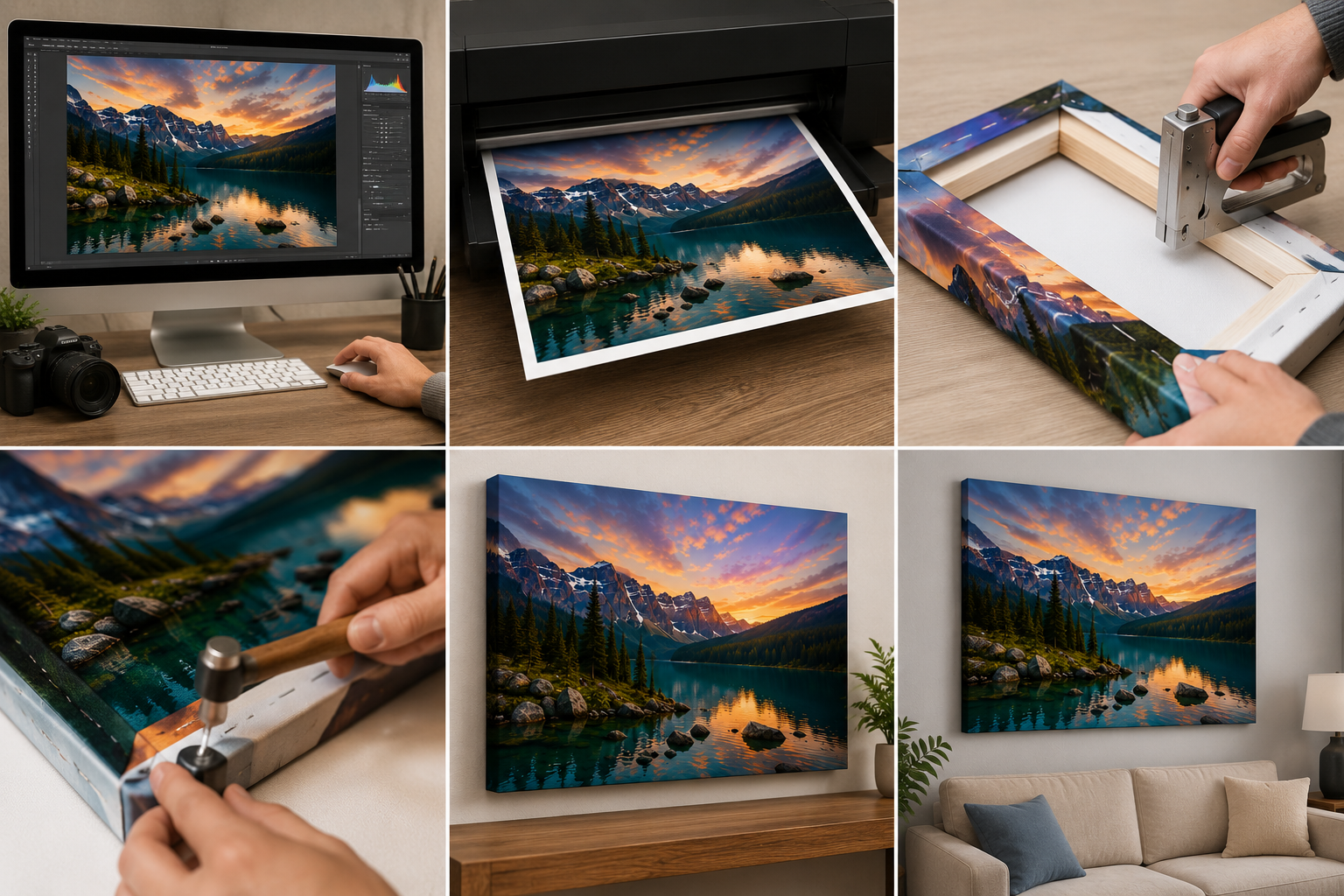
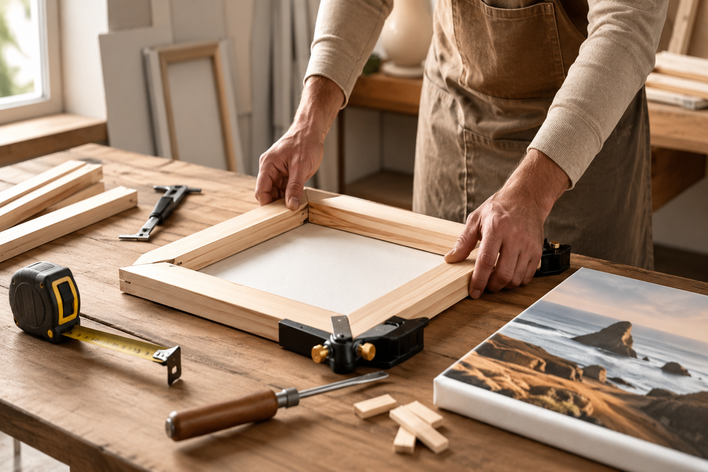
The gallery-wrapped style, where the image extends around the edges of the wooden frame, eliminates the need for additional framing. This creates a floating effect on your wall, making the artwork feel contemporary and substantial. CanvasChamp's canvas prints use premium materials and advanced printing techniques to beautifully capture this textured aesthetic, with colors that remain vibrant for years.
The Traditional Elegance and Precision of Framed Prints
Framed prints offer crisp, precise image reproduction that showcases every detail with clarity. The glass or acrylic covering protects the print while adding a polished, refined appearance. This format is particularly well-suited to photographs where sharpness and color accuracy matter most.
The frame itself becomes part of the presentation. Black frames convey modern sophistication, ornate gold frames suggest classical elegance, and natural wood frames bring warmth to any space. This customization allows you to match existing furniture and architectural details in ways canvas alone cannot achieve.
Durability and Longevity: Which Style Lasts Longer?
Investment in wall art should last. Both formats offer impressive durability when properly manufactured and maintained, though they respond differently to environmental factors.
Resistance to Glare and Lighting Conditions
Canvas prints excel in rooms with significant natural light or multiple light sources. The textured surface diffuses reflections rather than bouncing them back at viewers. You can hang canvas directly opposite windows without worrying about glare obscuring your image during certain times of day.
Framed prints with standard glass can struggle in bright environments. The reflective surface often creates hotspots that interfere with viewing. Museum-quality anti-reflective glass solves this problem but adds considerable cost to your framing budget.
Protective Glass and Matting for Paper Prints
The glass in framed prints serves a crucial protective function. It shields the paper from dust, moisture, and physical contact. UV-filtering glass options prevent fading caused by sunlight exposure, significantly extending the life of your print.
Matting creates additional protection by keeping the print surface from touching the glass directly. This prevents moisture damage and creates visual breathing room around your image. Quality matting also adds sophistication to the overall presentation.
Maintenance and Cleaning Best Practices
Canvas requires minimal maintenance. A soft brush or microfiber cloth removes dust effectively. Avoid liquid cleaners, which can damage the printed surface. The lack of glass means no streaks or fingerprints to worry about.
Framed prints need regular glass cleaning to maintain their pristine appearance. Use appropriate glass cleaners and soft cloths to avoid scratches. Check periodically for dust that may have entered between the glass and mat, which indicates the frame seal needs attention.
Matching Wall Art to Your Home Decor Style
Your existing decor should guide your choice of format. The wrong selection creates visual tension that undermines even the most beautiful image.
Modern and Minimalist Spaces
Canvas prints complement contemporary interiors exceptionally well. The frameless presentation aligns with minimalist principles, avoiding visual clutter while making a statement. Large-scale canvas works particularly suit open-concept spaces with clean lines and neutral palettes.
The texture of canvas adds warmth to modern rooms that might otherwise feel cold or sterile. A single oversized canvas above a low-profile sofa creates a focal point without competing with streamlined furniture. CanvasChamp offers extensive size options that let you scale your artwork perfectly to your wall dimensions.
Classic, Gallery-Style Wall Arrangements
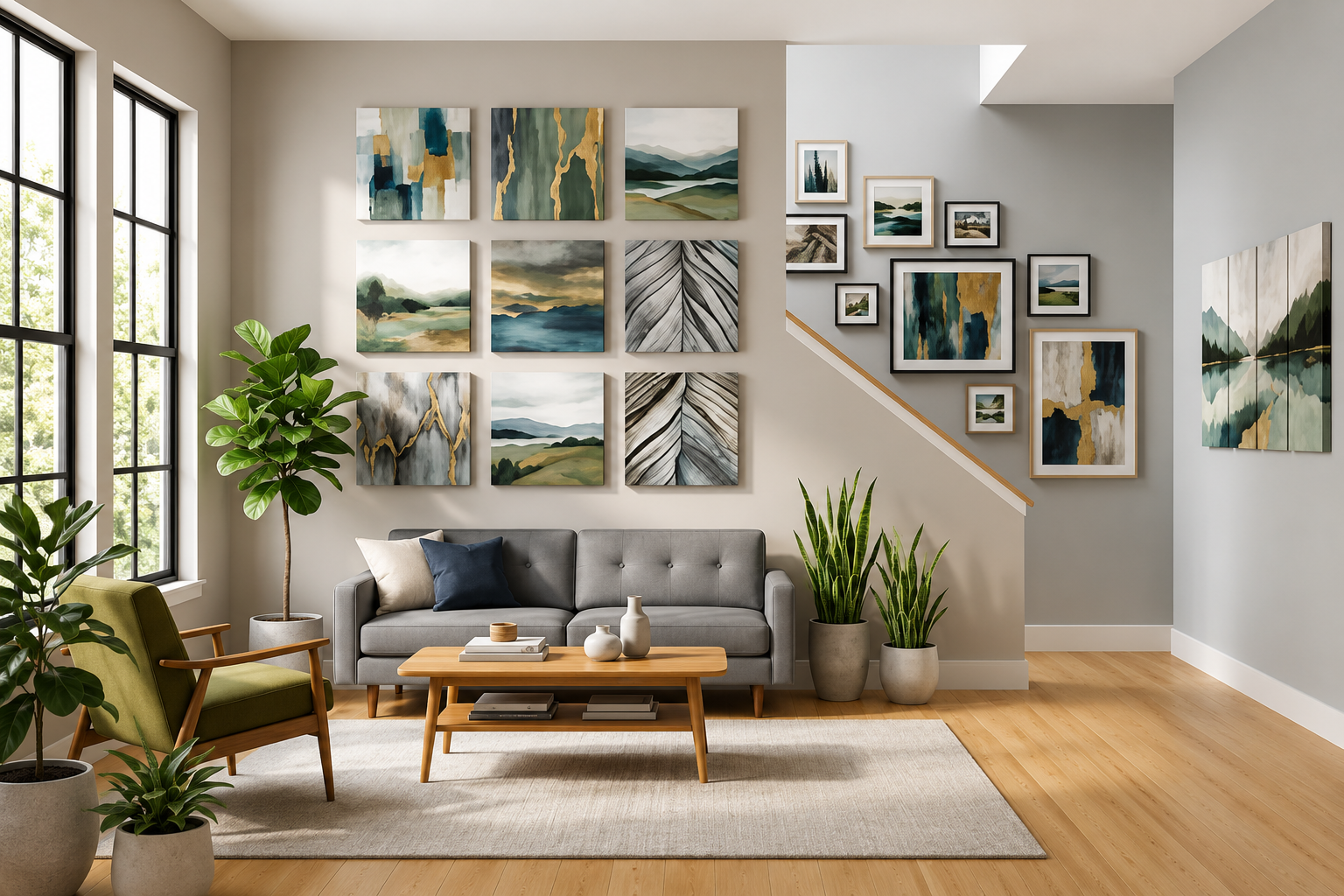
Traditional homes often benefit from framed prints arranged in gallery-style groupings. The uniformity of matching frames creates cohesion, while the glass surfaces reflect light in ways that enhance the formality of living spaces.
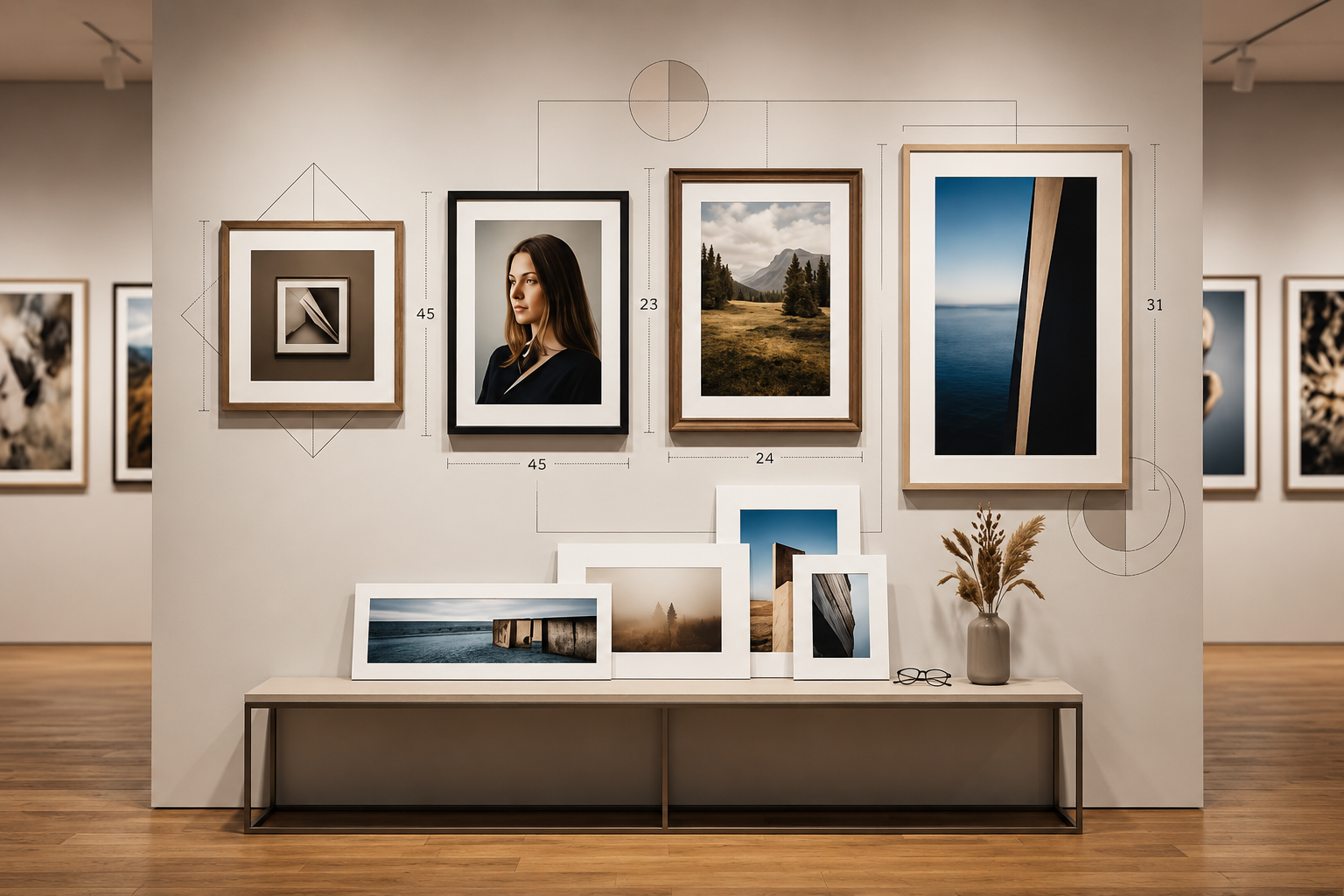
Consider mixing sizes within a consistent frame style for visual interest. A large central piece flanked by smaller coordinating prints creates sophisticated arrangements reminiscent of museum displays. This approach works beautifully in dining rooms, hallways, and formal living areas.
Cost Comparison and Value for Money
Budget considerations matter, and understanding the true cost of each option helps you allocate your decorating dollars wisely.
Upfront Costs: Canvas vs. Custom Framing
Canvas prints typically offer better value at larger sizes. A 24x36 canvas costs significantly less than a print of the same size with custom framing, quality matting, and protective glass. This price difference becomes more dramatic as dimensions increase.
Custom framing involves multiple cost components: the print itself, mat board, glass selection, frame material, and labor. Premium options at each stage compound quickly. A single large framed piece can easily exceed several hundred dollars, while comparable canvas prints often cost a fraction of that amount.
Shipping and Installation Considerations
Canvas prints ship more safely than glass-framed pieces. The flexible material and the lack of breakable components reduce the risk of damage during transit. This translates to lower shipping costs and fewer replacement headaches.
Installation also differs between formats. Canvas prints are lightweight and hang easily on standard picture hooks. Heavy framed pieces with glass require sturdier wall anchors and more careful handling. Professional installation may be necessary for particularly large or valuable framed works.
Frequently Asked Questions
Can canvas prints look as sharp as framed photographs?
Modern printing technology produces remarkably sharp canvas prints, though the texture creates a slightly softer appearance than glossy paper. For most images, this adds artistic appeal rather than reducing quality.
How long do canvas prints typically last?
High-quality canvas prints can last 50–100 years or more when produced with archival-grade materials and kept away from direct sunlight, high humidity, and extreme temperature changes. Longevity depends on ink type, coating, and environmental care.
Are framed prints better for formal spaces?
Framed prints often suit formal dining rooms, offices, and traditional living spaces, where their polished appearance aligns with existing decor expectations.
Can I convert a canvas print to a framed print later?
Yes, canvas prints can be framed using specialized floater frames that showcase the wrapped edges while adding traditional framing elements.
Which format works better for photographs versus artwork?
Photographs with fine detail often shine in framed presentations, while artwork reproductions and stylized images frequently benefit from canvas texture.
Making the Final Choice for Your Space
The debate between canvas and framed prints has no universal winner. Your specific circumstances determine the better choice for each room and each image.
Consider the lighting in your space first. Bright rooms with multiple windows favor canvas. Controlled lighting environments work well with either format. Think about your existing decor style and whether you want your art to blend seamlessly or provide intentional contrast.
Factor in your budget and the size you need. Large-scale pieces almost always make more financial sense on canvas. Smaller accent pieces where frame selection matters might justify the investment in framing.
For those ready to transform their favorite photographs into lasting wall art, CanvasChamp offers premium canvas prints at accessible prices, backed by a Lowest Price Guarantee and extensive customization options to create exactly what your space needs.