Free Shipping
 Extra Savings


What Are Canvas Prints? Everything You Need to Know Before Buying
Listen to Content
A blank wall stares back at you, waiting to be transformed. You've scrolled through countless décor options, but nothing captures the warmth and personality you're after. Canvas prints offer a solution that bridges the gap between affordable art and museum-quality presentation. These versatile pieces have become a staple in modern home décor, turning personal photographs and artwork into stunning visual statements. Before you invest in one, understanding what canvas prints actually are and how they're made will help you choose wisely. The material composition, ink technology, and framing style all impact the final result hanging on your wall. Whether you're commemorating a family milestone or adding artistic flair to your living room, knowing the fundamentals ensures you get exactly what you envision. This guide covers everything from production methods to maintenance, giving you the confidence to make an informed purchase.
Defining Canvas Prints and How They Are Made
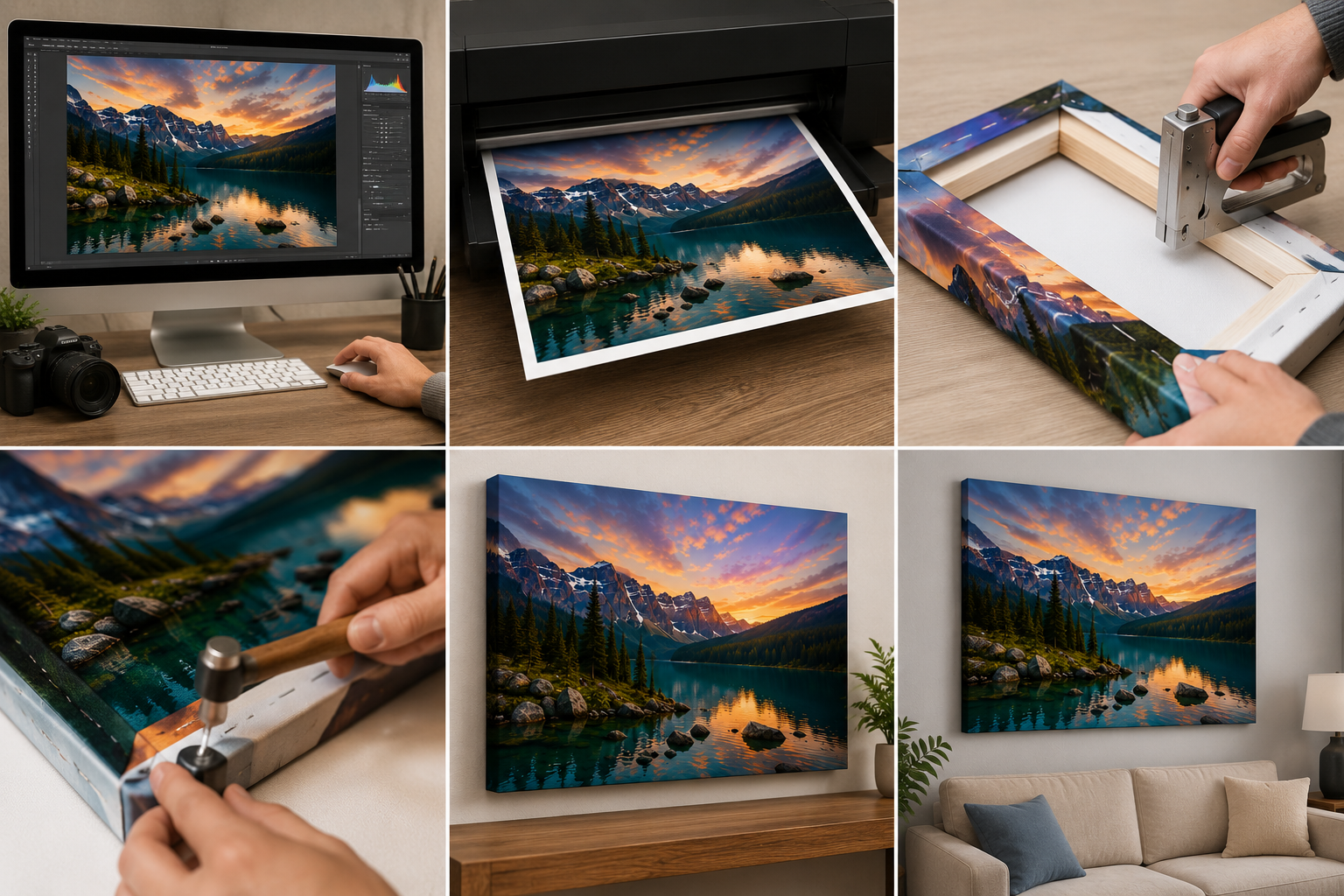
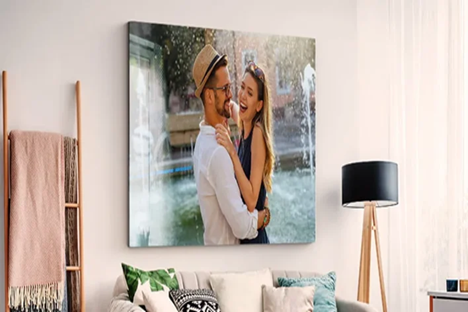
Canvas prints start as digital images transferred onto fabric material stretched over a wooden frame. The process involves specialized printers that apply ink directly to the canvas, creating vibrant reproductions that mimic traditional paintings. CanvasChamp uses advanced printing technology to ensure color accuracy and preserve detail, resulting in pieces that maintain their visual impact for over 100 years when properly cared for.
Polyester vs. Cotton Canvas Materials
Cotton canvas has been the traditional choice for artists for centuries, prized for its natural texture and excellent ink absorption. The fibers create a subtle weave pattern that adds depth and authenticity to printed images. Polyester canvas, by contrast, offers superior durability and moisture resistance at a lower price point. Many manufacturers now use poly-cotton blends that combine the best properties of both materials, delivering rich texture with enhanced longevity.
Ink Types: Solvent vs. Pigment-Based
Solvent-based inks penetrate deep into canvas fibers, creating water-resistant prints suitable for humid environments. These inks dry quickly and produce vivid colors, though they require proper ventilation during production. Pigment-based inks sit on the canvas surface and offer superior fade resistance, making them ideal for prints displayed in sunlit rooms. Most premium print providers use archival pigment inks that maintain color integrity for up to 100 years or more under museum lighting conditions.
The Stretching Process and Frame Construction
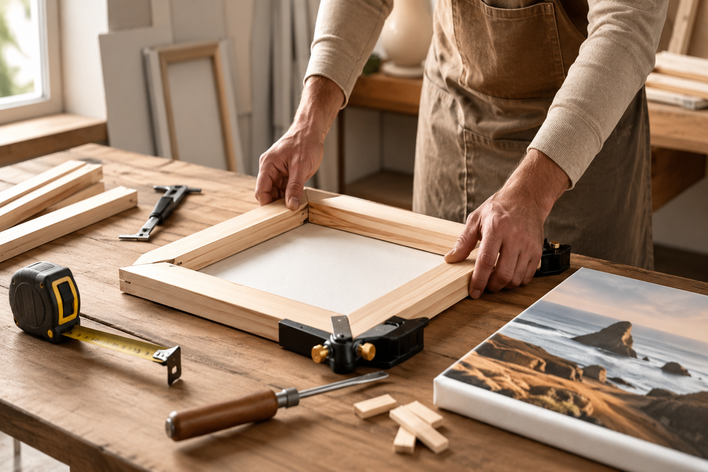
Quality frame construction determines how well your canvas maintains its shape over time. Kiln-dried wood prevents warping and cracking that can occur with improperly seasoned lumber. The canvas gets stretched taut across the frame and secured with staples, either on the back or sides, depending on the wrap style. Corner bracing and cross supports add structural integrity to larger pieces, preventing sagging that can distort your image.
Popular Styles and Framing Options
The framing style you select dramatically affects how your canvas integrates with your existing décor. Each option creates a distinct visual impression, from contemporary minimalism to classic elegance.
Gallery Wrap vs. Studio Wrap
Gallery wrap extends your image around the frame edges, creating a finished look that requires no additional framing. This style works particularly well for photos with expansive backgrounds or abstract designs where edge cropping enhances rather than diminishes the composition. Studio wrap keeps the image flat on the front surface, with solid-colored or mirrored edges. This traditional approach suits portraits and images where every detail matters.
Floating Frames and Decorative Borders
Floating frames create a gap between the canvas and outer frame, producing a shadow effect that adds dimension and sophistication. These frames work especially well in modern interiors where clean lines and visual depth are priorities. Decorative borders can include metallic finishes, ornate patterns, or simple wood tones that complement your wall color and furniture style.
Multi-Panel Splits and Triptychs
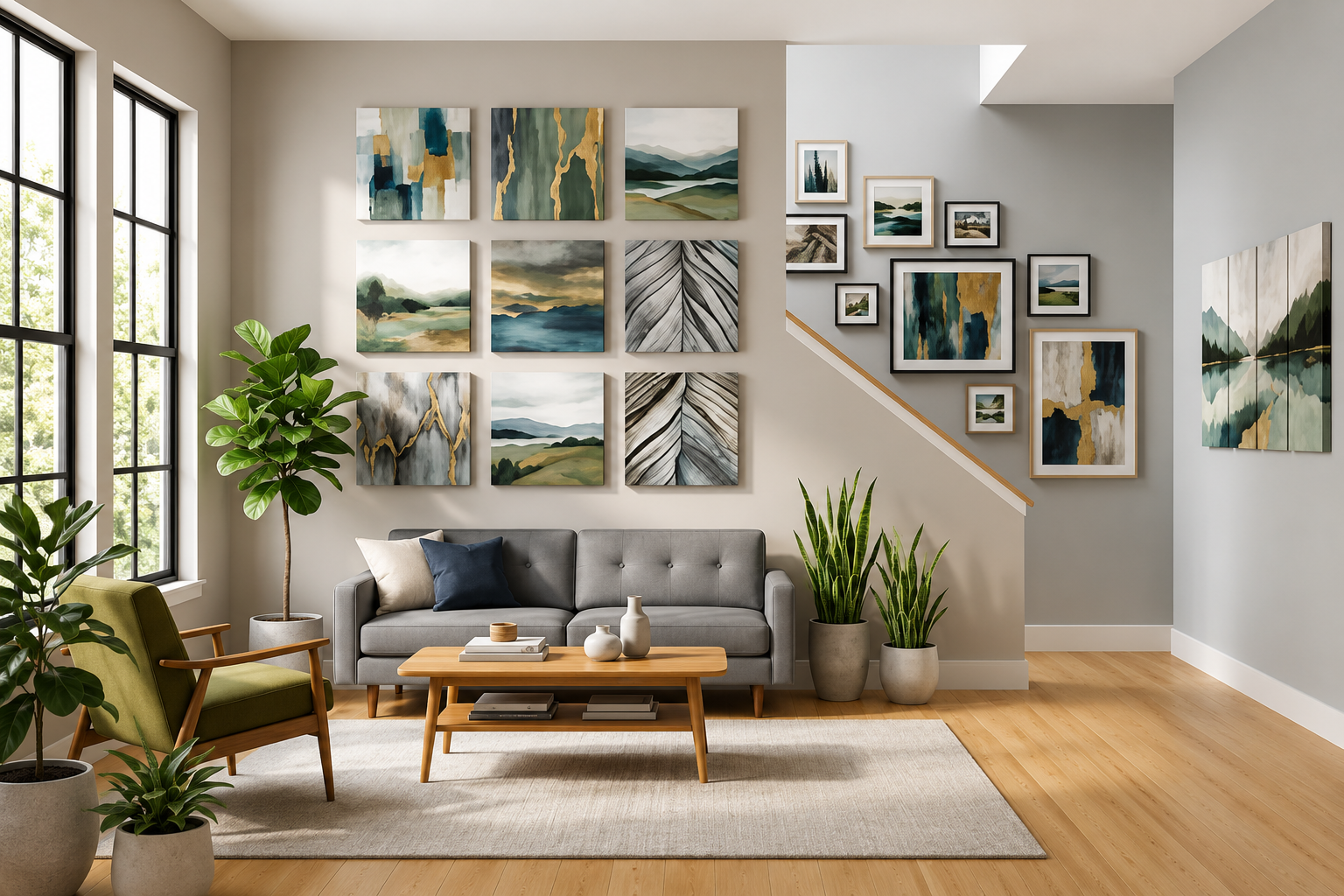
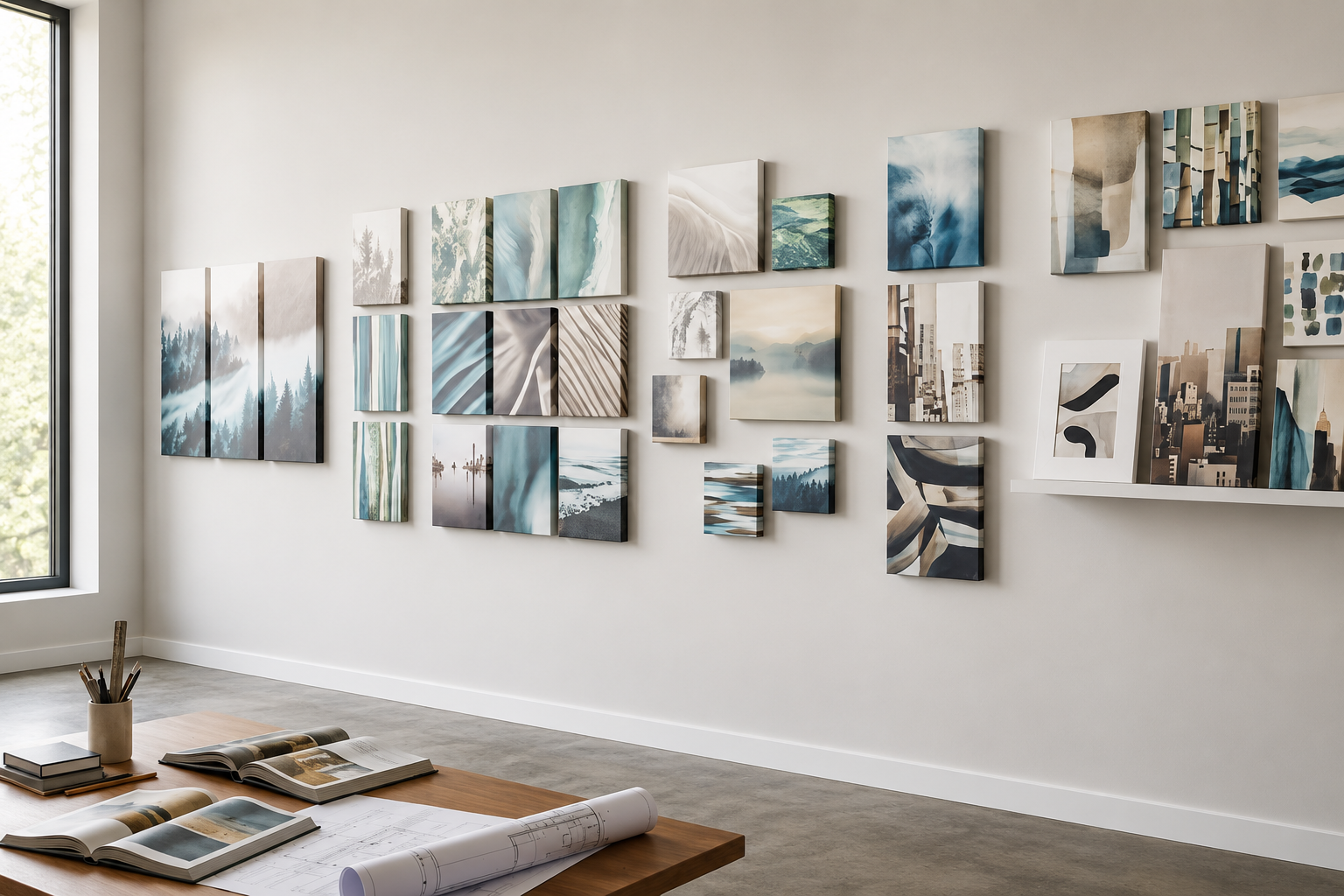
Splitting a single image across multiple panels creates a dramatic impact in larger spaces. Triptychs divide your image into three sections, while panoramic splits can span five or more panels. This approach transforms landscapes, cityscapes, and wide-angle photographs into statement pieces that command attention. Proper spacing between panels, typically one to two inches, maintains visual continuity while emphasizing the artistic presentation.
Key Quality Factors to Consider Before Buying
Not all canvas prints deliver equal results. Understanding what separates exceptional prints from mediocre ones helps you avoid disappointment.
Image Resolution and File Requirements
Your source image determines the maximum print size possible without visible pixelation. Professional printers recommend 150-300 DPI at your intended print dimensions. A smartphone photo might look stunning on screen, but appear blurry when enlarged to 24x36 inches. Before ordering, check your image dimensions and calculate whether they support your desired size. CanvasChamp offers preview tools that flag resolution concerns before production begins.
UV Protection and Fade Resistance
Direct sunlight degrades unprotected prints within months. Quality canvas prints include UV-resistant coatings that block harmful rays while maintaining color vibrancy. Ask about protective finishes before purchasing, particularly if your intended display location receives significant natural light. Laminate coatings add an extra barrier against fading, dust, and moisture damage.
Choosing the Right Size for Your Space
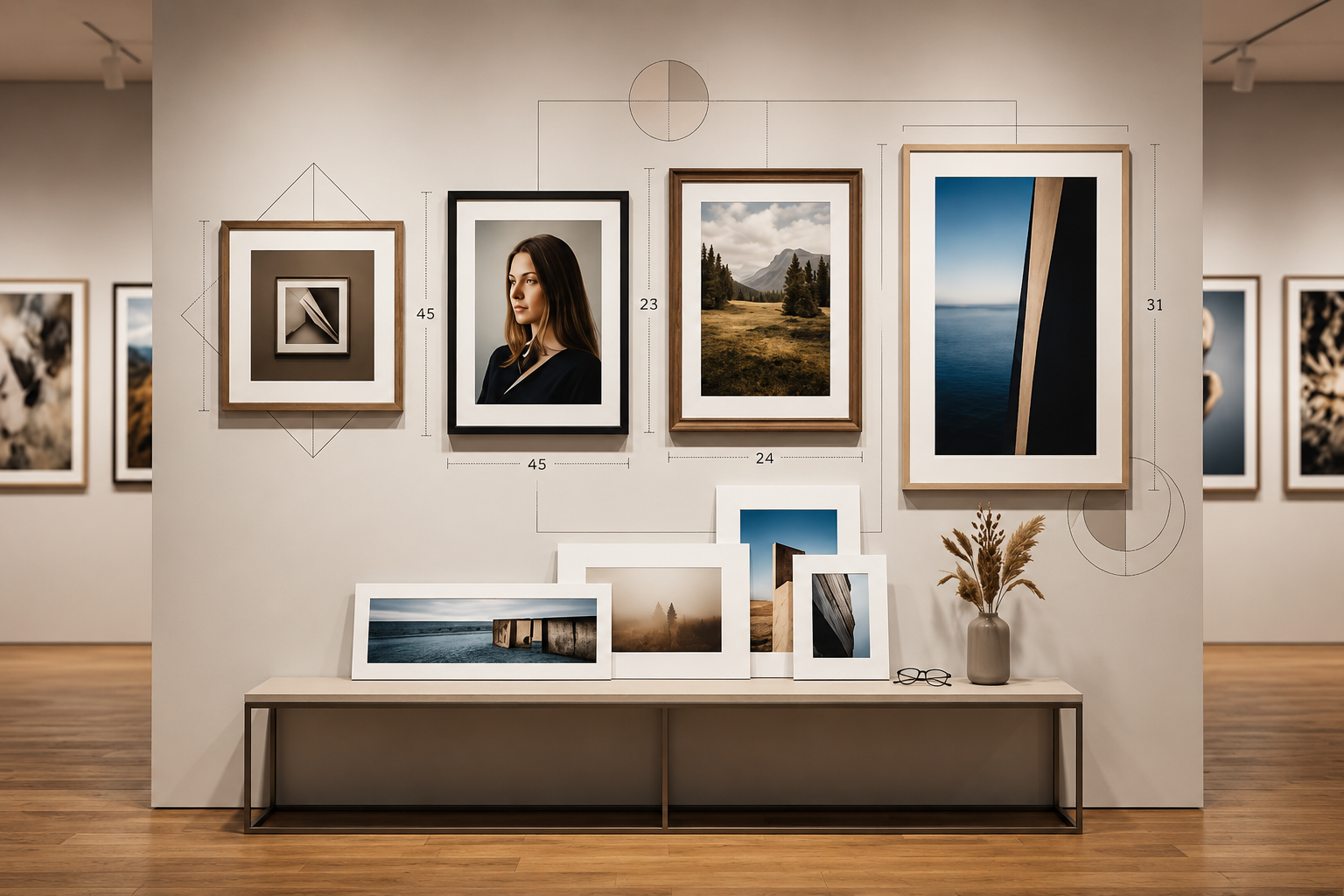
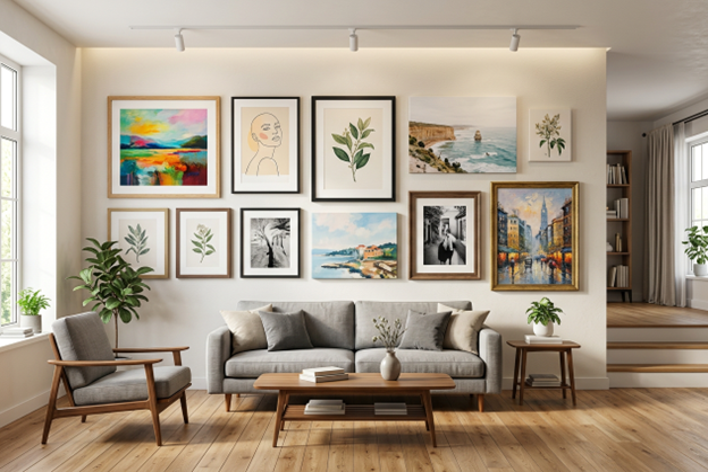
Wall dimensions and furniture placement dictate appropriate canvas sizing. A general guideline suggests your artwork should span 50-75% of the wall width above furniture pieces. Measure your space carefully and consider ordering samples or creating paper templates before committing to large formats. Oversized prints overwhelm small rooms, while undersized pieces get lost on expansive walls.
Canvas vs. Paper Prints: Which is Better?
Both mediums have their place in home décor, but they serve different aesthetic purposes.
Durability and Longevity Comparison
Canvas prints withstand handling and environmental factors better than paper alternatives. The fabric material resists tears, creases, and minor impacts that would damage paper prints. Without glass framing requirements, canvas pieces weigh less and pose no shatter risk. Paper prints require careful mounting and protective glazing to achieve comparable longevity, adding to their total cost.
Texture, Glare, and Aesthetic Differences
Canvas texture adds dimensionality that flat paper cannot replicate. The woven surface catches light differently across viewing angles, creating subtle variations that enhance visual interest. Paper prints under glass often produce glare that obscures details from certain positions. Canvas eliminates this issue entirely, making it preferable for rooms with multiple light sources or large windows.
Care and Maintenance for Long-Lasting Art
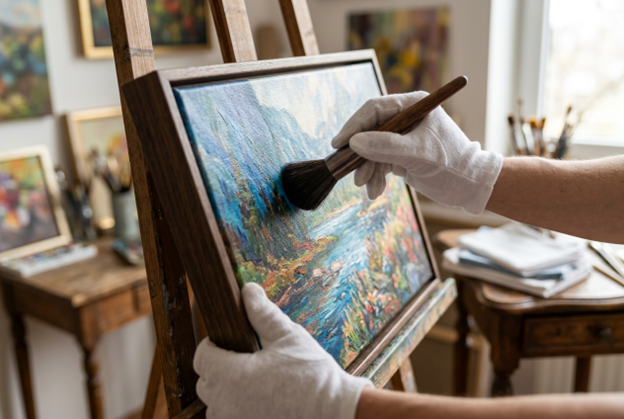
Proper care significantly extends your canvas print's lifespan. Dust accumulation dulls colors and attracts moisture that can damage the surface. Use a soft, dry microfiber cloth for regular cleaning, wiping gently in one direction. Avoid household cleaners, water, or abrasive materials that can strip protective coatings or saturate the fabric. Position your canvas away from heat sources, air vents, and areas with high humidity. Bathrooms and kitchens present challenging environments unless your print includes a waterproof or UV-laminated coating designed for high-moisture areas.
Frequently Asked Questions
How long do canvas prints typically last?
Quality canvas prints with archival inks and UV protection maintain their appearance for 80-120 years under normal indoor conditions. Proper placement, away from direct sunlight and humidity, extends this lifespan.
Can I print any image on canvas?
Most images work well on canvas, though resolution requirements increase with print size. Professional photographs and high-resolution digital images produce the best results. Low-resolution web images often appear pixelated when enlarged.
Are canvas prints waterproof?
Standard canvas prints are water-resistant but not waterproof. Laminated finishes provide additional moisture protection suitable for kitchens or covered outdoor patios. Avoid direct water exposure regardless of coating type.
What's the best room for displaying canvas prints?
Living rooms, bedrooms, and hallways with controlled lighting offer ideal conditions. Avoid bathrooms without ventilation and areas receiving prolonged direct sunlight.
Transform Your Space with Custom Canvas Art
Understanding canvas prints empowers you to make purchases that deliver lasting satisfaction. From material selection to proper sizing, each decision contributes to the final result adorning your walls. Quality matters, and partnering with trusted providers ensures your memories receive the presentation they deserve. Ready to create your own custom canvas print? Explore CanvasChamp's collection to discover premium options at affordable prices, backed by a satisfaction guarantee that puts your confidence first.