Free Shipping
 Extra Savings


Rolled Canvas vs. Stretched Canvas: Pros, Cons, and Shipping Costs
Listen to Content
Ordering artwork online presents a fundamental decision that affects everything from shipping costs to how your piece looks on the wall. Whether you're a collector purchasing original art, an artist shipping to clients, or someone ordering custom prints, understanding the differences between rolled and stretched canvas formats can save you hundreds of dollars and prevent frustrating surprises. The choice impacts not just immediate expenses but long-term durability, storage requirements, and the final presentation of your artwork. Stretched canvas arrives ready to hang, mounted on wooden stretcher bars that give the piece structure and dimension. Rolled canvas ships flat in a tube, requiring additional steps before display but offering significant advantages in shipping and storage. Both formats have legitimate uses, and the right choice depends on your specific situation, budget, and timeline. This comparison breaks down the practical considerations for each format, including the often-overlooked hidden costs that can shift the value equation.
Understanding the Fundamentals of Canvas Formats
What is Stretched Canvas?
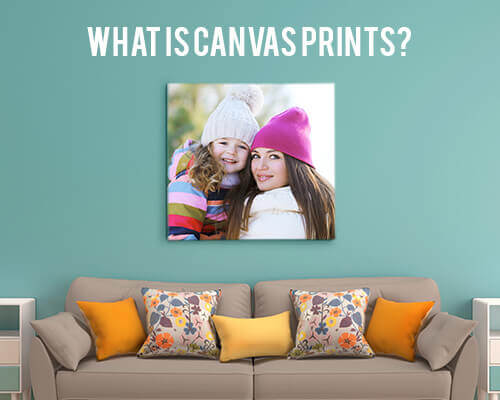
A stretched canvas consists of printed or painted fabric secured tightly over a wooden frame called stretcher bars. The canvas wraps around the edges, creating a three-dimensional object typically 0.75 to 1.5 inches deep. This format is what most people picture when they think of canvas art: ready to hang directly on the wall without additional framing. The stretcher bars maintain tension across the fabric, keeping the surface taut and preventing sagging over time. Quality stretched canvas from providers like CanvasChamp uses kiln-dried wood that resists warping, ensuring your artwork maintains its shape for years.
The Nature of Rolled or Unstretched Canvas
Rolled canvas is simply the printed or painted fabric without any supporting structure. The material gets rolled around a cardboard or plastic tube for shipping and storage, keeping the printed surface protected on the inside. This format reduces the overall package dimensions dramatically, turning a 24x36-inch artwork from a bulky crate into a compact cylinder. The canvas remains flexible until it is stretched or framed, meaning the recipient handles the final mounting. Artists often prefer this format for shipping large pieces internationally, where dimensional weight pricing can make stretched canvas prohibitively expensive.
Comparative Pros and Cons for Artists and Collectors
Durability and Longevity Factors
Stretched canvas offers immediate structural protection. The wooden frame absorbs minor impacts, and the tension prevents the canvas from folding or creasing during normal handling. Once hung, a stretched canvas resists damage from environmental factors like humidity fluctuations. Rolled canvas is vulnerable during unrolling and stretching, when improper handling can cause permanent creases or cracks in the paint layer. Long-term storage in rolled form also carries risks: canvas stored too tightly or in poor conditions can develop memory issues, making it difficult to stretch flat later.
Display Readiness and Aesthetic Impact
The convenience gap between formats is substantial. Stretched canvas goes from box to wall in minutes. Rolled canvas requires either professional stretching services or DIY skills, plus the purchase of stretcher bars and tools. Aesthetically, gallery-wrapped stretched canvas creates a modern, frameless look that works well in contemporary spaces. The visible edges become part of the presentation. Rolled canvas offers greater flexibility: you can choose traditional framing, custom stretcher-bar depths, or mounting styles that weren't available when the piece was created.
Storage and Space Management
For collectors with multiple pieces or artists managing inventory, storage becomes a serious consideration. Rolled canvas wins decisively here. A dozen large rolled canvases fit in a closet; the same pieces stretched would require dedicated storage racks. Climate-controlled storage costs scale with square footage, making rolled canvas significantly cheaper to store long-term. The trade-off is accessibility: pulling a rolled canvas from storage and stretching it for display requires planning, whereas stretched pieces can be hung on your walls immediately.
Shipping Logistics and Cost Analysis
Dimensional Weight and Courier Pricing
Shipping costs reveal the starkest difference between formats. Couriers calculate prices using either actual weight or dimensional weight, whichever is greater. Dimensional weight multiplies the package length, width, and height, then divides by a factor (typically 139 for domestic air shipments and 166 for international shipments). A 24x36-inch stretched canvas in protective packaging might measure 28x40x4 inches, yielding a dimensional weight of 32 pounds, even though the actual package weighs under 10 pounds. The same canvas rolled ships in a tube measuring 6x6x28 inches, with a dimensional weight under 8 pounds. This difference can mean $50- $150 in savings on a single shipment.
Packaging Requirements for Protection
Stretched canvas demands robust packaging: corner protectors, cardboard backing, and, for valuable pieces, custom boxes or crates. The frame's rigid edges are vulnerable to crushing, and the canvas surface needs protection from punctures. Rolled canvas requires a sturdy tube, end caps, and interior padding. The packaging materials cost less and weigh less. For artists shipping regularly, the cumulative savings on packaging supplies add up quickly. CanvasChamp's custom canvas prints ship with professional packaging designed for each format, eliminating guesswork about protection.
International vs. Domestic Shipping Feasibility
International shipping amplifies every cost difference. Customs duties are often calculated on the package value plus shipping, meaning higher shipping costs increase duty payments. Large stretched canvases may require freight shipping rather than standard courier services, adding complexity and expense. Rolled canvas frequently qualifies for standard international mail or courier rates, making overseas sales and purchases more practical. For artists selling globally, offering rolled canvas can open markets that would be unprofitable with stretched-only options.
Hidden Costs: Re-stretching and Framing
Professional Re-stretching Service Fees
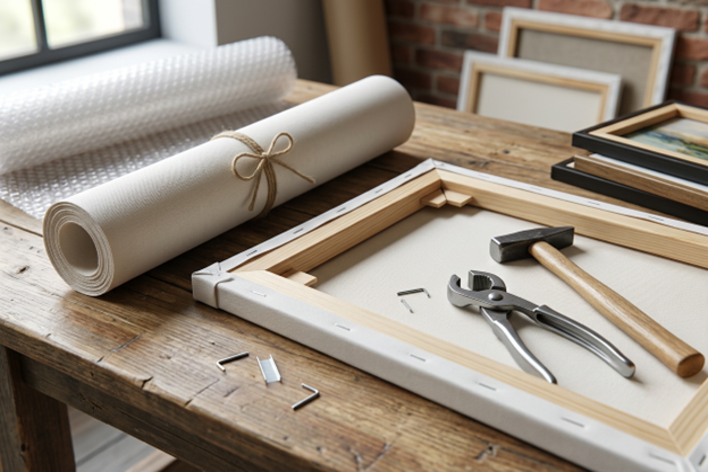
The price tag on rolled canvas looks attractive until you factor in stretching costs. Professional re-stretching services typically charge $50–$200, depending on size, location, and turnaround time. Custom stretcher bars add $20- $60 for standard sizes; more for unusual dimensions. If you're ordering multiple pieces, these costs multiply quickly. DIY stretching requires an initial investment in tools: a stretcher bar, pliers, a staple gun, and a work surface. The learning curve is real: your first attempts may produce uneven tension or crooked mounting.
The Risk of Paint Cracking During Unrolling
Original paintings on canvas face particular risks when rolled. Oil and acrylic paints become less flexible as they cure, and older works can crack when unrolled after storage. This risk increases with thick impasto techniques, cold storage conditions, and extended time in rolled form. Prints on canvas are more forgiving, as the ink layer is typically thinner and more flexible. Still, any rolled canvas benefits from gradual unrolling: leave the piece loosely rolled for 12–24 hours.
Frequently Asked Questions
How long can a canvas stay rolled without damage?
Quality canvas prints can remain rolled for several months without issues if stored properly. Keep the tube in a climate-controlled environment away from extreme temperatures and humidity. Original paintings should be stretched sooner, ideally within one to two months.
Can I stretch a rolled canvas myself?
Yes, with basic tools and patience. You'll need stretcher bars, a staple gun, and canvas pliers. Online tutorials cover the technique, though your first attempt may take an hour or more. Practice on inexpensive prints before tackling valuable artwork.
Does rolled canvas cost less to produce?
Production costs are similar, but the savings come from shipping and packaging. Some vendors pass these savings along; others price both formats equally. Compare total delivered costs rather than base prices.
Will rolled canvas have visible creases after stretching?
Properly rolled canvas, stored print-side-in, typically stretches flat without visible creases. Allow the canvas to acclimate at room temperature before stretching. Minor waves usually disappear once tension is applied to the stretcher bars.
room temperature before attempting to stretch, allowing the material to relax naturally.
Choosing the Right Option for Your Project
Your decision ultimately depends on weighing immediate convenience against cost savings and flexibility. Stretched canvas makes sense when you want display-ready artwork, when shipping distances are short, or when the piece is a gift that should require no additional work from the recipient. Rolled canvas is the practical choice for international shipping, bulk orders, long-term storage, or situations where custom framing is planned anyway.
Consider the full cost picture: a rolled canvas that saves $80 in shipping but costs $100 to stretch locally isn't actually saving money. Conversely, paying premium shipping for stretched canvas when you planned to reframe it anyway wastes resources.
For those seeking quality canvas prints with flexible shipping options, CanvasChamp offers both formats at competitive prices and a lowest-price guarantee. Their 95%-off canvas print promotions make high-quality custom artwork accessible, whether you prefer the convenience of a stretched canvas or the cost-effectiveness of a rolled canvas.