Free Shipping
 Extra Savings


Metal Print Vs. Canvas Print: Sleek, Durable, and Modern
Listen to Content
The Evolution of Modern Wall Art: Why Choose Metal?
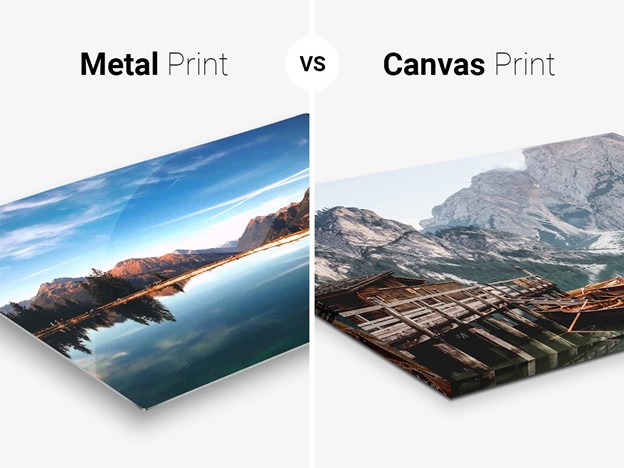
Traditional framed prints and stretched canvas have dominated home décor for decades, but a shift toward sleeker, more resilient display options has changed how people showcase their favorite images. Metal Print Vs. Canvas Print offer something different: a contemporary aesthetic paired with industrial-grade durability that standard paper and fabric simply cannot match. The aluminum surface creates depth and luminosity that transforms ordinary photographs into gallery-worthy pieces.
This combination of form and function explains why interior designers and photography enthusiasts increasingly favor metal as their medium of choice. The material's ability to render colors with striking vibrancy while resisting environmental damage makes it ideal for both residential and commercial spaces. When you want wall art that looks modern, lasts for years, and requires minimal maintenance, aluminum prints deliver on every front.
The Aesthetic Appeal of Aluminum Surfaces
Aluminum creates a unique visual experience that sets it apart from every other print medium. Light interacts with the metallic substrate in ways that give images a remarkable depth, almost a three-dimensional quality. Whites appear brighter, blacks deeper, and colors more saturated than on traditional materials.
The surface itself becomes part of the artwork. Depending on the finish you select, the metal can add a subtle texture or a mirror-like reflection that changes as you move around the room. Photographers particularly appreciate how this medium handles high-contrast images, preserving detail in shadows and highlights that would be lost on paper.
Industrial Minimalism in Interior Design
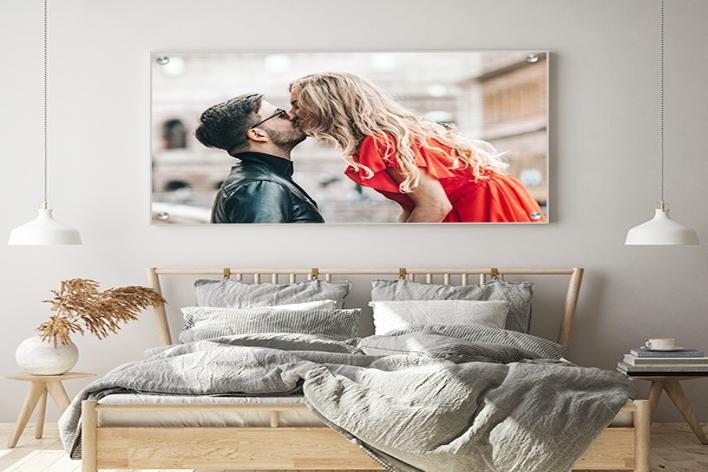
The clean lines and frameless presentation of metal prints align perfectly with contemporary design trends. Minimalist interiors benefit from artwork that makes a statement without adding visual clutter. These prints mount directly to walls with hidden hardware, creating the appearance of floating art that feels both intentional and effortless.
Architects and designers specify metal prints for modern spaces because the material complements concrete, glass, and steel elements common in contemporary construction. The industrial origin of aluminum resonates with exposed-brick lofts, converted warehouse spaces, and sleek urban apartments where traditional ornate frames would feel out of place.
Engineered for Longevity and Resilience
The practical advantages of metal prints extend far beyond aesthetics. Aluminum substrates resist damage that would ruin canvas or paper prints within months under similar conditions. This durability makes metal an investment rather than a temporary decoration.
Scratch, Fade, and Moisture Resistance
High-quality metal prints feature dye-sublimation printing, a process that infuses ink directly into a specialized coating on the aluminum surface. Unlike surface-level printing methods, this technique bonds color molecules to the metal itself, creating fade resistance that lasts for several decades under normal indoor lighting and even in direct sunlight.
The protective coating also repels moisture, making metal prints suitable for bathrooms, kitchens, and covered outdoor areas where humidity would warp canvas or cause paper to buckle. Scratches that would devastate a traditional print barely register on properly finished aluminum. This resilience means your investment looks pristine year after year without special handling or climate-controlled environments.
Comparing Metal to Traditional Canvas and Paper
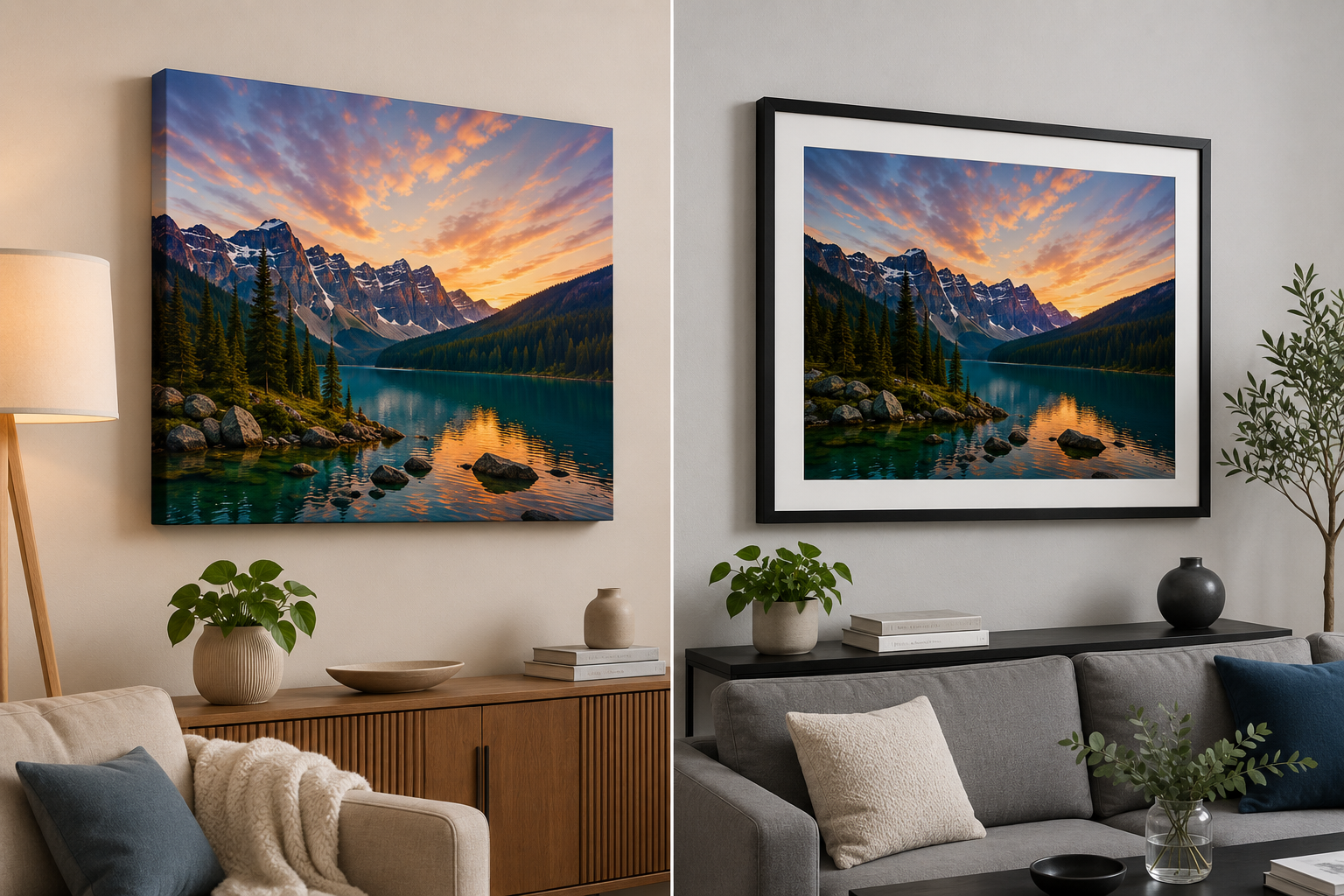
Canvas prints remain popular for their classic gallery appearance, but the fabric surface collects dust, absorbs odors, and degrades when exposed to moisture. Paper prints require glass protection, which adds weight and can cause glare that obscures the image.
Metal eliminates these compromises. The smooth surface wipes clean with a soft cloth, requires no protective glass, and weighs significantly less than framed alternatives. A 24x36 inch metal print typically weighs under five pounds, while a comparably sized framed canvas might weigh around twice as much. This weight advantage simplifies hanging and reduces the hardware required to secure artwork safely.
Professional Finishes and Display Options
Customization options for metal prints have expanded significantly, allowing precise control over the final appearance. The finish you choose dramatically affects how your image appears in different lighting conditions.
Glossy vs. Brushed Metal Textures
Glossy finishes maximize color saturation and create the most dramatic visual impact. The reflective surface intensifies blues, reds, and greens while making whites appear to glow. This finish works exceptionally well for vibrant photography, abstract art, and images with bold color palettes.
Brushed metal finishes offer a subtler effect. The textured surface diffuses light, reducing glare while adding an artistic quality that works beautifully with black-and-white photography and muted color schemes. Portrait photographers often prefer brushed finishes because the texture adds warmth without competing with the subject. CanvasChamp offers both finish options across their metal print sizes, letting you match the medium to your specific image.
Mounting Systems for a Floating Effect
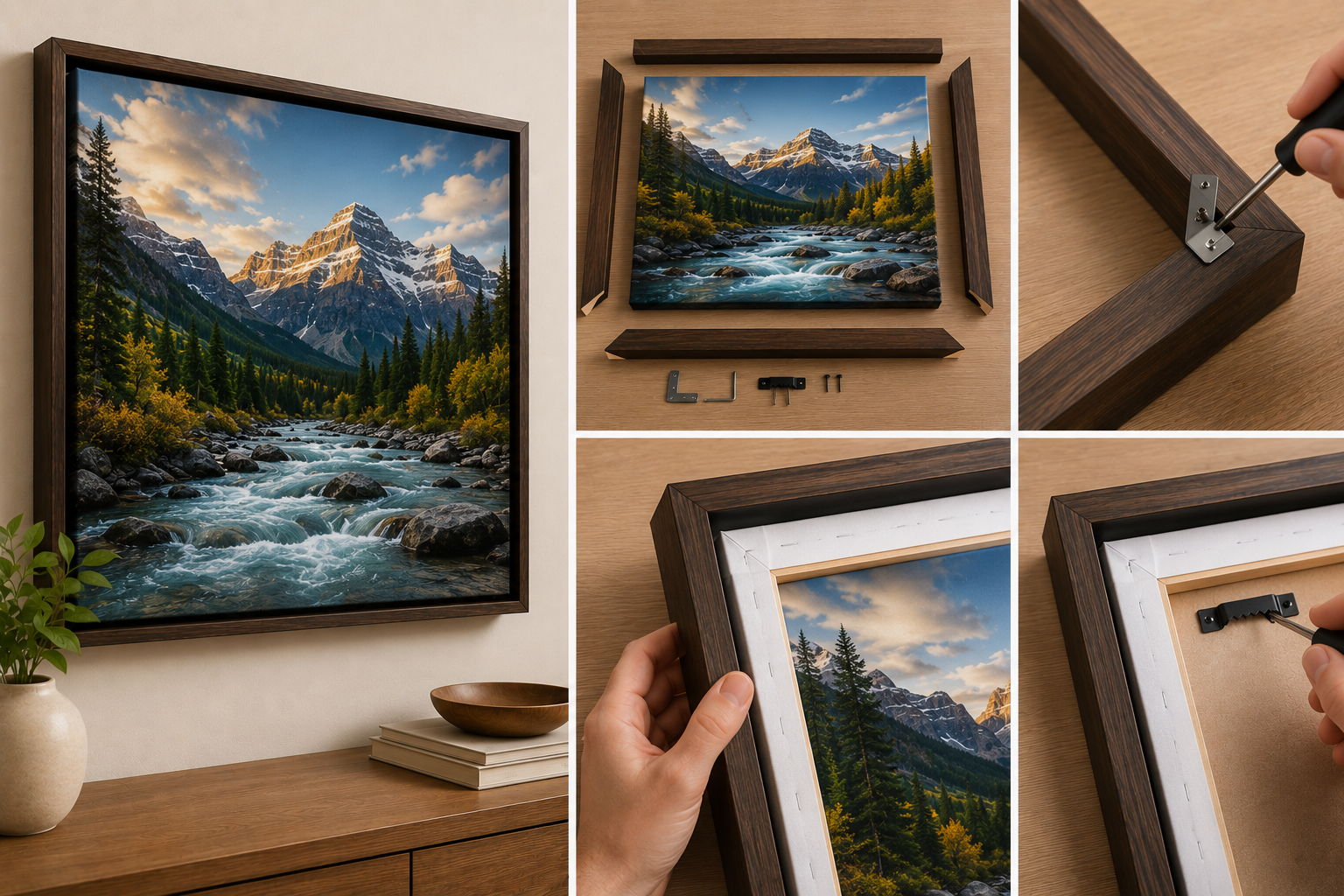
The mounting hardware determines how your metal print interacts with the wall. Float mounts, which attach to the back of the print and hold it approximately half an inch from the surface, create the signature floating appearance that defines modern metal displays.
This gap between print and wall produces subtle shadows that add dimension and visual interest. Some mounting systems allow slight angles, letting you tilt prints to reduce glare from overhead lighting. Professional-grade mounting hardware distributes weight evenly, ensuring secure installation that handles the occasional bump without shifting.
Ideal Applications for High-Definition Metal Prints
Certain images and environments benefit more from metal than others. Understanding these ideal use cases helps you make informed decisions about when aluminum truly outperforms alternatives.
Vibrant Photography and Landscape Art
Nature photography translates exceptionally well to metal surfaces. Sunset images gain intensity, ocean scenes develop remarkable depth, and forest photographs reveal details that disappear on paper. The medium particularly excels with images featuring strong contrast and saturated colors.
Wildlife photographers appreciate how metal renders fine details in fur, feathers, and scales. Macro photography of flowers, insects, and textures appears almost hyper-realistic on glossy aluminum. If your image features bold colors and sharp details, metal will likely enhance rather than flatten those qualities.
Corporate Spaces and High-Traffic Commercial Areas
Offices, restaurants, hotels, and retail environments present challenges that make metal prints a practical choice. High-traffic areas mean artwork faces constant exposure to hands, cleaning products, and environmental contaminants. Metal withstands this abuse without showing wear.
CanvasChamp offers metal prints for lobbies, conference rooms, and common areas where professional appearance matters. The material's durability reduces replacement costs while maintaining a polished look that reflects well on the business.
Maintenance and Care for Lasting Brilliance
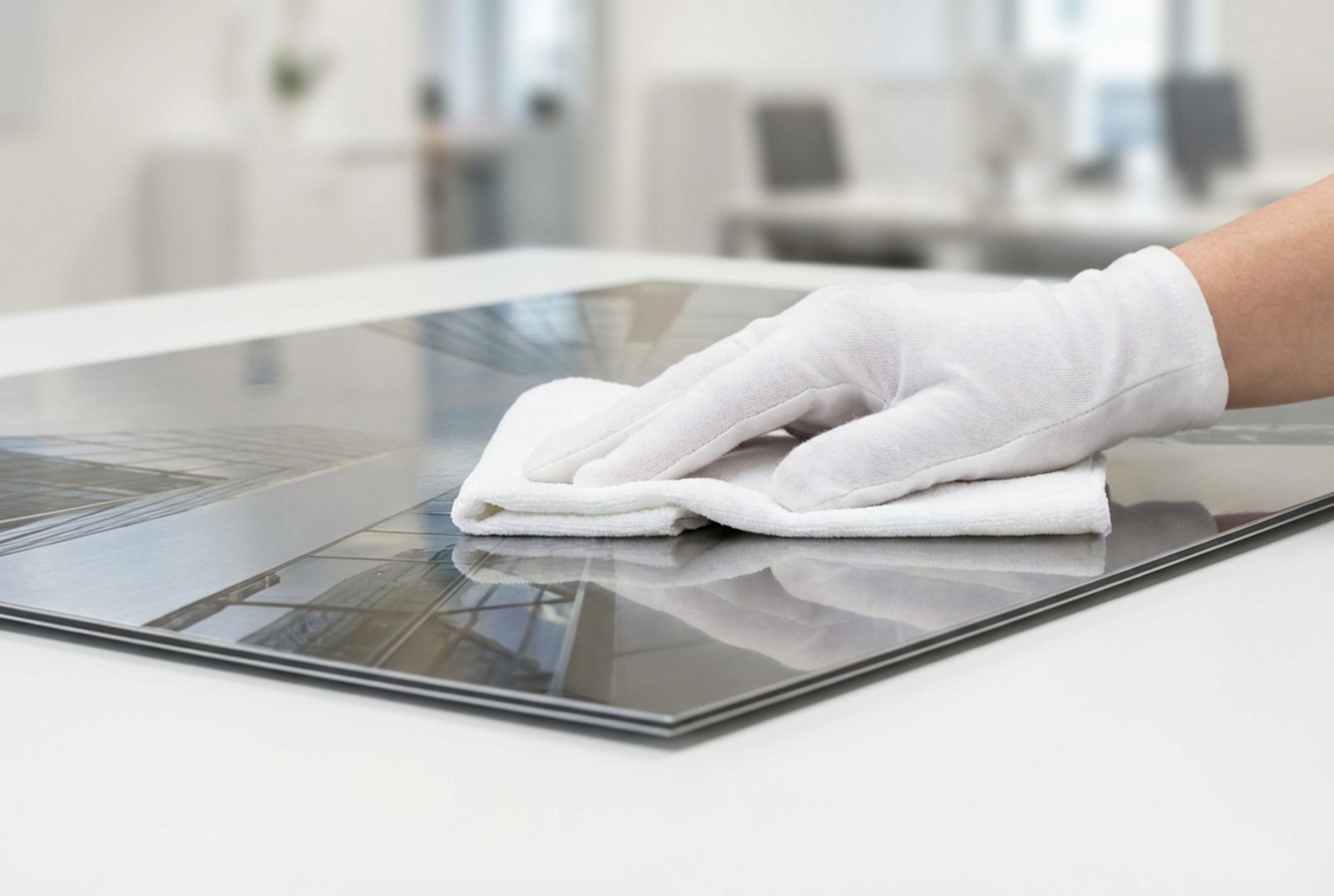
Keeping metal prints looking their best requires minimal effort. Unlike canvas, which needs careful dusting and occasional professional cleaning, aluminum surfaces clean easily with household materials.
Use a soft microfiber cloth slightly dampened with water for routine cleaning. For stubborn marks, a small amount of ammonia-free glass cleaner on a cloth, not directly on the print, removes fingerprints and smudges without damaging the surface. Avoid abrasive materials, harsh chemicals, and excessive moisture near the edges where water could potentially seep behind the print.
Proper placement also extends the life of your artwork. While metal resists fading better than other materials, avoiding direct sunlight on glossy finishes prevents potential heat buildup that could affect mounting adhesives over time.
Frequently Asked Questions
How long do metal prints typically last?
Quality dye-sublimation metal prints retain their color and clarity for approximately 40–60 years indoors, depending on environmental factors such as light exposure and humidity. The infused printing process creates permanent bonds that resist fading far longer than traditional printing methods.
Can metal prints hang in bathrooms or outdoor covered areas?
Yes. The moisture-resistant surface handles humidity well, making metal ideal for bathrooms, covered patios, and pool houses. Avoid prolonged direct rain exposure or extreme temperature fluctuations; covered outdoor areas pose no problem.
What image resolution works best for metal prints?
Aim for at least 150 DPI at your desired print size. Higher resolution files, around 300 DPI, produce the sharpest results, especially for larger prints where viewers stand close enough to examine fine details.
Are metal prints difficult to hang?
Most metal prints come with pre-installed mounting hardware that makes hanging straightforward. A single nail or screw typically supports prints up to 24 inches, while larger pieces may require two mounting points or wall anchors for added stability.
Transform Your Space with Lasting Artwork
Metal prints represent a meaningful upgrade from traditional display options, combining striking visual impact with practical durability that justifies the investment. The right image printed on quality aluminum becomes a permanent feature of your space rather than a temporary decoration.
Ready to see the difference for yourself? CanvasChamp offers premium metal prints at competitive prices, with extensive size options and finish choices to match any vision. Explore their collection to transform your favorite photographs into sleek, durable wall art that makes every room feel intentionally designed.