Free Shipping
 Extra Savings


Canvas Print Buying Guide: 7 Things to Check Before Ordering
Listen to Content
Turning a personal photo into wall art sounds simple: upload an image, select a size, and place the order. Yet the finished result can vary greatly depending on the printer, materials, sizing tools, and production standards.
Before buying canvas prints online, look beyond the promotional image and starting price. A reliable provider should explain how the image will be printed, wrapped, framed, protected, and delivered. These seven checks will help you compare canvas printing companies in the US and avoid common ordering mistakes.
1. Check the Image Quality Requirements
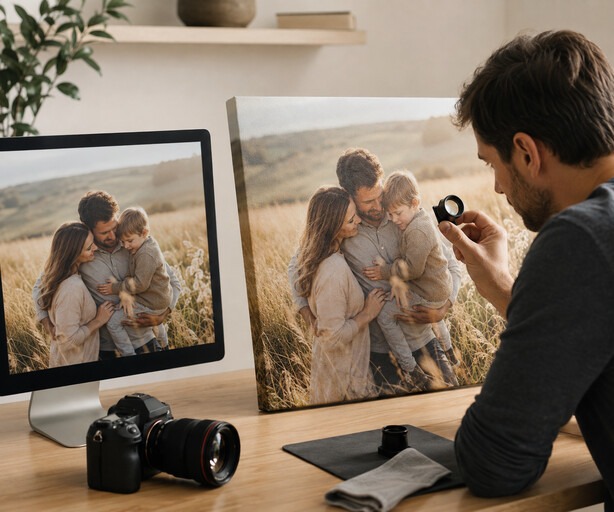
A canvas can only reproduce the detail contained in the uploaded photo. A small image downloaded from social media may look clear on a phone but become blurry when enlarged.
Before uploading, locate the original image from your phone, camera, or photographer. Avoid screenshots, compressed messaging-app files, and images saved repeatedly. Check the resolution rather than judging quality by file size alone.
A good ordering tool should warn you if the resolution is too low for the selected dimensions. Do not ignore that warning. Choose a smaller size or upload a higher-resolution version instead.
Image sharpness is not the only concern. Examine the photo at full size for motion blur, digital noise, harsh shadows, and accidental objects near the edges. These details often become more noticeable in print.
2. Compare the Canvas and Ink Specifications
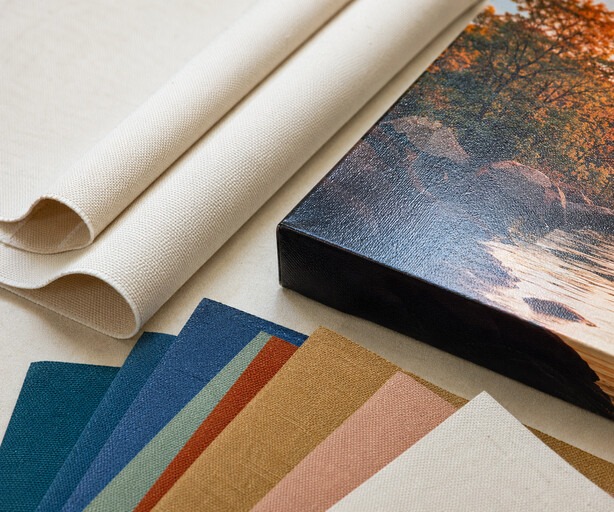
The material affects color, texture, and durability. Product descriptions should identify the canvas type and explain the printing process. Look for a surface that can hold detail without making the photograph appear muddy or overly textured.
Ask whether the company uses fade-resistant inks and whether a protective coating is available. A coating may help guard the image against dust, moisture, minor scratches, and exposure to indoor light. No printed product is completely immune to fading, so wall placement still matters.
The canvas prints you compare should also be intended for photo reproduction rather than general craft use. Product photographs can look similar online, but the canvas weave and ink application may differ.
If color accuracy is important, use a calibrated screen when editing. Phone displays often increase saturation and brightness, making the printed version seem darker than expected. Avoid excessive filters, especially on skin tones and detailed landscape photographs.
3. Review the Frame Construction
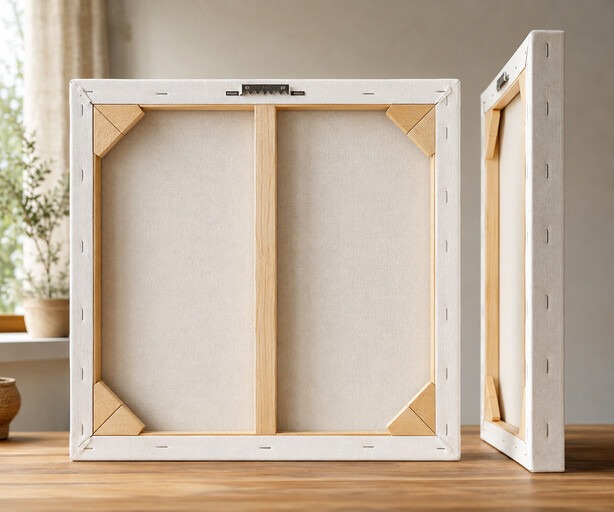
Most gallery-wrapped products are stretched around an internal wooden frame. The strength and depth of this frame affect how the artwork sits against the wall.
Check the stretcher-bar material, frame depth, and corner construction. A properly assembled frame should remain square and support even canvas tension. Larger pieces may need additional bracing to reduce the chance of bending or warping.
Frame depth also changes the visual effect. A slim profile feels subtle, whereas a deeper gallery wrap creates a stronger dimensional appearance. If you plan to add an outer floating frame, verify that it is compatible with the selected canvas depth.
Customers considering large canvas prints should pay close attention to support bars, finished weight, and hanging hardware. Oversized wall art needs a more substantial structure than a small tabletop piece.
4. Understand the Edge and Wrap Options
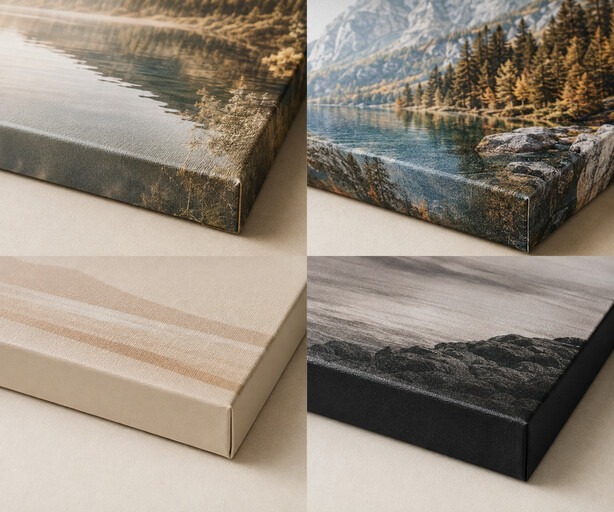
Part of the image wraps around the sides of a gallery-wrapped canvas. This can crop important details if faces, text, or objects sit too close to the edge.
Common wrap options include:
- Image wrap, which extends the photograph around the sides
- Mirror wrap, which reflects the outer part of the image
- Color wrap, which uses a solid color on the edges
- White or black edges for a simple finish
Image wrap can look seamless, but it uses part of the photograph on the sides. Mirror wrap keeps more of the original composition visible on the front. A solid-color edge works well when the image has little room for cropping.
Preview every side before you order canvas prints. Confirm that heads, hands, signatures, dates, and important background elements remain visible. If the preview looks crowded, add extra image space or select a different wrap style.
5. Check the Available Sizes and Cropping Tool
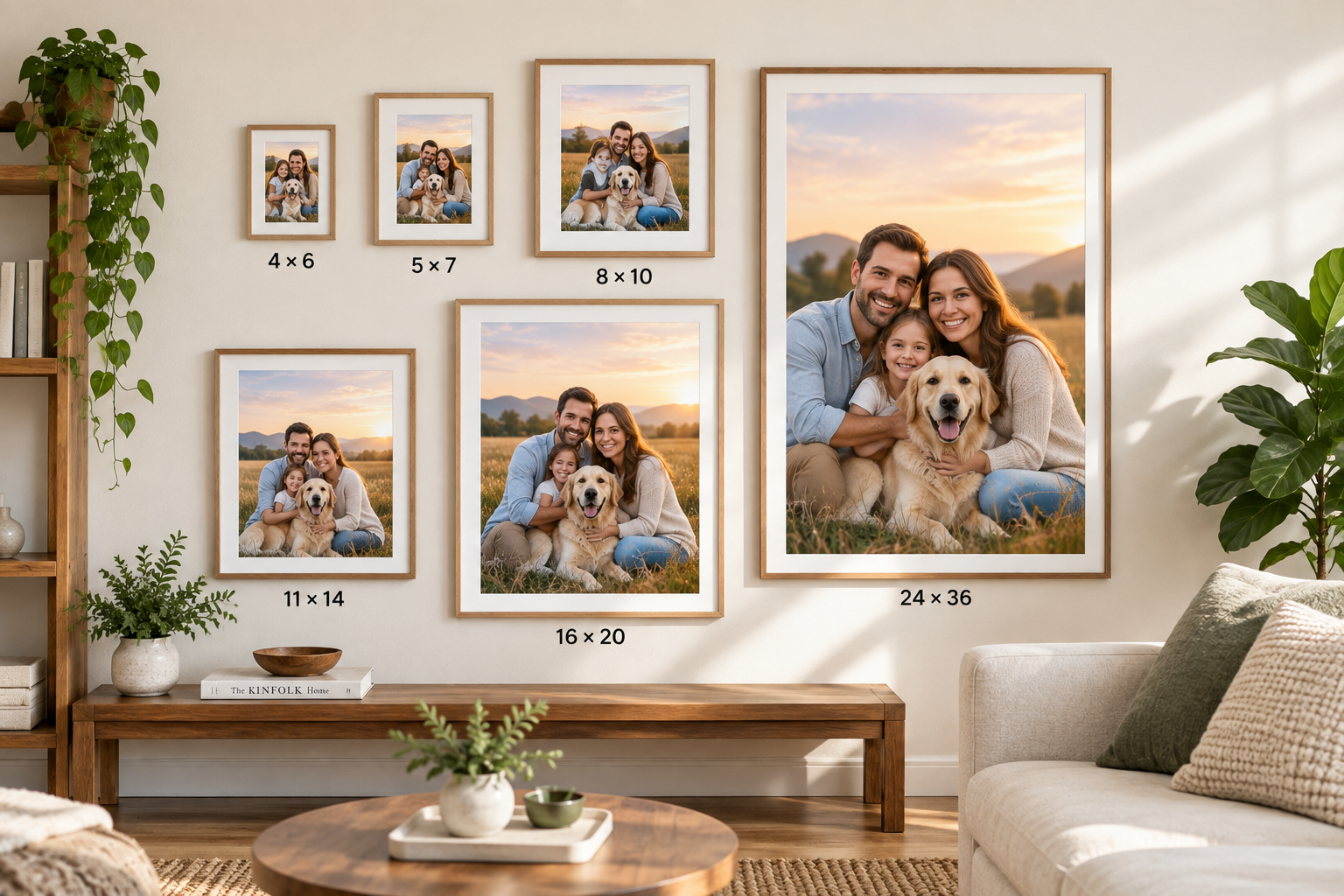
A photo’s aspect ratio determines which print sizes fit without significant cropping. For example, a wide landscape image may not fit a square format unless part of the scene is removed.
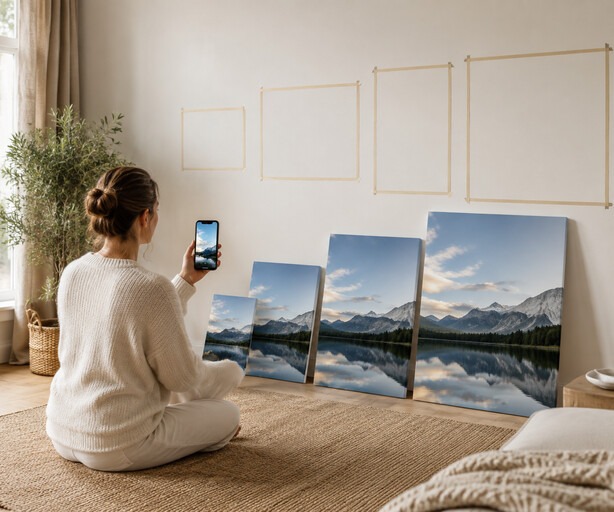
Use the company’s preview tool to test several dimensions. Do not select a size based only on the empty wall. First find a proportion that suits the photo, then decide how large it should be.
Measure the intended display area with a tape measure. Mark the proposed dimensions on the wall using removable painter’s tape. View the outline from the doorway and the main seating position. This simple test shows whether the piece will feel undersized or overpowering.
If you want to make your own canvas print from a phone photo, check the orientation before uploading. Portrait images usually suit narrow vertical sizes, and group photos often need wider horizontal formats. Square crops work best when the subject is near the center.
6. Compare the Full Price, Not the Advertised Discount
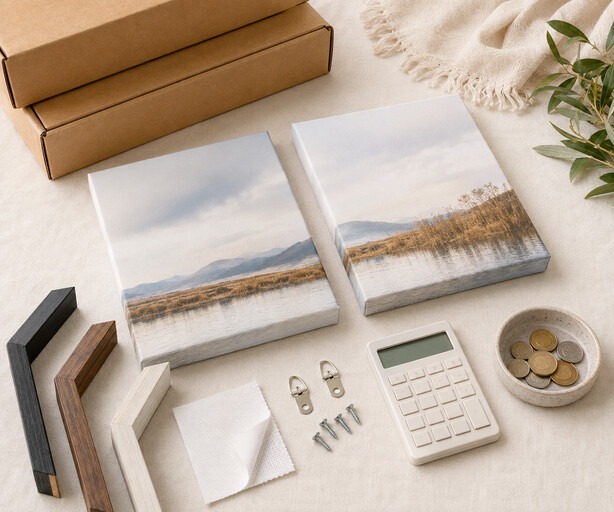
A large percentage discount does not automatically produce the lowest final price. Some sites advertise a small starting size, then add charges for larger dimensions, thicker frames, coatings, hanging hardware, or shipping.
When comparing cheap canvas prints, create the same product on each website. Use identical dimensions, wrap style, frame depth, finish, and delivery destination. Compare the final checkout totals before applying optional upgrades.
Also review:
- Shipping and handling charges
- Oversized-item fees
- Taxes
- Production time
- Rush-order charges
- Frame or finishing upgrades
- Hanging accessories
- Current promotion terms
Affordable printing can still provide a satisfactory result. The concern is whether the low price comes with unclear specifications, weak image checks, or limited customer support. The best value combines an acceptable final cost with reliable materials and transparent ordering information.
7. Read the Reprint, Return, and Damage Policies
Personalized photo products are made from customer-supplied files, so they may not qualify for ordinary change-of-mind returns. Read the company’s policy before completing the order.
Find out what happens if the product arrives damaged, the frame is warped, the image is printed incorrectly, or the order differs from the approved preview. Check how quickly a problem must be reported and what photographs or packaging evidence the company requires.
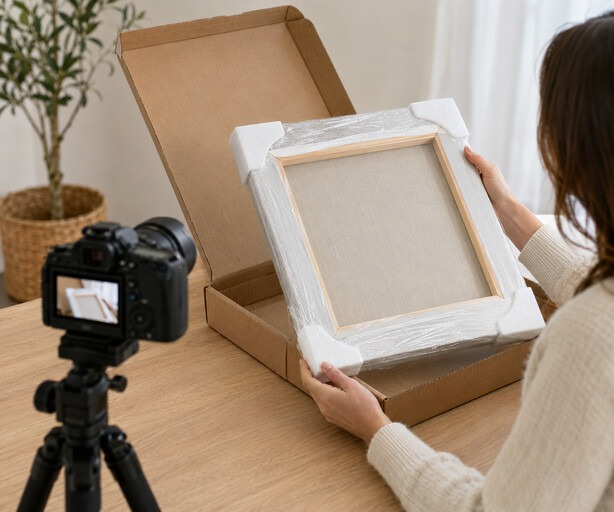
Delivery protection is especially important for oversized products. The box should protect the corners, canvas surface, and internal frame. Inspect the package when it arrives and photograph visible damage before opening it.
Keep the order confirmation, uploaded file, and final preview until you have checked the product. If you need support, these records show what was submitted and approved.
How to Choose the Right Canvas Printing Company
The best canvas prints online are not defined by one feature. The right provider should offer a clear image-quality warning, useful previews, stated material specifications, sensible customization choices, secure packaging, and accessible customer support.
Customer reviews can help, but read them carefully. Give more weight to recent reviews that mention print clarity, color accuracy, frame construction, packaging, and issue resolution. A generic five-star comment provides less useful information than a customer photograph showing the finished product.
If you are ordering custom canvas prints as a gift, leave extra time for production and delivery. Double-check the shipping address and avoid scheduling arrival on the final possible day. Personalization errors or carrier delays are easier to handle when the order is placed early.
Start with a high-resolution image, choose dimensions that match its proportions, and inspect the entire preview before checkout. Those steps will help you receive wall art that looks considered, fits the chosen space, and preserves the photograph without preventable cropping or quality loss.