Free Shipping
 Extra Savings


What Is a Floating Frame for Canvas? Why It’s a Game-Changer for Wall Art
Listen to Content
When decorating your home with canvas art, the frame you choose can make all the difference. One style that has gained popularity for its sleek and modern look is the floating frame. But what exactly is a floating frame for canvas, and why is it considered a game-changer for wall art? This article breaks down everything you need to know about floating frames and how they can elevate your personalized prints.
Canvas prints are a favorite way to showcase personal memories and creative designs. Adding a floating frame not only protects your artwork but also adds depth and style that traditional frames can’t match. Whether you’re decorating your living room or gifting a custom photo print, understanding floating frames helps you make a choice that fits your space and style.
From the materials used to the visual effect it creates, a floating frame offers a unique presentation that highlights the canvas itself. If you want your wall art to stand out with a professional finish, floating frames are worth considering. Let’s explore what makes them special and why they might be the perfect fit for your next canvas print.
What Is a Floating Frame for Canvas?
Definition and Basic Design
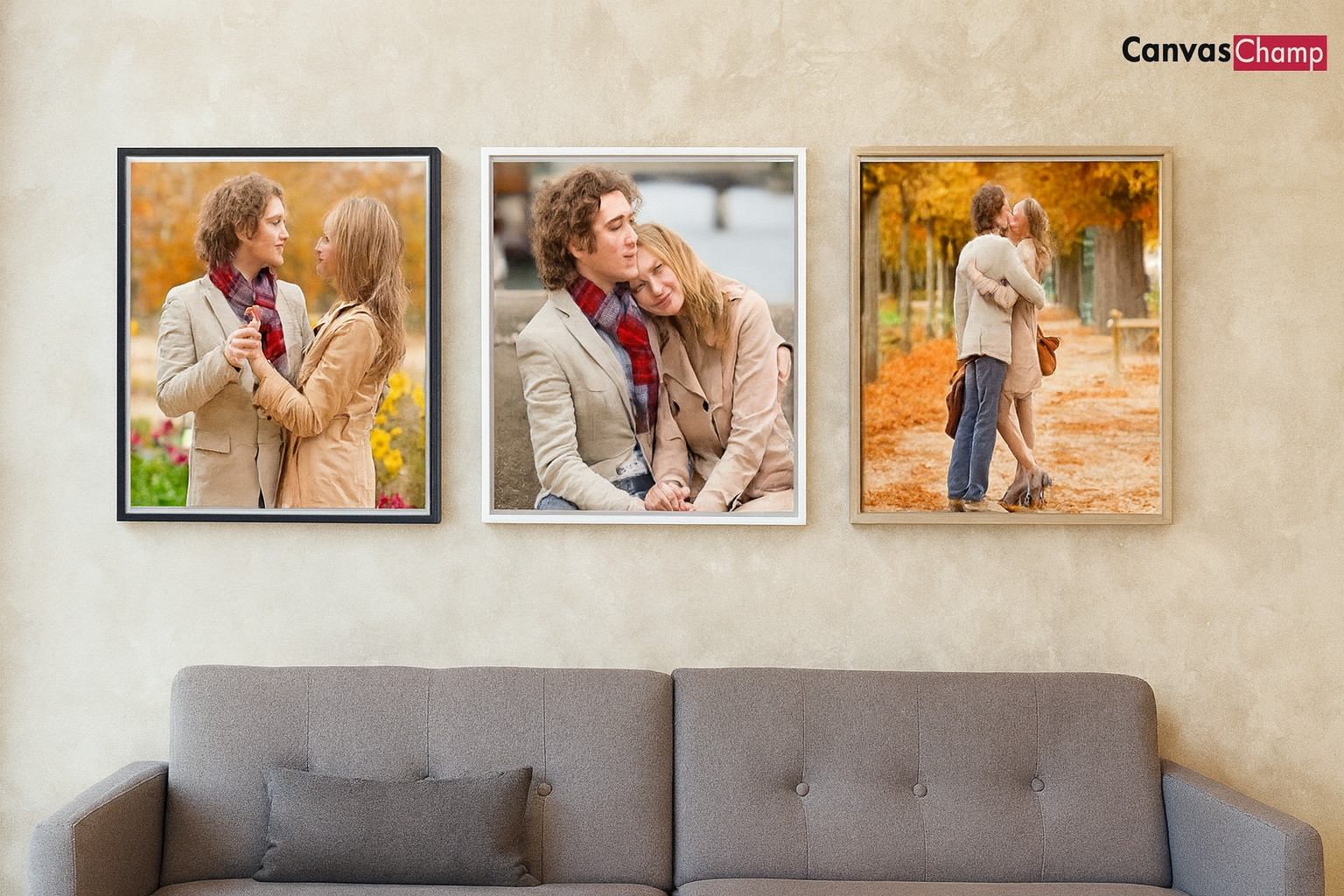
A floating frame is a type of frame designed to give the illusion that the canvas is "floating" within the frame without touching the edges. Unlike traditional frames that cover or overlap the canvas edges, a floating frame surrounds the canvas with a small gap, creating a sense of depth and separation from the wall. This design not only emphasizes the artwork but also allows for a clean and contemporary aesthetic that can complement various interior styles, from minimalist to eclectic.
In addition to enhancing the visual appeal of the artwork, the floating frame can also serve a practical purpose. Keeping the canvas slightly away from the wall can help to prevent moisture buildup and potential damage to the artwork over time. This is particularly beneficial in environments with fluctuating humidity levels, as it allows for better air circulation around the canvas.
How It Differs From Traditional Framing
Traditional frames usually hold the canvas by wrapping or overlapping the edges, which can sometimes hide parts of the artwork. Floating frames, on the other hand, leave the edges visible, allowing the entire canvas surface to be seen. This design enhances the artwork’s presence and gives a modern, gallery-style look. The floating frame can be an excellent choice for artists who want to showcase the texture of their work, as the edges of the canvas are fully displayed, revealing brush strokes and other details that might otherwise be obscured.
Another notable difference is the versatility in display options that floating frames provide. They can be hung in various orientations and are often designed for easy mounting, allowing for quick changes in arrangement or style. This flexibility makes them an appealing choice for those who frequently update their decor or want to create dynamic art displays in their homes or galleries.
Materials and Construction
Floating frames are typically made from wood or metal. They are constructed with a recessed rabbet, a groove that the canvas fits into, holding it securely while leaving space between the canvas edge and the frame. This small gap is what creates the "floating" effect. The choice of material can significantly impact the overall look and feel of the framed artwork; for instance, a sleek metal frame can lend a contemporary edge, while a rustic wooden frame can add warmth and character.
The construction quality of floating frames can vary widely, with some featuring intricate detailing or finishes that enhance their aesthetic appeal. High-quality frames may include additional features such as protective glass or acrylic fronts, which not only safeguard the artwork from dust and damage but also enhance the visual clarity of the piece. This attention to detail ensures that the artwork is not only beautifully presented but also well-protected for years to come.
Why Floating Frames Are a Game-Changer for Wall Art
Enhances Visual Appeal
Floating frames add a subtle yet striking visual dimension to canvas prints. The gap between the frame and canvas creates shadows and highlights that draw attention to the artwork. This effect is especially effective for personalized photos and art pieces, making them look professionally displayed.
Protects Your Canvas
Besides aesthetics, floating frames provide protection by keeping the canvas edges safe from damage. Since the frame doesn’t press directly on the canvas surface, it reduces the risk of dents, scratches, or warping over time.
Offers Versatility in Style
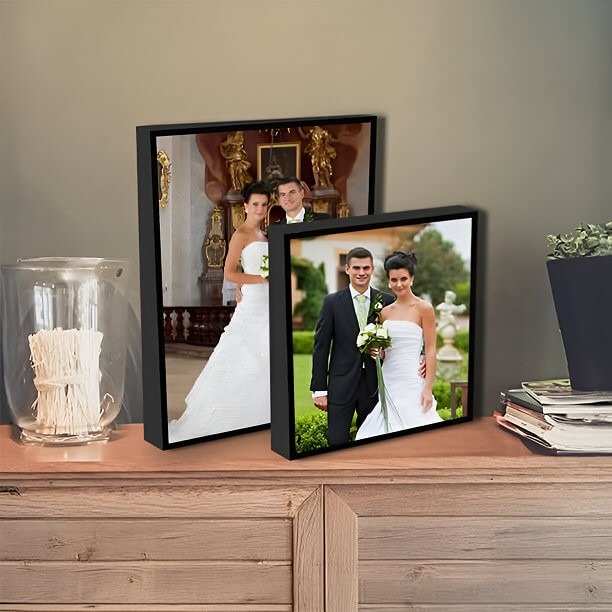
Floating frames come in various colors and finishes, from natural wood tones to sleek black or white metals. This variety allows you to match your frame to your home décor easily. Whether your style is minimalist, rustic, or contemporary, there’s a floating frame option that complements your canvas print.
Easy to Hang and Maintain
Most floating frames are designed for easy wall mounting, often including built-in hanging hardware. Their sturdy construction means less worry about the canvas sagging or loosening. Maintenance is simple too-just dust the frame and canvas occasionally to keep them looking fresh.
Choosing the Right Floating Frame for Your Canvas
Consider the Canvas Size and Thickness
Floating frames are available for various canvas sizes and thicknesses. When ordering a custom canvas print, like those offered by CanvasChamp, you can select a frame that perfectly fits your canvas dimensions. Thicker canvases often look best with wider floating frames to balance the proportions.
Match Frame Color With Your Space
Think about the room where the canvas will hang. A black or dark wood floating frame can add drama and contrast, while a light wood or white frame offers a softer, more subtle look. Matching the frame to existing furniture or wall colors helps create a cohesive design.
Customization Options Matter
Some printing services, including CanvasChamp, offer extensive customization options. You can choose not only the frame style but also the wrap type, border color, and even shaped canvases like circles or hearts. These choices let you tailor your canvas and frame to fit your unique taste and décor needs.
How to Care for Canvas Prints With Floating Frames
Keep Away From Direct Sunlight
To preserve the colors and materials, avoid placing your framed canvas in direct sunlight. UV-protected inks and quality materials help, but prolonged exposure can still cause fading over time.
Regular Dusting
Use a soft cloth or duster to gently clean the frame and canvas surface. Avoid harsh chemicals or water, which can damage the canvas or frame finish.
Handle With Care
When moving or cleaning your canvas print, hold it by the frame to avoid touching the canvas surface. This helps prevent smudges or accidental damage.
FAQs About Floating Frames for Canvas
Can I Add a Floating Frame to Any Canvas Print?
Most canvases can be fitted with floating frames, especially if they have a standard thickness. Custom printing services like CanvasChamp offer floating frame options during the ordering process, ensuring a perfect fit.
Do Floating Frames Increase the Cost of Canvas Prints?
Adding a floating frame may increase the price slightly due to the extra materials and craftsmanship involved. CanvasChamp provides affordable options starting at competitive prices, making it accessible for most budgets.
Are Floating Frames Durable?
Yes, floating frames are designed to be sturdy and long-lasting. High-quality materials and secure construction protect your canvas and keep it looking great for years.
How Does a Floating Frame Affect Wall Hanging?
Floating frames usually come with built-in hanging hardware, making them easy to mount. The frame’s design also adds a small gap between the canvas and wall, which can help with airflow and prevent moisture buildup.
Can I Use a Floating Frame for Non-Canvas Prints?
Floating frames are primarily designed for canvas prints because of their thickness and structure. For paper prints or thinner materials, traditional framing methods are usually better suited.
Elevate Your Wall Art With Floating Frames
Choosing a floating frame for your canvas print adds a modern, elegant touch that highlights your artwork beautifully. It protects your print while giving it a professional gallery feel that suits any home décor style. With customizable options and affordable pricing, floating frames are a smart choice for anyone looking to showcase their personal memories or creative designs.
If you want to explore floating frames and custom canvas prints, check out CanvasChamp’s wide selection. Their premium materials, fast production, and flexible design options make it easy to create stunning wall art that lasts a lifetime.